15 Things You Must Know Before Bringing Home a Havapoo Puppy
You clicked because you want the real scoop on Havapoo puppies, fast.
We have lived the bouncy curls, the matting battles, and the cuddle jackpot — and we will spare you the surprises.
Here are the 15 things that actually matter before you bring that fluffball home.
1. What A Havapoo Really Is
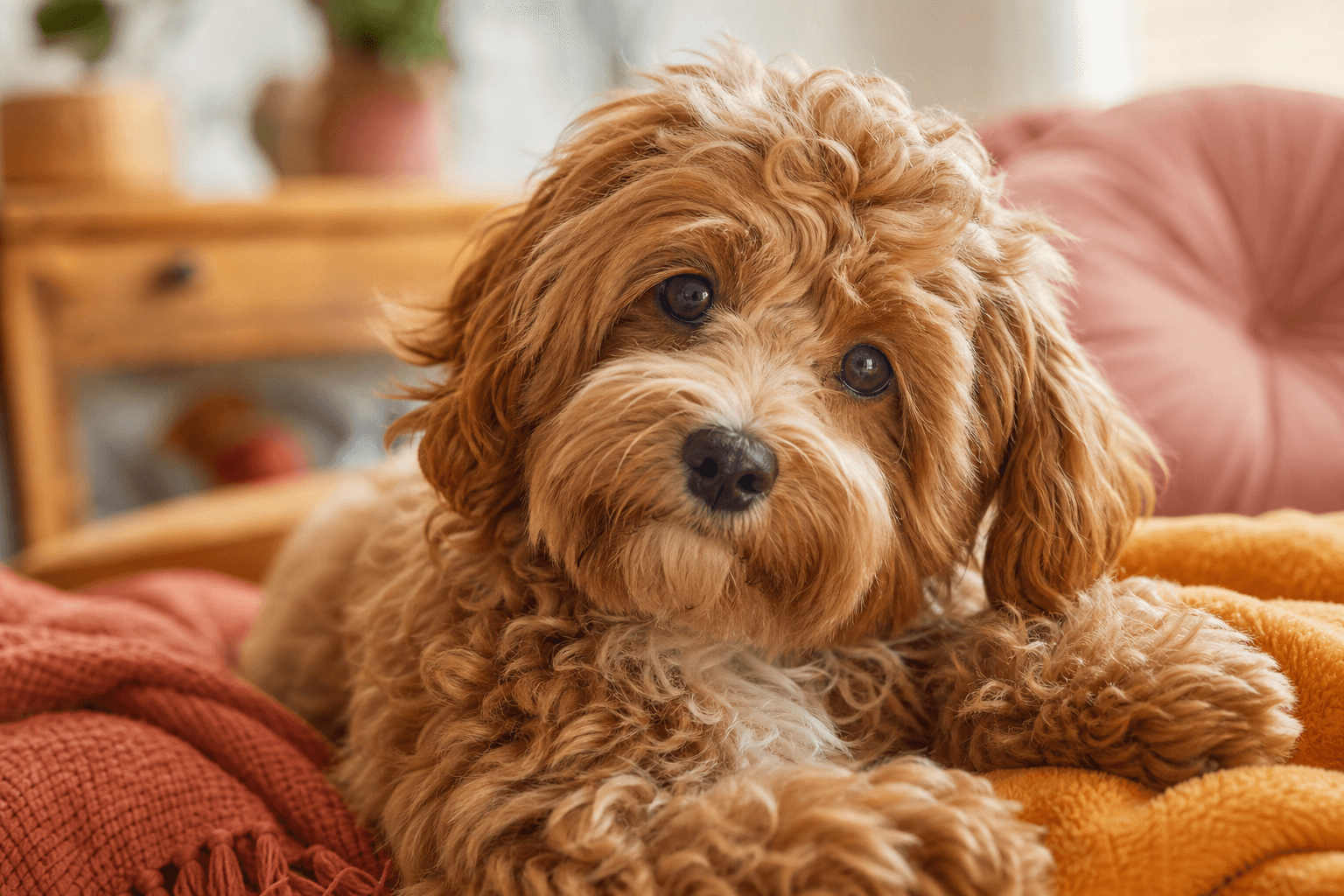
A Havapoo is a Havanese and Poodle cross, usually toy or miniature Poodle.
Expect a friendly, people-pleasing companion with quick smarts and a soft, often low-shedding coat — but not a guaranteed hypoallergenic dog.
2. Size And Growth
Most settle between 10 and 20 pounds, depending on the Poodle parent.
They grow fast in the first six months and reach near-adult height by 9 to 10 months, filling out until about a year.
3. Energy Needs
They are small, not sedentary.
Plan on roughly 45 to 60 minutes of total daily activity split into short walks, play bursts, and sniffing time.
4. The Coat Reality
Wavy to curly coats trap shed hair, so mats form quickly in friction zones like armpits, behind ears, and under the collar.
Brush several times a week and plan professional grooming every 6 to 10 weeks if you keep any length.
5. Grooming Tools You Will Use
Slicker brush
Lifts loose hair and teases apart surface tangles without yanking.
Steel comb
The truth-teller. If it will not pass to the skin, keep working.
Detangling spray
Adds slip so you prevent breakage and puppy fussing.
Blow dryer on cool/low
Dry fully after baths to avoid damp mats close to the skin.
6. Temperament
Sweet, social, and tuned into their people — that is the Havapoo charm.
They can be sensitive; harsh corrections shut them down, while upbeat guidance makes them shine.
7. Training Style That Works
Use short sessions, soft treats, and a cheerful marker word or clicker.
Focus early on name response, hand-targeting, sit, down, and a reliable come — all in your living room before the world gets distracting.
8. Socialization Window
The prime window is roughly 8 to 16 weeks.
Pair new sights, sounds, surfaces, gentle people, and calm dogs with treats and exits; curiosity now prevents fear later.
9. Housebreaking
Small breeds have small tanks.
Crate training, a tight potty schedule, and rewarding outside success work best. Expect night outings at first and watch for subtle pre-potty sniffing spirals.
Health and daily care you will be glad you knew ahead of time
10. Health Watchouts
Common small-dog concerns include luxating patella, dental crowding and tartar, ear infections in floppy or hairy canals, and allergies.
Ask about parental testing for patellas, eyes, and hips when possible, and learn a gentle ear-cleaning routine after baths.
11. Feeding A Small Puppy
Choose a complete, balanced puppy formula sized for small mouths.
Offer 3 to 4 small meals a day at first; steady intake helps prevent dips in blood sugar in tiny pups. Keep high-value chews soft to protect baby teeth.
12. Exercise That Tires The Brain
Rotate puzzle feeders, scatter-feed kibble in a snuffle mat, practice two-minute training sprints, and play hide-and-seek recalls down the hall.
Ten minutes of problem-solving beats a long, overstimulating walk for young joints.
13. Alone Time And Barking
Havapoos love their people and can protest separation if you do not teach it.
Start day one with micro-absences, white noise, a stuffed lick mat, and a camera to make sure they settle before you stretch the time.
14. Real-World Costs
Budget for quality food, initial vet visits and vaccines, spay or neuter, grooming every couple of months, training class, and a cushion for surprises.
Grooming plus dental care are the two recurring costs new Havapoo families underestimate.
15. Breeder Or Rescue
Good breeders welcome your questions, share health histories, and match energy levels; good rescues foster, temperament-test, and support you after adoption.
Whichever path you take, meet the pup, see how they recover from mild startles, and trust your gut on the humans you are working with.