15 Things You Must Know Before Bringing Home a Bouvier des Flandres Puppy
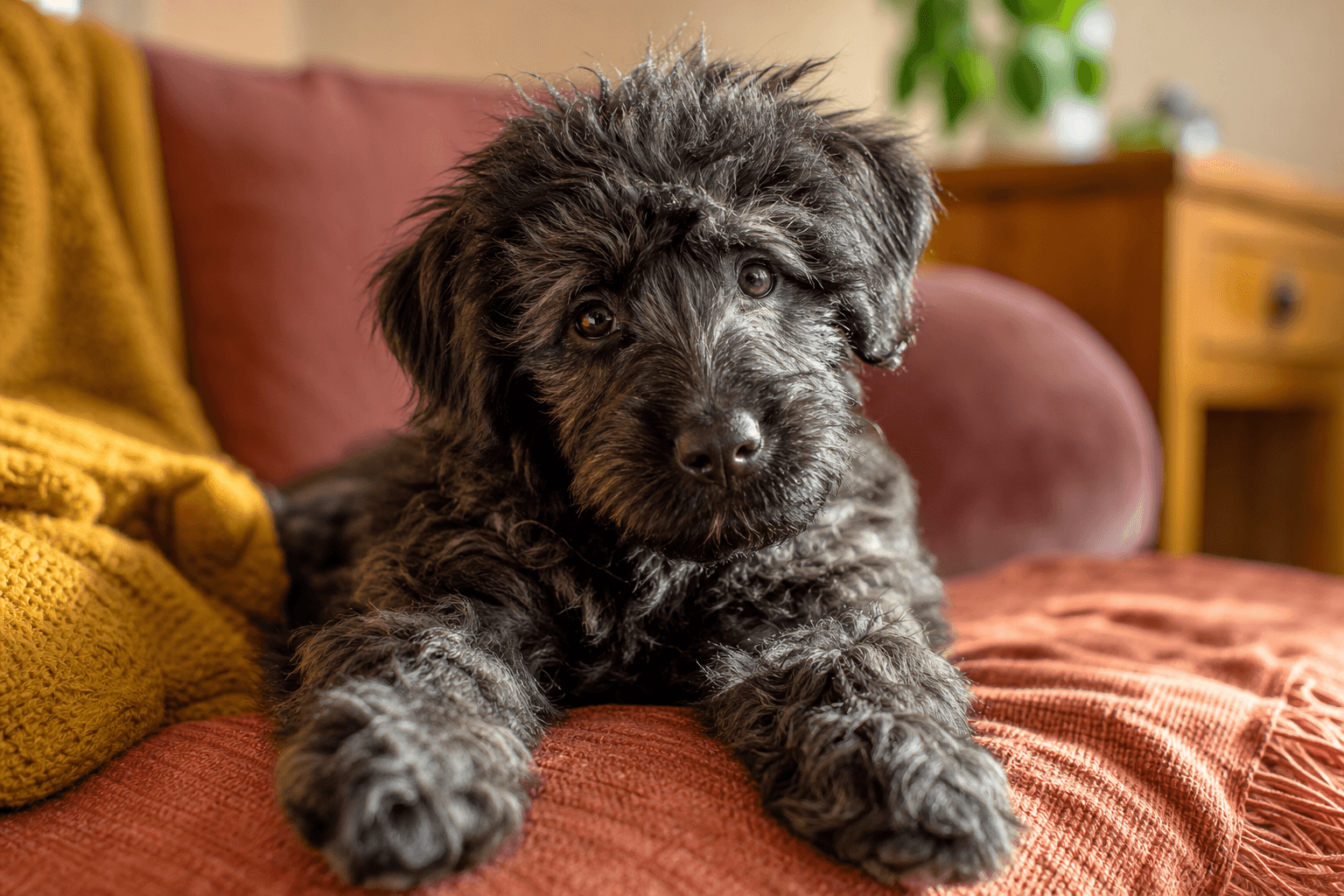
You love the shaggy bear look and steady vibe of the Bouvier des Flandres.
Good call — but this is a serious working breed in a fluffy suit.
Here are the exact things we wish we knew before bringing one home.
1. Size and Strength Reality
Bouviers are large, muscular herding dogs — adult males commonly reach 70 to 110 pounds, with females a bit lighter.
They grow fast but mature slowly in the head, so you will have a toddler-brain in a linebacker body for a while.
Leash manners and impulse control are not optional when your puppy can already pull you off balance.
2. Temperament: Steady, Aloof, Protective
Expect a calm, thoughtful companion at home, often reserved with strangers but deeply attached to family.
They are natural watchdogs with a serious presence; that steadiness blossoms with confident, fair leadership, not harshness.
3. Early Socialization Is Non-Negotiable
Because Bouviers can be aloof, you must invest early in positive exposures: people of all ages, surfaces, sounds, vet handling, and city life if that is your world.
Make it fun, brief, and frequent — your goal is a puppy who can relax in new places, not just tolerate them.
4. Exercise Needs Go Beyond Walks
Plan on 60 to 90 minutes a day split between brisk walks, short training bursts, and brain games like nosework or problem toys.
As a working breed, they shine when given a job — obedience, tracking, herding, or carting use their minds and bodies without over-arousing them.
5. Grooming: The Beard and the Coat
The wiry double coat sheds little onto floors but mats easily and traps debris.
Brush 2 to 3 times weekly, comb to the skin, and expect a professional groom every 6 to 8 weeks.
The beard collects water and food; keep a small towel by the bowl and plan quick wipe-downs after meals.
6. Hand-Stripping vs Clipping
Show coats are hand-stripped to maintain harsh texture, but most pet Bouviers are clipped shorter for practicality.
Clipping is fine for pets when done by a groomer who understands the breed outline; avoid shaving to the skin, which can disrupt coat function and leave them sun-sensitive.
7. Heat and Weather Considerations
These dogs are cold-tolerant but can overheat in warm, humid weather, especially in dark coats.
Exercise during cool hours, provide shade and water, and learn your dog’s heat stress signals.
8. Health Screening and Common Issues
Responsible breeders screen for hip and elbow dysplasia, inherited eye conditions, and thyroid disease.
Ask to see OFA or equivalent results and recent eye exam certificates; large-chested breeds may also face GDV risk, so discuss prevention with your vet.
9. Nutrition for Large-Breed Puppies
Use a large-breed puppy formula to support steady growth and protect developing joints.
Keep your Bouvier lean; you should feel ribs with light pressure and see a defined waist — extra weight magnifies orthopedic issues.
10. Safe Home and Yard Setup
A secure, tall fence (around six feet) helps contain a powerful, curious adolescent.
Inside, a 48-inch crate suits most adults and gives your puppy a safe place to settle; add chew-resistant gates and stash heavy cords and breakables.
Must-have gear
Front-clip harness, long line, sturdy 6-foot leash, puzzle feeders, slicker brush, metal comb.
Training priorities
Loose-leash, settle on a mat, drop it, leave it, recall, polite greetings.
11. Living With Kids and Other Pets
With thoughtful introductions and supervision, Bouviers can be wonderful with children — they are steady, but their size can bowl toddlers over.
They may try to herd running kids or other pets; teach calm behavior and give clear off-duty cues.
Many coexist well with household cats when raised together, but always manage early chases.
12. Barking and Neighbors
They are not yappy, but the alarm bark is deep and convincing.
Teach a quiet cue early and prevent boredom; a fulfilled Bouvier guards judiciously, an understimulated one narrates the neighborhood.
13. Travel and Lifestyle Fit
Road trips are easy with crate training and mat work; flights are tougher due to size.
They are Velcro dogs who want to be with you — if your schedule keeps you away for long stretches, plan a sitter, daycare, or structured midday break.
14. Cost of Ownership
Beyond food for a large dog, budget for grooming every 6 to 8 weeks, training classes, and pet insurance or a medical fund.
Big-dog gear, high-quality chews, and sturdy beds add up — buying right once often beats replacing flimsy stuff.
15. Finding an Ethical Breeder or Rescue
Look for breeders who prioritize health testing, stable temperaments, and lifetime support; they welcome your questions and ask many of their own.
Rescue groups and breed clubs can match you with adults who already have some training and known personalities.
Ready to decide if the Bouvier rhythm matches yours?