15 Things to Know Before Getting an Australian Cattle Dog
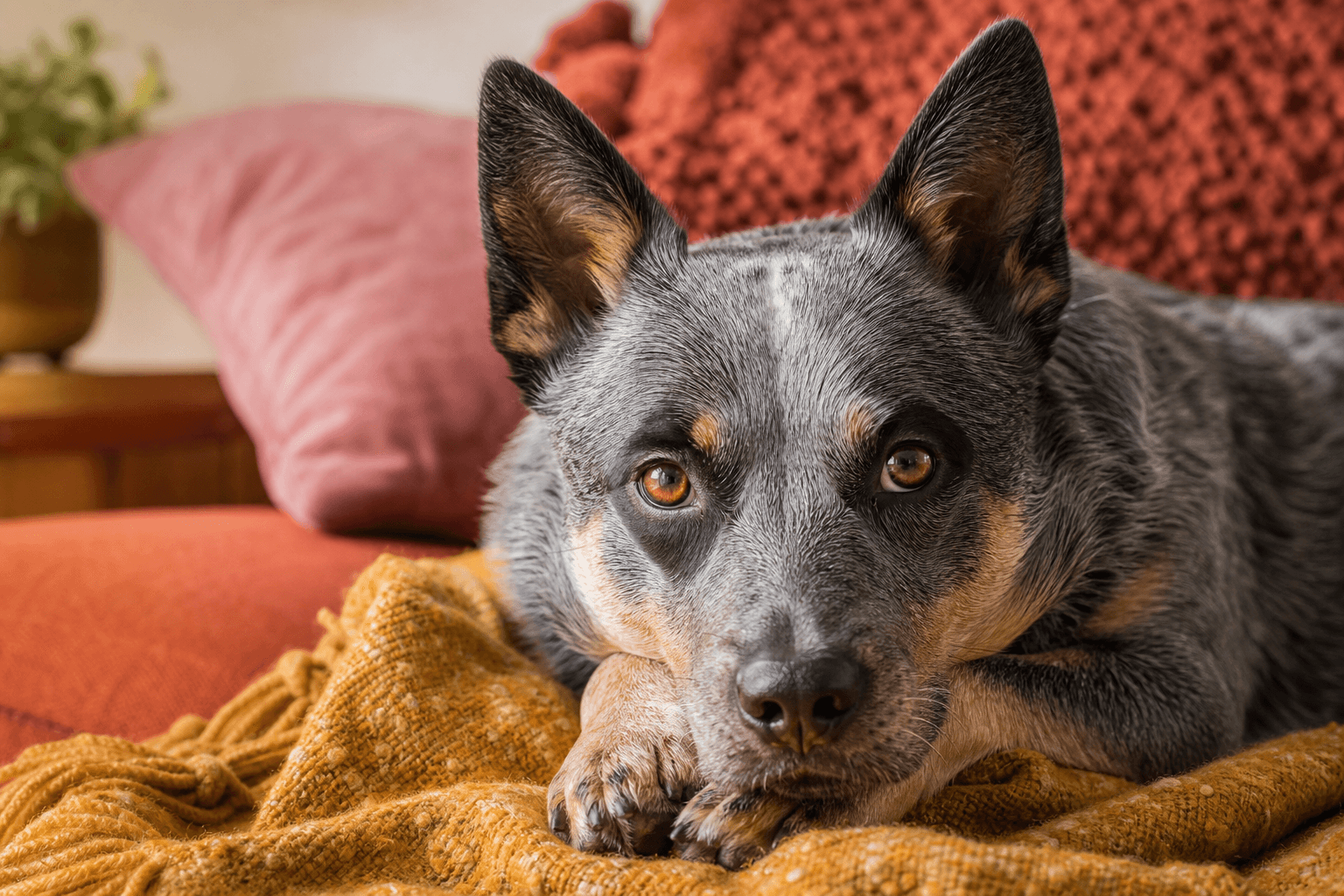
You love the idea of a brilliant, blue-speckled sidekick who can keep up with your busiest days.
Same. Australian Cattle Dogs are electric — and unforgettable — when they fit your life.
Here are the 15 things to know so your Heeler becomes your best decision, not your biggest project.
1. Daily Energy Is Non-Negotiable
These dogs were bred to trot all day behind cattle. A quick lap around the block will not touch their tank.
Plan for 90–120 minutes of real activity spread through the day — fast fetch, trail hikes, interval runs, sniffy walks that work the brain.
2. They Need a Job, Not Just Walks
An Australian Cattle Dog without a purpose will invent one — usually herding your kids, redecorating your drywall, or reorganizing your shoes.
Give structured jobs: carry a weighted backpack on walks (vet-approved), parkour over logs, scent games, or real herding lessons where available.
Movement + mission beats miles alone
3. Smart Means Strategic Training
They are problem-solvers. That can feel like stubbornness when your cues are unclear.
Keep sessions short, upbeat, and specific. Use markers, food, and toys. Rotate skills: impulse control, recalls, settle on mat, and cooperative care.
Teach a default “watch me”
Prevents scanning and over-focusing on motion.
Pattern games
1-2-3 treat walks and pivot games channel that sharp brain.
Release words matter
They hold positions beautifully if they know exactly when they’re done.
Generalize cues
Practice in new places weekly to avoid context lock.
4. Early Socialization Is Critical
Heelers can be naturally reserved with strangers and motion-sensitive.
From 8–16 weeks, pair new people, surfaces, sounds, bikes, skateboards, and livestock smells with food and play. Keep it under-threshold; quality beats quantity.
5. The Nipping Instinct Is Real
Heel nips move cattle. That instinct does not vanish in suburbia.
Redirect to tug toys, teach “take” and “drop,” and reinforce targeting your hand with a nose boop instead of teeth. Manage excitement at doorways and during play with kids.
6. Yard Helps, But Engagement Matters More
A big yard without you is just a place to practice fence-running.
Short, engaged sessions beat free-form zooms. Use the yard for recall sprints, platform games, and settle practice in the sun.
7. Not a Low-Key Apartment Dog
Apartment life can work if you are active and intentional.
Think dawn exercise, midday enrichment, and evening training. Without that, barking and demolition follow.
- Two purposeful outings daily
- Midday enrichment (sniff-mat, cardboard teardown)
- Expect quiet by default without work
8. Low Grooming, High Shedding
Short double coat, big seasonal sheds.
Weekly brushing most of the year; during coat blows, brush every other day and add omega-3s. Bathe when dirty; keep nails short for traction and joint health.
9. Health Watch: Hips, Hearing, Eyes
Reputable breeders health-test hips/elbows, BAER for hearing, and eye exams. Some dogs carry a risk for progressive retinal atrophy.
Keep them lean, build muscle gradually, and protect joints with smart surfaces and jump heights.
10. Velcro Dog With a Protective Streak
They bond hard to their people and may be watchful with strangers.
Teach a relaxed place cue when guests arrive and reward calm investigation. Clear routines reduce over-guarding.
11. With Kids: Manage the Herding
They can be wonderful with respectful kids, but fast movement is a trigger.
Supervise. Structure games where your dog wins by stillness: red-light/green-light, treat scatter after a sit, or a down-stay while kids roll a ball past.
12. Dog-Dog Dynamics Vary
Many do best with known dogs and clear rules. Rough play can amp arousal quickly.
Match with stable, communication-savvy dogs. Interrupt often for resets, and advocate if play styles clash.
13. They Shine in Sports and Jobs
Agility, rally, scent work, herding, bikejoring, parkour — this is their sweet spot.
Even a weekly class channels that drive and gives you a community that “gets” the breed.
Pros
Why people love them
- Brilliant and trainable
- Athletic partner for big adventures
- Deeply loyal and entertaining
- Generally easy coat care
Cons
What challenges people
- High daily exercise and mental work
- May nip or herd without training
- Reserved with strangers; can be vocal
- Shedding twice a year is intense
14. Your Lifestyle Is the Dealbreaker
If you love structure, movement, and teaching, an Australian Cattle Dog fits like a glove.
If you want a couch buddy that cruises on one walk, this is not your dog. That mismatch creates most surrender stories we see.
15. Puppy to Adult: The First 18 Months
8–12 weeks
Foundation
Socialization, name game, crate, potty, gentle handling, pattern walks.
3–6 months
Curious but nippy
Teething, impulse work, short fetch, recall games; manage motion triggers.
6–12 months
Teen turbo
Energy spikes; tighten routines, expand training in new places, avoid repetitive impact.
12–18 months
Power and polish
Muscle builds; add sports foundations, proof obedience, maintain calm defaults.
For active, coachable first-time owners willing to train daily — yes. For low-activity homes — usually no.
Personality varies by individual and lines more than sex. Meet parents and prioritize temperament over gender.
Space helps, but engagement matters more. You can succeed in an apartment with structure, or fail on acreage without it.
They are alert and vocal when under-stimulated. Satisfy needs and teach a cue to go to place when triggers appear.
Some do well with slow introductions and strong impulse control. Prey drive and motion sensitivity mean management is key.