15 Things to Know Before Getting an Appenzeller Sennenhund
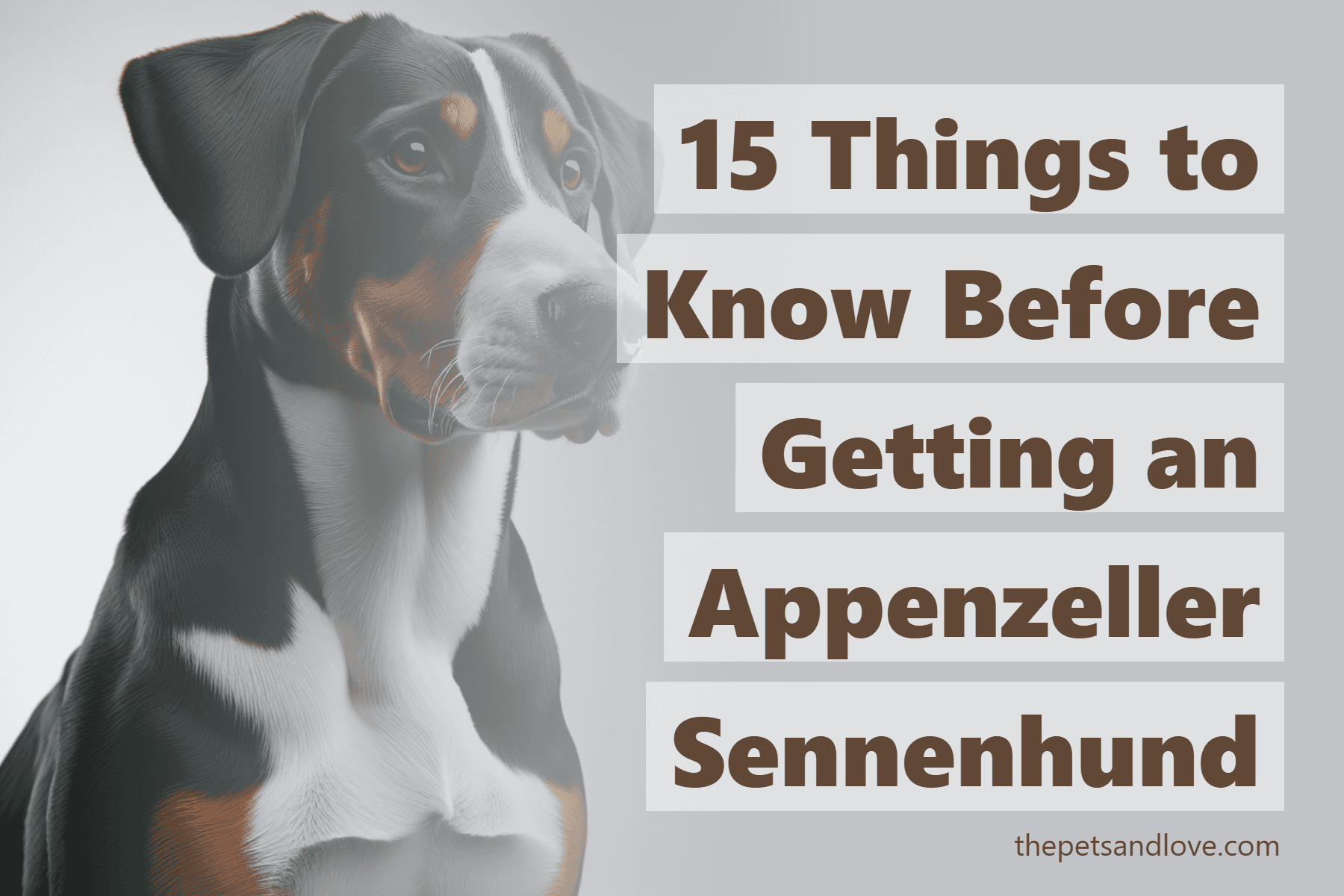
Thinking about adding an Appenzeller Sennenhund to your home? You're eyeing one of the most athletic, whip-smart working dogs in the world — and honestly, that's exactly why you need to pause first.
These Swiss farm dogs are loyal, bold, and endlessly capable. But they thrive with active, experienced owners and can overwhelm anyone who isn't ready.
So before you fall for those tricolor good looks, let's walk through what living with one really takes.
First, Understand: This Is a Dog With a Job
The Appenzeller was bred to herd cattle, pull carts, and guard farms in the rugged Swiss mountains. That heritage is baked into everything they do.
Here's what that means for you: they're strong, fast, and loaded with energy that needs an outlet.
Give them nothing to do, and they'll invent their own "work" — usually barking at everything that moves or redecorating your couch cushions.
“A bored Appenzeller is a noisy, destructive Appenzeller.”
So how much activity are we actually talking about?
Exercise Isn't Optional With This Breed
A quick stroll around the block won't cut it. These dogs were built for movement, and they need real, sustained activity every single day.
Think long hikes, runs, agility work, or herding-style games — the kind of effort that actually tires a working dog out.
1–2 hrs+
Daily exercise most Appenzellers need to stay balanced
But physical exercise is only half the story. Mental work matters just as much.
Indoor exercise for the days you can't get out
Weather won't always cooperate. On those days, keep their mind busy indoors.
- Snuffle mats and scatter-feeding to turn dinner into a hunt.
- Frozen Kongs stuffed with food for long-lasting focus.
- Short "find it" games hiding treats around the house.
- Stair recalls or hallway fetch for a quick burst of movement.
Smart dogs learn fast — but there's a catch.
They're Brilliant — and Beautifully Stubborn
Appenzellers pick up commands quickly, especially with positive reinforcement. That intelligence is a gift.
But here's the flip side: they have a mind of their own and won't hesitate to test you.
Stay consistent, keep sessions short and upbeat, and reward the behavior you want. Harsh corrections backfire with this breed — and with dogs in general, in our experience.
The golden rules of Appenzeller training
- Start earlyBegin basic manners and socialization the day your puppy comes home.
- Keep it short and funFive to ten focused minutes beats one long, boring session.
- Reward generouslyFood, praise, and play make you worth listening to.
- Stay consistentMixed signals invite negotiation — and this breed loves to negotiate.
Socialization is non-negotiable
Appenzellers are devoted to their people but naturally wary of strangers. That watchdog instinct is part of their charm — until it tips into fearfulness.
The fix is early, ongoing exposure. Puppy classes, new environments, friendly people, and calm dogs all teach your pup that the world is safe.
Now, will they even fit your living situation?
Home & Family Fit
This is where a lot of would-be owners realize the Appenzeller isn't their match. Let's be honest about it.
They don't do well in apartments
This is not a city dog. They crave space to run, explore, and patrol — ideally a large, securely fenced yard.
Live in a small home or apartment? You'll need to seriously commit to multiple daily outings and accept the occasional barking session.
Great with kids — but mind the herding instinct
Appenzellers are typically gentle and affectionate with children. The wrinkle is their herding drive.
To a herding dog, running kids can look like livestock that needs "moving" — which sometimes leads to nudging or nipping at heels. Training and supervision manage this well.
Active families
ExcellentThey thrive with people who love the outdoors.
Young kids
Good with supervisionWatch and redirect any heel-nipping from herding instinct.
Apartment dwellers
Poor fitNot enough room or stimulation without heavy daily effort.
People home often
IdealThey bond deeply and hate being left alone all day.
Separation anxiety is a real risk
These dogs bond hard with their families. Long hours alone can trigger stress, barking, and destructive behavior.
If you work long days, plan for it: a midday dog walker, doggy daycare, or enrichment like puzzle toys and frozen Kongs all help take the edge off.
Good news — the upkeep is easier than you'd expect.
Grooming & Health
Compared to the training and exercise demands, the maintenance side of an Appenzeller is refreshingly manageable.
Grooming is low-maintenance — but don't skip it
Their thick double coat sheds and can trap dirt from all those outdoor adventures. Regular brushing keeps things under control.
- Brush weekly (more during seasonal shedding) to manage loose hair.
- Bathe every few weeks — or after any especially muddy hike.
- Check ears for ticks whenever you've been out in the woods.
Generally healthy — but do your homework
The Appenzeller is a robust, hardy breed overall. Still, a couple of concerns are worth knowing about.
Feeding and weight
Like many active breeds, Appenzellers can put on weight if overfed or under-exercised. Extra pounds strain those working joints.
Stick to a high-quality diet, measure portions, go easy on treats, and stay strong against the begging eyes.
Lifespan and long-term care
With good food, plenty of exercise, mental stimulation, and regular vet visits, Appenzellers typically live 12–14 years — happy, healthy, and by your side for well over a decade.
| Category | Rating |
|---|---|
| Energy Level | |
| Trainability | |
| Grooming Needs | |
| Good With Kids | |
| Apartment Friendly | |
| Alone Tolerance |
Sold on the breed? Here's how to find a good one.
They're Rare — So Finding a Good Breeder Takes Time
You won't stumble across Appenzellers at every corner park, and that's actually a good thing. It just means you'll need patience and research.
Look for breeders who health-test their dogs, raise puppies in a home environment, and welcome all your questions.
Pros
Signs of a great breeder
- Shares hip and eye health-test results
- Raises pups in the home, not a kennel
- Asks you plenty of questions too
- Offers ongoing support and a health guarantee
Cons
Red flags to walk away from
- No health testing or vague answers
- Multiple litters always available
- Won't let you meet the parents
- Pressures you to buy quickly
Reputable Breeder
Pros
- Health-tested parents
- Known temperament and lineage
- Breeder support for life
Cons
- Rare — expect to wait
- Costs more
Breed-Specific Rescue
Pros
- Gives a dog a second chance
- Adult temperament is known
- Often already trained
Cons
- Availability is unpredictable
- History may be unknown
Let's clear up a few common assumptions.
Appenzeller Myths, Busted
The coat is easy — but their exercise and mental-stimulation needs are anything but. Time is the real cost with this breed.
A yard helps, but Appenzellers need structured activity and interaction. Left alone in a yard, they get bored and noisy.
They're watchful, not aggressive. With early, consistent socialization, most are simply reserved and alert around new people.
Frequently Asked Questions
Usually not the easiest choice. Their high energy, herding drive, and stubborn streak reward experienced, active owners. A committed first-timer can succeed with training classes and plenty of daily exercise.
Not long comfortably. They bond deeply and are prone to separation anxiety. A few hours is manageable with enrichment, but full workdays alone call for a dog walker or daycare.
They can. As alert farm dogs, they're quick to sound off — and a bored or under-exercised one barks even more. Training and adequate activity keep it in check.
Generally yes — they're gentle and loving with kids. Just supervise young children, since the herding instinct can lead to nudging or heel-nipping that's easy to train away.
With early socialization, many do fine. Their herding drive can make them want to chase, so introductions should be calm, gradual, and supervised.
Meeting their relentless need for exercise and mental work. Skip it, and you get barking, chewing, and restlessness. This is a dog that needs a job.
Expect high energy through adolescence, roughly the first two years. Consistent training and daily activity help them mature into steadier adults.
Quick poll
After reading this, how do you feel about getting an Appenzeller?