15 Things to Know Before Getting an Akita
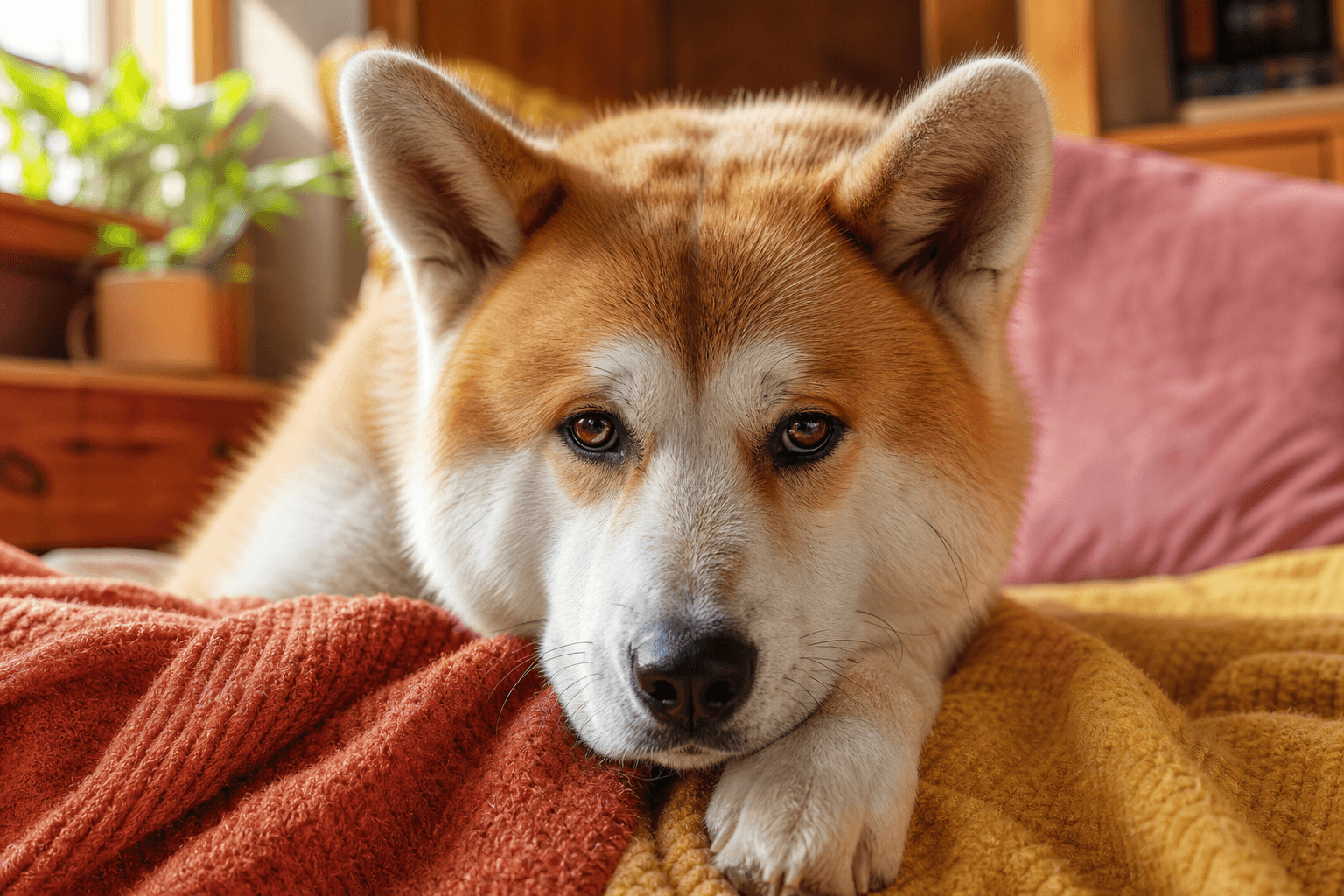
You love the regal look, the loyalty, and that big-bear hug vibe.
Same. We have a soft spot for Akitas — and a healthy respect for what living with one really means.
Here are the must-knows to decide with clarity and set your future Akita up for a great life.
1. This Is a Big, Heavy, Powerful Dog
Akitas are large, sturdy spitz-type dogs with serious muscle and a dense frame.
Even a calm Akita can accidentally pull you off balance. Leash manners and physical control matter from day one.
2. Dignified Temperament, Not a Social Butterfly
Akitas are loyal and affectionate with their people but often reserved with strangers.
They read the room, prefer calm interactions, and don’t appreciate pushy greetings.
3. Natural Guarding Instinct
Expect watchfulness. Many Akitas will position themselves between you and a perceived threat.
Channel it with clear routines and reinforce relaxed behavior when visitors arrive.
4. Training: Firm, Fair, and Early
They are intelligent and independent. Harsh methods shut them down or create conflict.
Use marker training, high-value rewards, and short, purposeful sessions. Consistency beats intensity.
Your core training rules
- Pay for what you wantMark and reward sits, eye contact, and loose leash every day.
- Keep it brief3–5 minute sessions, 3–5 times daily, beat long marathons.
- GeneralizePractice cues in new places so they work outside your living room.
5. Socialization Is Non-Negotiable
Thoughtful exposure early changes the whole trajectory.
Focus on neutrality: people, surfaces, sounds, grooming, vets, and seeing dogs at a distance without needing to greet.
You can’t out-train genetics, but you can stack the deck with structure.
6. Dog-Selective, Often Same-Sex Aggression
Many Akitas prefer their own space and don’t enjoy off-leash dog parks.
If you want multiple dogs, opposite-sex pairings tend to be smoother, introduced carefully.
Crowded, free-for-all play can backfire. Controlled, neutral exposures build better manners.
It improves tolerance, but breed tendencies and individual temperament still matter.
7. Exercise Needs: Quality Over Marathon Distance
Daily walks plus mental work keep them even-keeled.
Think structured leash walks, sniffing time, obedience games, and short fetch sessions. Weekend hikes are a win.
Brain work
Scent games, food puzzles, 10-rep training bursts.
Body work
Two brisk walks, hill climbs, backyard drills on recall and stays.
8. Double Coat, Double the Shedding
Akitas “blow coat” seasonally — fur tumbleweeds are real.
Brush weekly (daily during sheds) with an undercoat rake and slicker. Do not shave; the coat insulates and protects the skin.
9. Home Setup and Space
They do best with a secure, fenced yard and clear house rules.
Crate training is useful for decompression and visitor management. Stairs and slick floors? Add runners for traction.
- 6-foot secure fence, no gaps under gates
- Designated place bed and crate
- Dog park membership
- Grooming tools: undercoat rake, slicker, blower (nice-to-have)
10. Cold-Loving, Heat-Sensitive
That plush coat thrives in cold and wet.
In heat, walk at dawn/dusk, provide shade and water, and use cooling breaks. Overheating sneaks up fast.
11. Health: What to Screen and Watch
Common concerns include hip and elbow dysplasia, cruciate ligament tears, autoimmune issues, and thyroid disease.
Ask breeders for OFA hips/elbows, thyroid testing, and eye exams. Keep nails short to protect joints.
12. Realistic Costs
Big dog, big line items. Budget for quality food, grooming tools, training, and potential orthopedic care.
Annual Cost Breakdown
| Expense | Annual Cost |
|---|---|
| Food (quality kibble/raw mix) | $700–$1,400 |
| Vet care & preventives | $400–$900 |
| Training classes/private | $200–$800 |
| Grooming tools & supplies | $120–$250 |
| Insurance (optional) | $500–$1,000 |
| Est. Annual Total | $1,920–$4,350+ |
13. Akitas and Children
Many are gentle with family kids they know, but they don’t love chaotic hugs or rough play.
Supervise closely, teach respectful boundaries, and give the dog a kid-free safe zone.
14. Alone Time and Barking
Akitas are generally quiet, more prone to alerting than yapping.
They handle reasonable alone time if their needs are met, but rotate enrichment: stuffed Kongs, snuffle mats, and chew rotations.
15. Are You an Akita Person?
If you value calm routines, clear boundaries, and a steady companion who won’t be the life of the dog park, you might be.
If you want an off-leash social butterfly, keep looking.
They can be challenging for first-time owners due to size, independence, and dog selectivity. With mentorship and a committed training plan, it can work — but many beginners do better with an easier breed.
Temperament varies by individual, but females are often a bit more reserved and may be less tolerant of same-sex dogs. Choose based on personality, not sex alone.
Aim for 60–90 minutes daily split into two sessions plus mental work. Quality structure and sniff time matter more than mileage.
Some do, especially when raised together and well managed. Prey drive varies; slow introductions and safe escape routes for cats are essential.
Not typically like giant mastiff breeds, though some individuals drool around food or heat. Keep a towel handy just in case.