15 Things to Know Before Getting an Abyssinian Cat
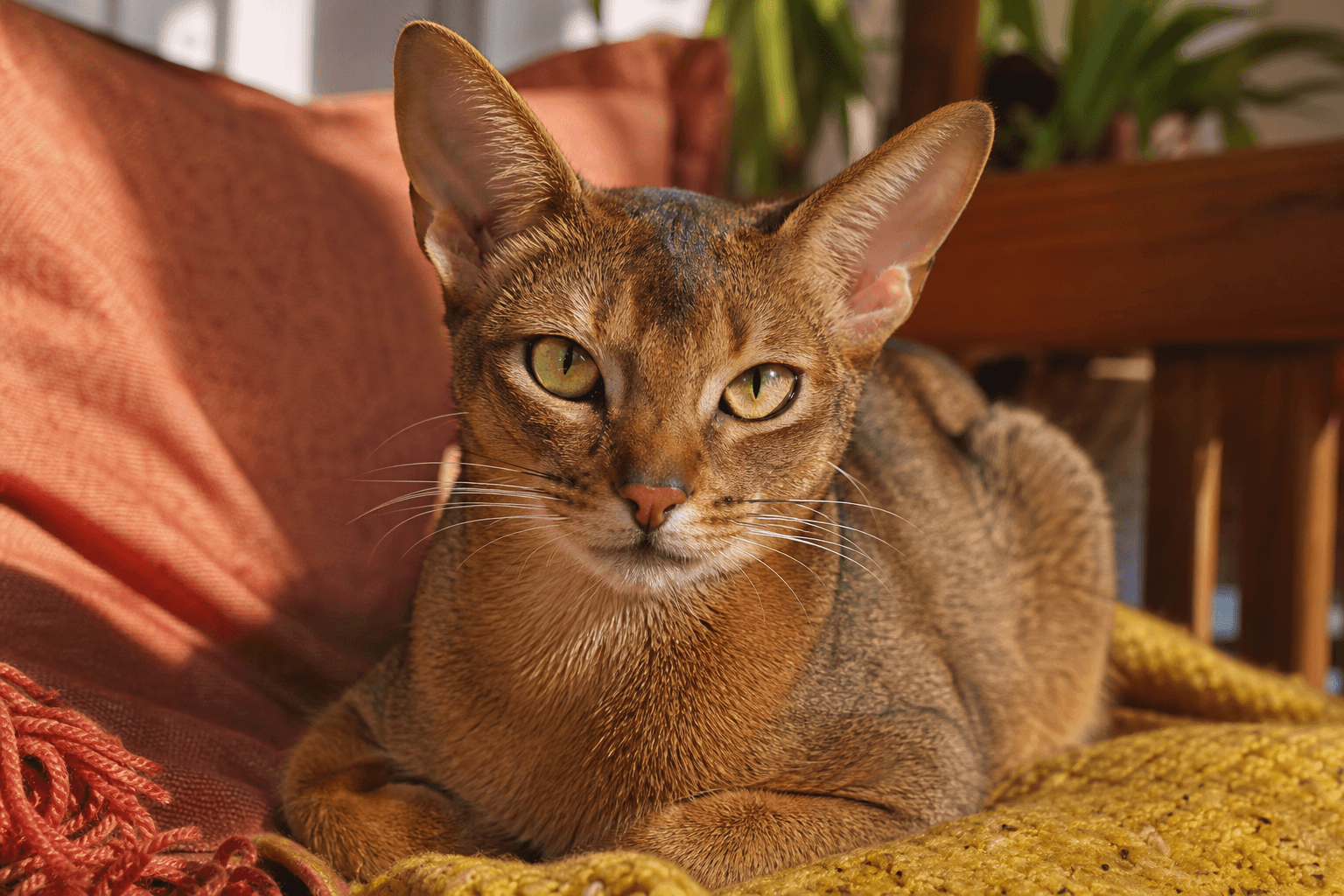
You clicked because Abyssinians are stunning, high-energy, and everyone says they are different.
They are — in the best ways and the challenging ones.
Here are the real-life things we wish we knew before living with this spirited, people-first breed.
1. They Are Athletes, Not Lap Potatoes
Abyssinians are lean, spring-loaded cats built to move.
Plan on daily play sessions that actually raise their heart rate — wand toys, fetch, and short parkour-style chases.
2. Curiosity Is Their Default Setting
If there is a cabinet, bag, or box, they are in it.
We childproofed our kitchen because an Aby will learn how doors work and will supervise every task.
Set your home up like a cat gym and a science lab — they will explore it all.
3. Affectionate, But on Their Terms
They bond deeply, follow you from room to room, and make frequent eye contact.
Expect shoulder perches and morning greetings more than long TV-cuddle marathons.
4. Vertical Space Is Non-Negotiable
High perches reduce floor zoomies and furniture launches.
Must-Haves
Tall, stable cat tree; window shelves; stair-step shelves between heights.
Nice-to-Haves
Ceiling-height post, wall bridge, a sunny lookout with a heated pad.
5. Very Smart — Enrichment Is Daily, Not Optional
They learn names, routines, and tricks fast.
Rotate puzzle feeders, teach sit/come/high-five, and use clicker training to channel that brain.
Enrichment rules that actually work
- Rotate weeklySwap toys and puzzle feeders so novelty stays high.
- Hunt before mealsShort prey-play session, then feed to satisfy the sequence.
- Tiny challengesHide kibble in paper cups, vary perch routes, adjust scratcher angles.
6. Quiet Voices, Constant Conversations
Abyssinians are generally soft-spoken, with chirps and trills rather than operatic meows.
They will still narrate your day — you just have to listen.
7. Low Grooming, High Shine
The ticked coat is short and silky, so mats are rare.
Weekly glove-brushing and a quick chamois rub keep that gloss; routine nail trims still apply.
8. Shedding Exists (But It’s Manageable)
You will see hair on cloth furniture during seasonal shifts.
A rubber curry, vacuum passes, and omega-3s in the diet help keep it controlled.
9. Know the Breed-Linked Health Risks
Abyssinians can be predisposed to periodontal disease, patellar luxation, pyruvate kinase deficiency (PKD, enzyme-related anemia), and progressive retinal atrophy (PRA).
10. Diet and Hydration Matter
High-protein, moisture-rich food supports their muscle and energy.
Many Abys do best with a wet-food base plus a puzzle feeder for a portion of dry.
- Wet food as the primary meal
- Free-feeding all-day kibble
- Multiple water stations or a fountain
- Sudden diet switches
11. People Cats Who Dislike Being Ignored
Left alone all day, every day, an Aby gets bored and inventive in ways you will not love.
If your schedule is long, pair them with another friendly cat or invest heavily in interactive enrichment.
12. Generally Good With Other Pets — With Structure
Confident and playful, they often enjoy another active cat or a cat-savvy dog.
Use slow scent swapping, short visual sessions, and reward calm curiosity.
13. Adaptable Travelers, With Prep
Because they are people-oriented and curious, Abys can travel better than most cats.
Carrier training with treats, short practice drives, and a non-slip pad help. Cover three sides of the carrier and play soft audio to reduce visual overload.
A hard-sided carrier large enough for standing and turning, with top and front openings. Add a familiar blanket for scent security.
Often yes, if you stick to routines. Set up a small “home base” room with litter, food, water, and a perch before free-roaming.
14. Indoor Life With Controlled Adventure
They are fast and fearless, which is risky outdoors.
Consider a secure catio, window screens that lock, and harness training for supervised walks.
15. Kittens Are Intense; Seniors Stay Spry
Aby kittens are non-stop motion; plan micro-naps between play storms.
Even as seniors, they keep their curiosity — joint-friendly perches and regular vet checks keep them comfortable.
Annual Cost Breakdown
| Expense | Annual Cost |
|---|---|
| Quality food and treats | $500–$900 |
| Vet care (routine) | $200–$400 |
| Insurance (optional) | $300–$600 |
| Litter and supplies | $200–$350 |
| Toys, scratchers, enrichment | $150–$300 |
| Est. Annual Total | $1,350–$2,550/yr |