15 Things to Know Before Getting a Russian Blue Cat
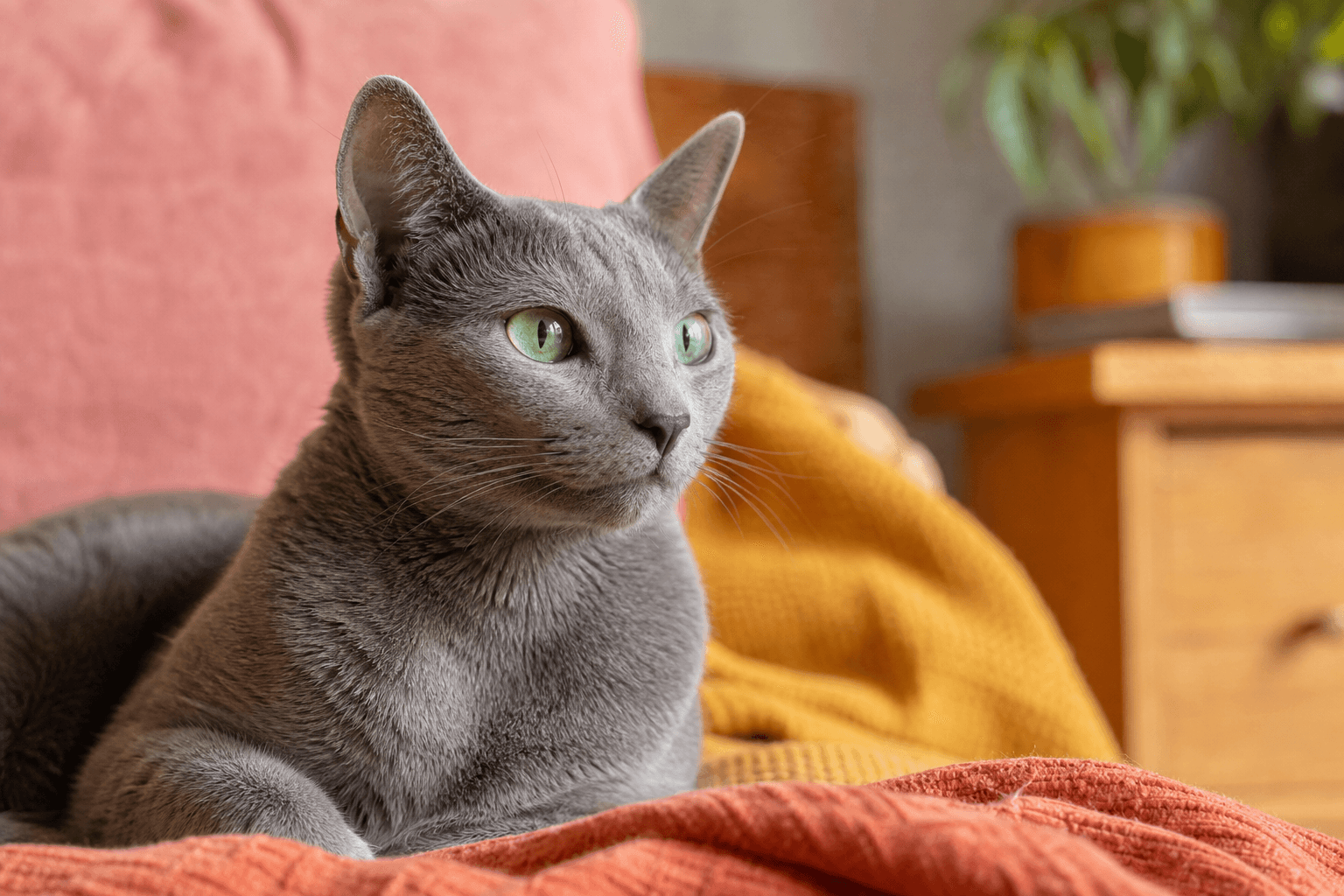
You clicked because Russian Blues look serene, silky, and a little mysterious.
We live with one—and they are exactly that, plus a few surprises.
Here are the things that actually matter before you bring a Russian Blue home.
1. Quiet, Observant Temperament
Russian Blues are calm and composed, especially once they trust the space.
They like to sit nearby, watch everything, and step in when play is offered.
2. They Bond Deeply (With Select People)
Expect a cat who chooses a favorite person and shadows them like a polite shadow.
They still show affection to others, but the chosen human gets the slow blinks, the couch cuddles, and the bedtime check-ins.
3. Initial Shyness Is Normal
Many Russian Blues hide for the first few days or weeks in a new home.
Let them set the pace. A quiet room, predictable visits, and hand-fed treats help them emerge faster.
4. Not Truly Hypoallergenic
They are often better tolerated by some allergy sufferers, but they are not hypoallergenic.
Reactions vary by person and are triggered by proteins in saliva/skin, not just fur. Test time with an adult Russian Blue before committing.
5. The Double Coat Needs Gentle Care
The plush, silver-tipped double coat is dense yet low-oil.
Brush 1-2 times a week with a soft slicker or grooming glove. Overbrushing or harsh tools can fluff-break the ends and dull that sheen.
Day-to-day life with a Blue is easy—if you set the rhythm early.
6. Shedding Is Seasonal, Not Constant
Expect a light shed most of the year and a heavier blow once or twice annually.
During the big shed, short daily brushes and a vacuum pass keep your home—and black clothes—sane.
7. Those Green Eyes Take Time
Kittens often start with yellow or yellow-green eyes; the vivid green typically deepens as they mature.
If you adopt a kitten, the full effect can take a year or more.
8. Smart, Play-Driven Cats
Russian Blues like puzzles, fetch, and wand games with fast pauses and quick bursts.
Brain Work
Puzzle feeders, treat balls, and clicker training keep them engaged.
Chase Instinct
Feather or ribbon wands that dart and stop mimic prey best.
Fetch Fans
Many will retrieve foam balls—end the game while they still want more.
Rotate Toys
Hide half the toys and swap weekly to keep novelty high.
9. Routine Matters More Than You Think
They thrive on predictable mealtimes, litter scoops, and play windows.
Sudden schedule shifts can spark hiding or night zoomies. A 10-minute evening play ritual works wonders.
10. Soft Voices, Clear Opinions
They are generally quiet but will use a gentle trill or meow to tell you when dinner is late or the door should open.
Listen for chirps near favorite spots—that is your invitation to join.
11. Watch the Waistline
Russian Blues are efficient with calories and can gain weight on portions that suit other cats.
Use a kitchen scale for meals, prioritize high-protein wet food for satiety, and track body condition, not just pounds.
Feeding rules that work
- Measure, do not eyeballWeigh portions until you know the exact scoop for your cat.
- Wet plus playServe meals then do a short play session to mimic hunt-eat-groom-sleep.
- Treat ceilingKeep treats under 10% of daily calories and include them in the total.
12. Generally Healthy, With Caveats
As a breed, they are considered robust with no widespread, unique disorders.
That said, any cat can face dental disease, obesity, or heart and kidney issues with age. Choose a breeder or rescue that shares health history and schedules early vet care.
No special breed-only tests are standard, but routine exams, dental checks, and senior bloodwork after about age seven are smart.
Often well into the teens with good care. Balanced diet, healthy weight, and regular vet visits make the biggest difference.
They tolerate workdays if needs are met, but they do best with company, enrichment, and a consistent routine.
13. Good With Calm Pets—Slow Intros
They can coexist beautifully with polite cats and gentle dogs.
Use scent swapping, door-meetings, and short, positive sessions. A vertical escape route is non-negotiable.
- Scent swap with blankets/toys for 48 hours
- Baby gate or cracked-door greetings first
- Free-for-all on day one
14. Apartment-Friendly, Window-Lovers
They are excellent in smaller homes as long as there are climbing options and sun or bird TV.
Secure screens and consider a window perch—this cat will use it daily.
15. Upfront and Ongoing Costs
Expect higher adoption or breeder fees for a purebred, plus quality food, litter, and routine vet care.
Annual Cost Breakdown
| Expense | Annual Cost |
|---|---|
| Quality food (wet + dry) | $500–$900/year |
| Litter and supplies | $200–$400/year |
| Preventive vet care | $200–$400/year |
| Insurance or emergency fund | $300–$600/year |
| Toys, scratchers, replacements | $100–$200/year |
| Est. Annual Total | $1,300–$2,500/year |