15 Things to Know Before Getting a Ragdoll Cat
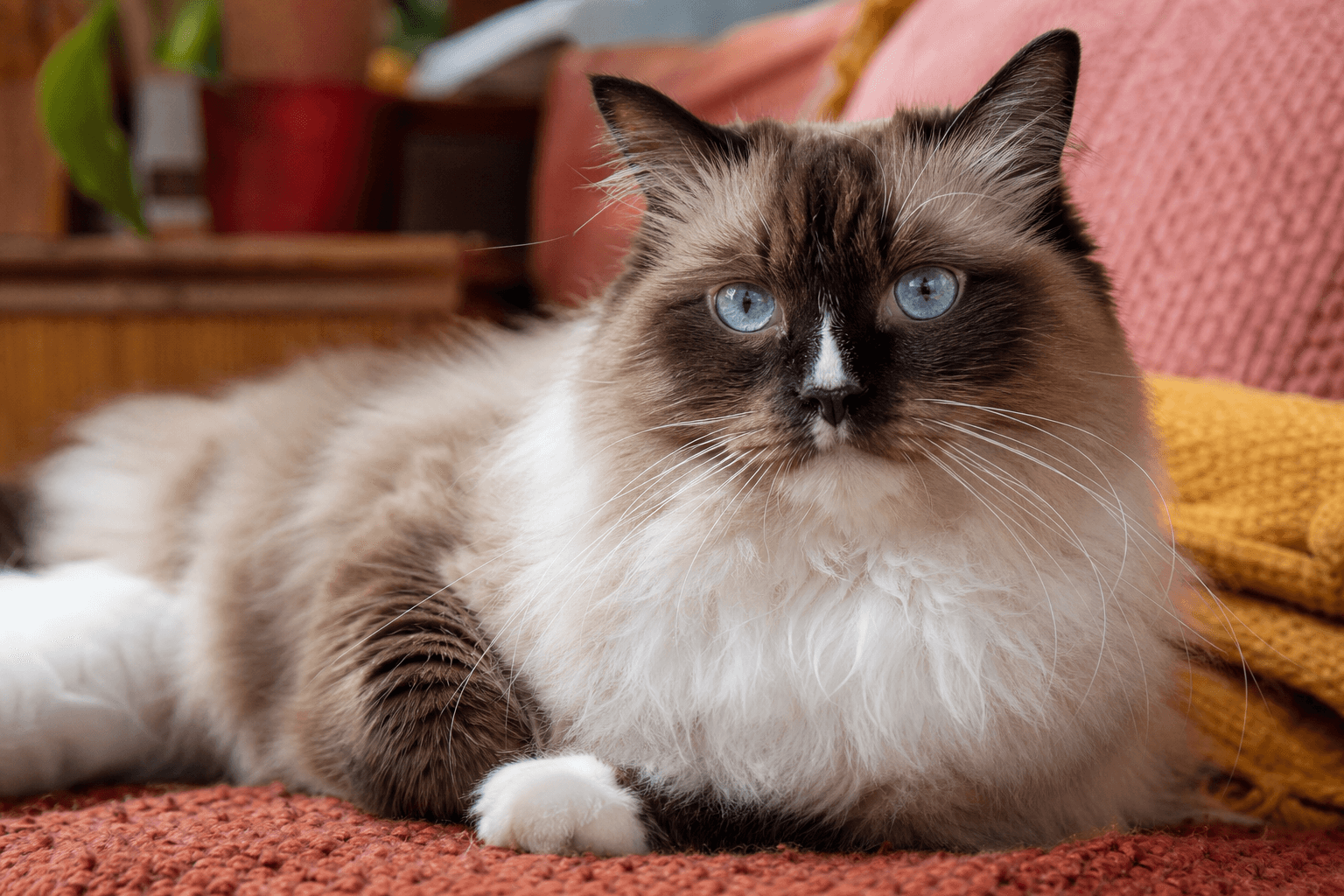
You fell for those blue eyes and floppy cuddles — we did too.
Ragdolls are dreamboats, but living with one comes with real-world needs.
Here are the exact things we wish we knew before bringing our first Ragdoll home — so you can start strong.
1. They Are Exceptionally People-Oriented
Ragdolls tend to follow you like a soft shadow. They greet at doors, supervise showers, and settle where you are.
This is wonderful if you’re home a lot. If you work long hours, consider enrichment or a second friendly cat to prevent loneliness.
2. They Grow Big (and Grow Slowly)
Many males reach large-cat territory, with females a bit smaller. They often don’t fully mature until 3–4 years.
Plan for sturdy carriers, large scratching posts, and a tall, stable tree that won’t wobble when they leap.
3. Medium-Long Coat, Low Matting — Still Needs Care
Ragdolls lack a dense undercoat, so they're less prone to mats than some longhairs — but not immune.
Two to three gentle brush sessions a week usually keeps things glossy. Focus on armpits, behind ears, and pantaloons.
Best tools
Stainless steel greyhound comb, soft slicker, grooming wipes.
Routine
Short, calm sessions with treats. Stop before fussing starts.
4. Shedding Is Seasonal, Not Zero
Expect more fluff in spring and fall. Regular brushing and a vacuum with a pet hair tool help.
If you have allergies, note that Ragdolls are not hypoallergenic. Dander and saliva proteins still trigger symptoms.
Temperament is mellow — activity still matters
5. Calm, But Not Couch Potatoes
They’re laid-back, but daily play keeps weight and hairballs in check.
We rotate wand toys, floor puzzles, and short fetch sessions. Ten minutes twice a day goes a long way.
6. Best as Indoor or Supervised-Outdoor Cats
Because they’re trusting and less street-savvy, Ragdolls are safer indoors.
Leash walks, window perches, and a secure catio give them a safe taste of the outside world.
7. Many Are Lap Cats — on Their Schedule
Yes, the snuggles are real. But consent matters. Some Ragdolls prefer leaning beside you over being carried everywhere.
Respect their cues and they’ll offer longer, deeper cuddles.
8. Generally Great with Kids and Cat-Friendly Dogs
Their patience is a gift, but teach gentle handling and give escape routes.
- High perches or gated rooms for breaks
- Supervise toddler interactions
- Rough play or chasing games
9. Soft Voices, Big Conversations
They’re typically soft-spoken, with chirps and trills rather than yowls.
Changes in vocalization can signal pain, stress, or illness — note patterns.
10. Big Cats Need Big Litter Solutions
Choose a large, high-sided box (or an open storage tote) to prevent over-the-edge mishaps.
Clumping, unscented litter and daily scooping keep the coat cleaner and reduce tracking.
11. Health Watch: HCM Screening Matters
Hypertrophic cardiomyopathy (HCM) occurs in the breed. Reputable breeders screen breeding cats and share results.
Ask for documentation and schedule annual vet checks; early murmurs can be subtle.
12. Nutrition: Prevent the Slow Creep of Weight Gain
Large frame doesn’t mean free feeding. Use measured meals with high-quality protein and plenty of water.
13. Plan for Nail Trims and Occasional Butt Hygiene
Trim nails every 2–4 weeks and check the floof around the rear during shedding seasons.
A quick sanitary trim or grooming wipes can prevent cling-ons and litter issues.
14. Responsible Breeding and True Colors
Ragdolls are point-colored with blue eyes; kittens are born light and darken with age.
A pedigree or rescue disclosure should match this. If the eyes aren’t blue in a pointed cat, it may be a different mix.
They absolutely feel pain. The relaxed “ragdoll” flop is a temperament trait, not a lack of sensation.
They shed less than many longhairs but still shed, especially seasonally.
15. Budget for the Sweet Life
Between adoption or breeder fees, quality food, insurance, and a solid tree, costs add up.
Annual Cost Breakdown
| Expense | Annual Cost |
|---|---|
| Food and treats | $400–$800 |
| Litter and supplies | $200–$350 |
| Routine vet care | $200–$500 |
| Insurance (optional) | $300–$600 |
| Grooming/tools | $80–$200 |
| Est. Annual Total | $1,180–$2,450+ |
Yes, if you can commit to companionship, gentle grooming, and indoor life. Their easygoing nature suits beginners.
Not always, but many enjoy a friendly feline buddy. If you’re away a lot, consider adopting a compatible pair.
Often 12–16 years with good care. Regular vet checks and weight management make a real difference.
Personality varies more by individual than sex. Meet the cat and ask the breeder or shelter about temperament.