15 Things to Know Before Getting a Pomeranian
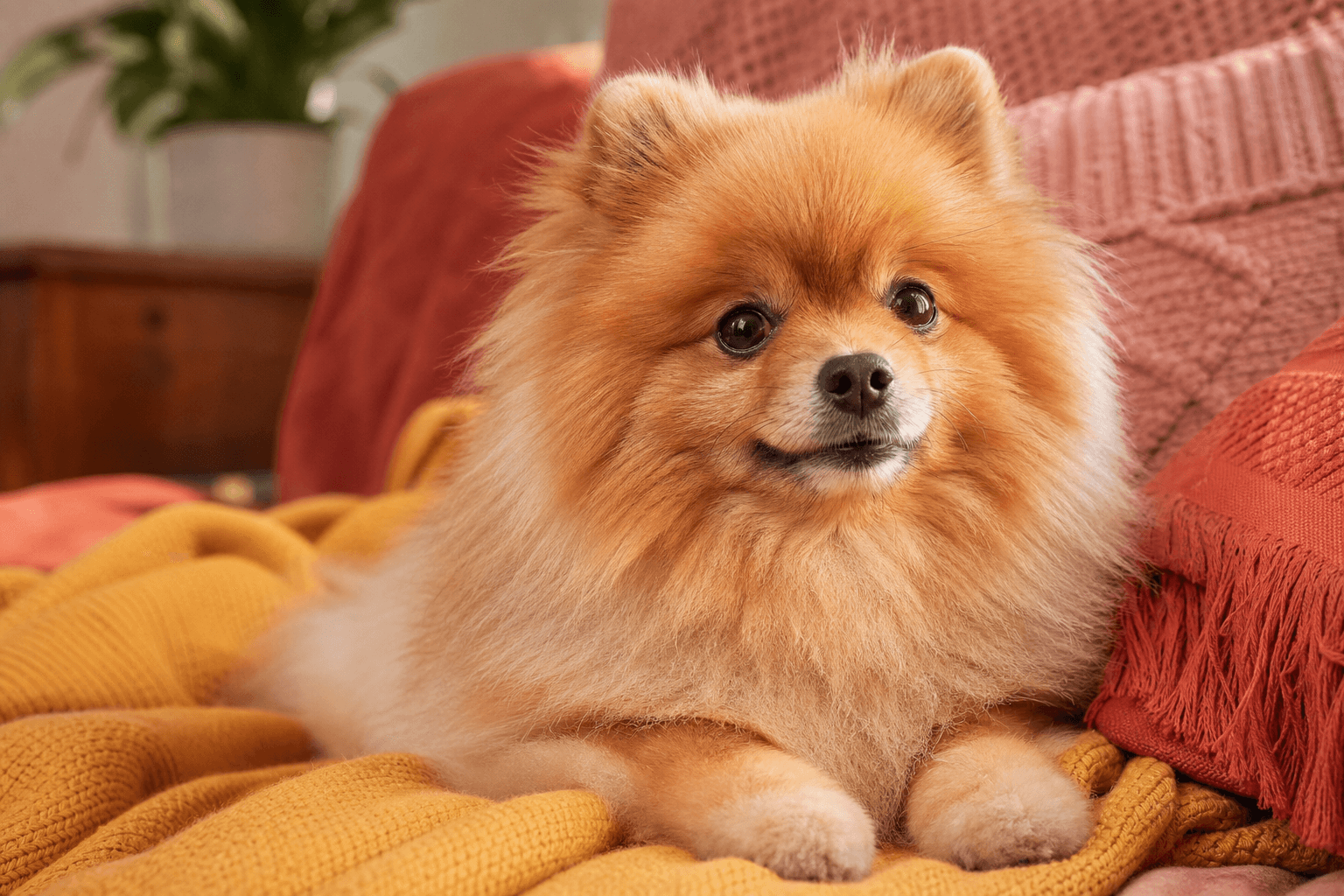
You love the fox-y face, the tiny prance, and that glorious fluff.
We do too. But Pomeranians come with very real needs hidden behind the sparkle.
Here are the exact things we wish someone had told us before we said yes to a Pom.
1. Toy Size, Big Personality
Pomeranians are typically 3–7 pounds, but their confidence reads ten times larger.
They will happily announce visitors, patrol windows, and try to boss bigger dogs. You guide that bravado into manners.
2. Barking Happens
Poms are vocal watchdogs by design. Expect alert barking for knocks, hallway sounds, and the mail truck.
We manage it with calm interrupters and rewards for quiet. Mark the first second of silence and pay it well.
Fluff is gorgeous, but it comes with a plan
3. The Coat Is Work
That plush double coat mats at friction points: behind ears, armpits, chest, and thighs.
Brush 2–3 times weekly with a slicker and metal comb to the skin, then spritz with a light detangler. A professional groom every 6–8 weeks keeps the outline tidy.
4. Yes, They Shed
That undercoat blows seasonally. Daily quick brushes for a week or two help, plus a de-shedding bath from your groomer.
A robot vacuum is your friend. Dark leggings on shed week? Maybe not.
5. Dental Care Is Non‑Negotiable
Toy breeds, including Poms, are prone to periodontal disease and retained baby teeth.
Daily toothbrushing with dog-safe paste and yearly vet cleanings save pain and money later. Ask your vet to check for retained canines around 6–7 months.
6. Smart But Opinionated
Poms learn fast and also learn loopholes. Keep sessions short, upbeat, and varied.
We rotate games: hand-targets, spins, sits, and quiet-on-cue. Reward generously; these dogs work for pay.
7. Potty Training Takes Patience
Small bladders and tiny margins for error make consistency everything.
Crate training, leashed potty trips to the same spot, and a schedule after sleep, play, and meals get results. If you use pee pads, place them far from food and sleeping areas.
Housebreaking Rhythm
- Morning: straight outsideCarry your Pom if needed to prevent accidents en route.
- After meals and napsOut within 10–15 minutes.
- Praise the locationReward within two seconds of finishing.
8. They Are Physically Fragile
Jumps from sofas, rough play with larger dogs, or being stepped on can cause injury, including luxating patellas and fractures.
Use stairs or ramps for furniture, supervise kid and dog time, and teach an off-cue for excited greetings.
9. Exercise: Short, Daily, Consistent
Think brisk 20–30 minutes split into two outings, plus sniff breaks and indoor play.
Fetch down a hallway and puzzle feeders tire their minds without overdoing joints.
Brain games
Snuffle mats, scatter feeding, easy scent trails.
Low-impact play
Short fetch sessions, flirt pole at knee height, no high jumps.
10. Heat and Humidity Are Tough
Double coats hold warmth. In hot weather, walk early and late, offer shade and water, and skip mid-day exertion.
Panting, glassy eyes, or slowing down means stop and cool off.
11. Early Socialization Matters
Without it, Poms can go from confident to snappy. Pair new sights, sounds, and gentle handling with treats from 8–16 weeks and continue afterward.
Small-dog meetups and calm, known big dogs build swagger without risk.
12. Know The Health Watchlist
Common concerns include luxating patellas, collapsing trachea, dental disease, hypothyroidism, and alopecia X (coat loss) in some lines.
Choose breeders who health-test knees and hearts, and keep your Pom lean to protect joints and airways.
They need safe, regular walking to build muscle and confidence—just manage heights and rough play.
A maintained double coat insulates from heat and sun; shade, hydration, and timing walks matter most.
13. Feeding for Tiny Tummies
Small mouths do best with toy-breed kibble size or a balanced fresh diet measured carefully.
Puppies may need 3–4 small meals to avoid blood sugar dips. Adults typically thrive on 2 meals; watch body condition, not just the bag chart.
14. Travel and Apartment Friendly
Poms fit urban life well: short walks, stroller or carrier for crowded transport, and polite elevator manners.
Check airline pet policies and acclimate to a soft carrier weeks before flying.
Pros
Why a Pom Works
- Portable, adaptable, and people-pleasing
- Low exercise needs compared to larger breeds
- Fun training partner—tricks come easily
Cons
Where They Challenge You
- Vocal without training
- High grooming maintenance
- Fragile around rough play and heights
15. The Real Costs
Beyond the purchase or adoption fee, budget for grooming, dental cleanings, quality food, training, and potential orthopedic or airway care.
Annual Cost Breakdown
| Expense | Annual Cost |
|---|---|
| Grooming (6–8 visits) | $360–$720 |
| Food and treats | $200–$400 |
| Routine vet + vaccines | $200–$500 |
| Dental cleaning (annual/biennial) | $300–$800 |
| Toys, gear, insurance | $300–$700 |
| Est. Annual Total | $1,360–$3,120+/year |
They can be, with respectful kids and supervision. Teach gentle handling, no grabbing, and provide a safe retreat for the dog.
Many coexist happily if introductions are gradual. Manage size mismatches and avoid rough play with large, boisterous dogs.
Brush several times a week and schedule professional grooming every 6–8 weeks to prevent matting and keep hygiene in check.
Adults can handle 4–6 hours with training and enrichment. Start small, use food puzzles, and avoid long days as the norm.
No. They shed and produce dander. Regular grooming and cleaning help but do not make them hypoallergenic.