15 Things to Know Before Getting a Miniature Pinscher
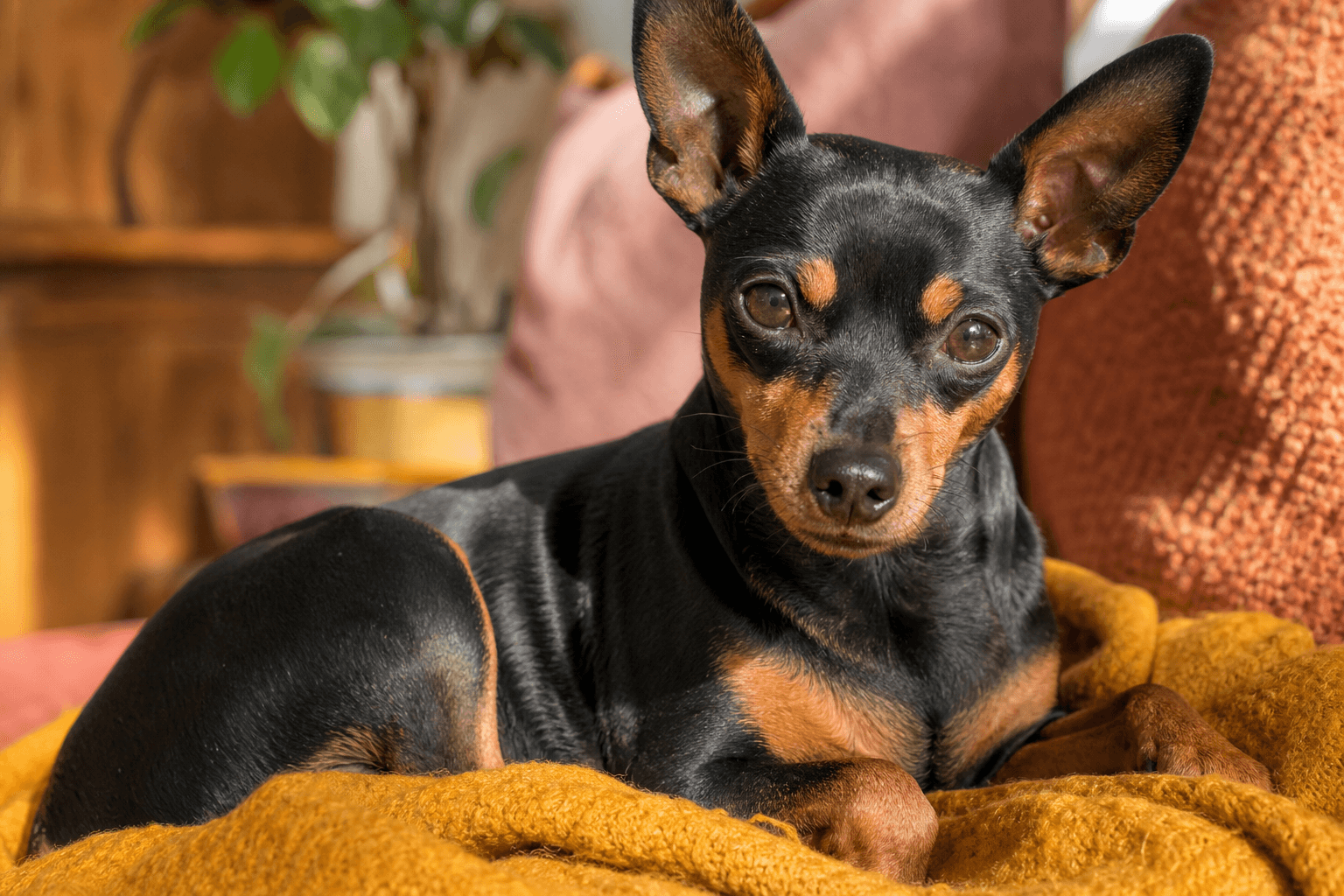
You love that bold, toy-dog swagger — and the Min Pin has it in spades.
They are whip-smart, hilarious, and a handful if you are not ready.
Here are the 15 things we wish we knew before bringing a Miniature Pinscher home, so you can skip the surprises.
1. They Are High-Energy Sprinters
A Miniature Pinscher is a coiled spring. Short daily walks are not enough.
Plan for two brisk outings plus play bursts — fetch in the hallway, tug, or a flirt pole in the yard. Ten minutes of focused play can calm them better than a slow 30-minute stroll.
2. Escape Artists With Zero Fear
That fearless terrier-like mindset plus a catlike jump means they test gates, screens, and your reflexes.
Secure fences to the ground, use self-closing gates, and teach a rock-solid wait at doors. Microchip and keep an ID tag on at all times.
3. Training Works — If You Make It Worth It
Min Pins are smart and independent. They respond to short, upbeat sessions with high-value rewards.
Keep reps under one minute, pay generously, and quit while they are winning. Heavy-handed methods backfire; confidence-building and consistency shine.
4. Expect Vocal Opinions
They are alert watchdogs and will announce deliveries, birds, and your neighbor sneezing.
Teach a quiet cue early. Meet their need to alert, then reward silence. Daily enrichment reduces the need to broadcast.
5. Socialization Is Not Optional
That big-dog attitude in a small body can turn into reactivity if you skip exposure.
Pair new sights, sounds, surfaces, and people with treats from day one. Short, positive dog meetups beat busy dog parks.
Lifestyle details that matter day to day
6. Small Dog, Not a Fragile Doll
They are muscular and athletic, but still small. Rough play with big dogs or unsupervised time with kids can go wrong.
Teach gentle handling and give them jump-safe ramps for couches to protect joints and backs.
7. Easy Coat, Some Skin Care
The sleek coat sheds lightly and needs a quick rubber brush once or twice a week.
Watch for dry skin. A gentle shampoo, rinse thoroughly, and keep nails very short to protect their quick stride. Ear checks are quick but important.
8. They Hate the Cold
With a thin coat and low body fat, many Min Pins shiver below room-temperature weather.
Use a fitted sweater for walks and a coat for wind or rain. Indoors, give a warm bed and a sunny perch.
9. Watch the Waistline
They burn hot, but extra treats add up on a small frame.
Use part of their daily kibble as training pay, and body-score weekly. You should feel ribs easily with a slight waist from above.
10. House Training Can Take Patience
Small bladders and big opinions mean accidents happen if you are inconsistent.
Crate training, strict feeding and potty schedules, and rewarding outdoor success make the difference. Consider a covered potty spot for rainy days.
11. Alone Time Needs Practice
Min Pins bond hard and can protest when left.
Build independence with short absences, stuffed chewables, and a safe pen. Avoid dramatic exits or returns; calm is the lesson.
12. Common Health Watchouts
As a breed, they can be prone to patellar luxation, dental disease, and Legg-Calve-Perthes in some lines. Some develop hypothyroidism or cervical disc issues.
Choose breeders who health-test knees and patellas, and budget for yearly dentals. Keep them lean to protect joints.
13. Safety Gear Is Your Best Friend
Use a snug Y-front harness to protect the neck on that signature prance.
A reflective collar, ID tag, and GPS tag for flight risks pay for themselves the first time a door is left ajar.
- Harness fits two-finger rule and does not rub armpits
- Extendable leashes for training walks
- ID tag and microchip registered and current
14. Best Home Matches
They thrive with engaged owners who like to train, laugh, and move.
Great for apartments if you manage barking and exercise. Not ideal if you want a couch potato or a dog who is fine with chaotic kids unmonitored.
Pros
Min Pin Joys
- Huge personality, hilarious companions
- Low grooming needs
- Smart and trainable with rewards
- Compact size for travel
Cons
Min Pin Challenges
- High energy and vocal
- Door-darting and chasing instincts
- Sensitive to cold
- Can be stubborn about house training
15. Real-World Costs
Upfront: adoption or breeder fees, vaccinations, microchip, harness and leash, crate, sweaters, chew toys.
Ongoing: quality food, preventives, annual vet visit, dental cleanings, training classes, and winter gear replacements.
Annual Cost Breakdown
| Expense | Annual Cost |
|---|---|
| Food and treats | $300-500 |
| Vet and preventives | $300-700 |
| Dental cleaning (average year) | $200-600 |
| Grooming and supplies | $100-250 |
| Training/enrichment | $100-300 |
| Est. Annual Total | $1,000-$2,300 |