15 Things to Know Before Getting a Lovebird
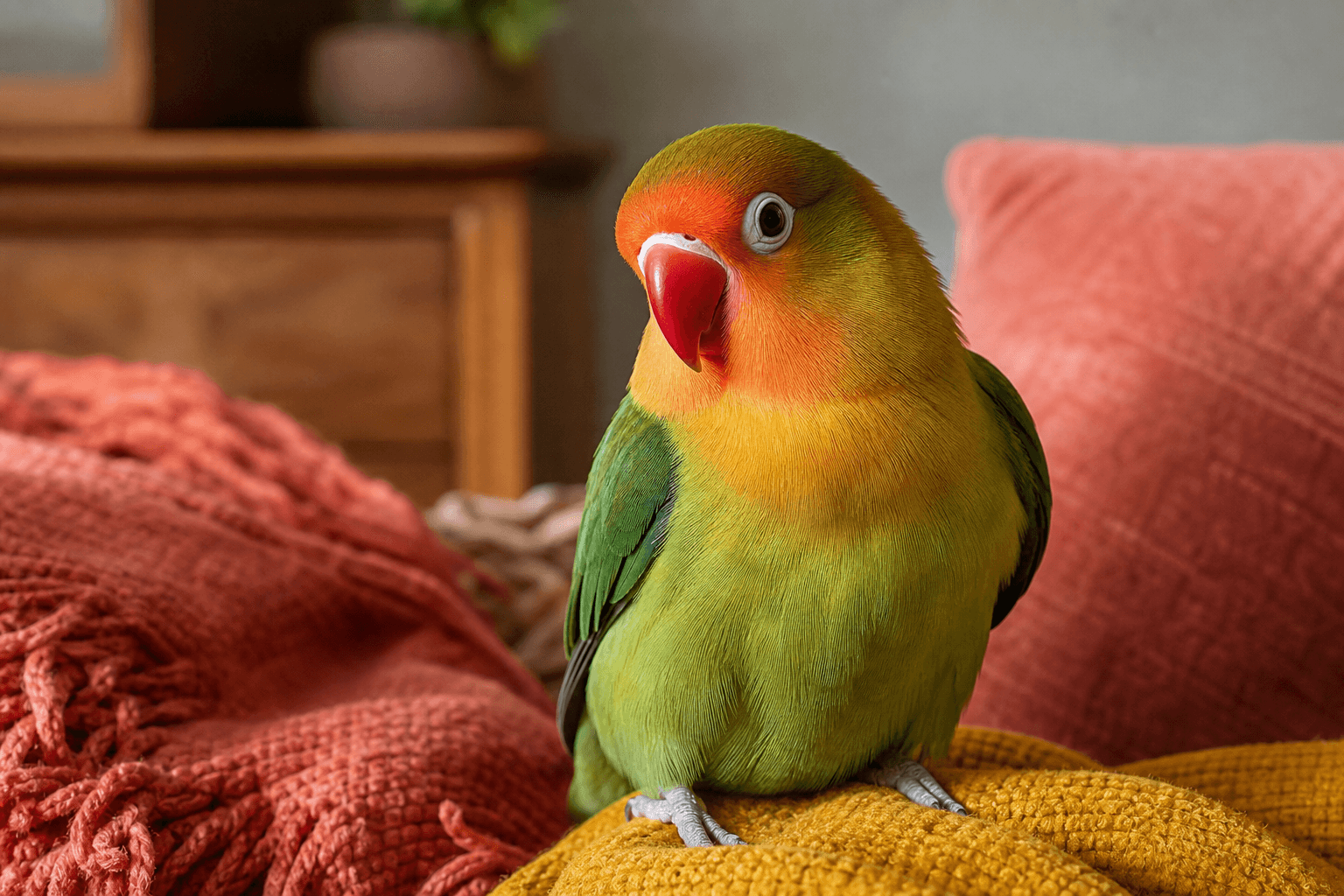
You fell for those bright feathers and big personality in a tiny body. We did, too.
Before you bring a lovebird home, here are the exact things that actually matter—no fluff, just what makes day-to-day life joyful and sustainable.
By the end, you will know if a lovebird fits your routine, your space, and your heart.
1. It Is a 10–15 Year Commitment
Healthy lovebirds commonly live a decade or more with good care.
That means planning for moves, roommates, kids, and changing work schedules. If you cannot picture a small parrot in your life for the long arc, pause here.
2. They Are Louder Than You Think
Lovebirds have a sharp, high call. In apartments, neighbors may hear morning and late-afternoon vocal peaks.
You cannot train out natural flock calls, but you can reduce boredom screaming with predictable routines, foraging, and enough sleep.
3. Cage Size and Setup Matter
Despite their size, lovebirds are athletes. Aim for a minimum cage around 30 x 18 x 18 inches with bar spacing about 1/2 inch.
Use three perch types at different diameters (natural wood, rope, and a pedi-perch for occasional nail wear), plus room for toys without blocking flight.
Must-Have Perches
Natural branch, rope, and 1 textured perch for variety.
Smart Placement
Eye-level, draft-free, not in the kitchen; one side partly covered for security.
Lighting
12 hours dark, 12 hours light; consider full-spectrum (bird-safe) near a window.
Cleanability
Front doors that open wide, slide-out tray, and easily washable bowls.
4. Seed Alone Is Not a Diet
All-seed diets lead to malnutrition and liver issues. Think variety.
Base: a quality pellet formulated for small parrots (often 50–70%), plus fresh vegetables, leafy greens, and a little fruit. Seeds stay as training treats or a small daily portion.
5. A Single or a Pair? Bonding Trade-Offs
A single lovebird often bonds more to you but needs more daily interaction. A pair can self-entertain yet may prefer each other over humans.
If you keep a pair, choose the same species, introduce gradually, and be ready to house separately if they fight.
Ready to build trust the kind way?
6. Taming Takes Consistency
Short, daily sessions win. Use target training, stationing, and step-up on a perch before hands.
Pair every ask with a tiny high-value treat and end on success. Skipping days sets you back more than keeping sessions brief.
7. Daily Out-of-Cage Time Is Non-Negotiable
Plan on 1–3 hours of supervised freedom. Rotate toys weekly: soft balsa, palm shredders, thin willow, and safe bells.
Build foraging: wrap pellets in paper cups, skewer veggies, and use refillable foraging wheels to channel that busy beak.
8. Your Home Has Hidden Hazards
No Teflon/PTFE/PFOA cookware or heated appliances that off-gas. Avoid aerosols, scented candles, and plug-ins.
Close toilets, cover mirrors/windows during free-flight, secure electrical cords, and quarantine new birds for 30–45 days.
- Non-stick cookware replaced with stainless/ceramic
- Windows/mirrors marked before first flight
- Aerosols, candles, and smoke kept out of bird areas
- Other pets supervised or separated during out-time
- Quarantine plan for new birds
9. Avian Vets and Preventive Care
Find a certified avian vet before you need one. Annual wellness exams, gram stains, and nail/beak checks prevent big problems.
Watch for quiet behavior, fluffed feathers, tail bobbing, or a change in droppings—birds hide illness until they cannot.
10. Molting and Dust Are Real
Lovebirds molt a couple of times a year. Expect pin feathers and extra preening.
They are not heavy powder birds like cockatiels, but there will be dander. A HEPA purifier and regular cage cleaning help.
11. Beakiness and Territory
Lovebirds are bold. Nips often come from guarding a favorite spot or being pushed past threshold.
Respect body language, rotate cage toys to reduce resource guarding, and offer a neutral training perch away from the cage.
It means the bird is communicating discomfort or fear. Adjust the situation and reinforce calmer alternatives.
Training, enrichment, and predictable routines solve behavior. Clipping does not teach skills.
12. Species and Color Mutations
Common species include Peach-faced, Fischer's, and Masked lovebirds. Each has similar care needs with slight temperament nuances.
Color mutations are cosmetic. Choose for health, temperament, and a reputable breeder or rescue, not just plumage.
13. Real Costs Beyond the Bird
Initial setup often exceeds the bird’s price: a roomy cage, play stand, toys, pellets, fresh foods, travel carrier, and a first vet check.
Annual Cost Breakdown
| Expense | Annual Cost |
|---|---|
| Food (pellets, fresh produce) | $180–$300 |
| Toys and perches (rotating) | $120–$240 |
| Vet wellness visit | $90–$180 |
| Emergency fund (set aside) | $200+ |
| Cleaning supplies/HEPA filters | $60–$150 |
| Est. Annual Total | $650–$1,070 first year (with cage), $450–$870 ongoing |
14. Travel and Boarding Are Tricky
Bird-savvy sitters are rare. Start carrier training early, keep a travel kit (food, water, paper towels, spare perches), and confirm pet policies before trips.
Many birds do best with an in-home sitter following their routine.
15. What a Great Lovebird Life Looks Like
A stable routine, varied food, daily flight, gentle training, and you showing up—consistently.
In return, you get a pocket-sized parrot with huge heart, playful antics, and a bond that feels bigger than their body.