15 Things to Know Before Getting a Hermit Crab
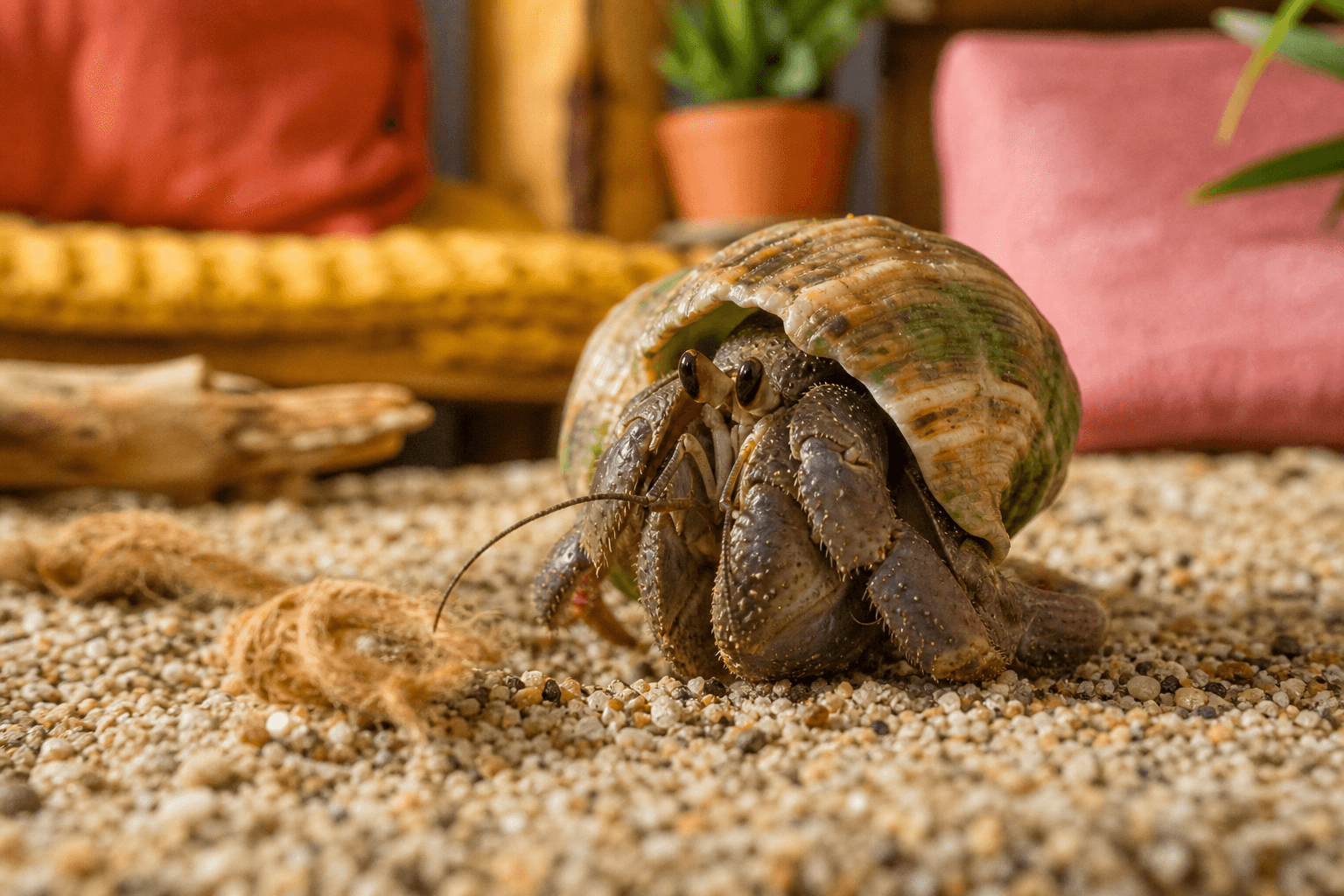
You saw those curious little claws and thought, maybe a hermit crab is the low‑maintenance pet I need.
They can be wonderful, but they aren’t sand-in-a-plastic-cage simple. We’ve kept hermit crabs for years, and these are the exact things we wish we knew on day one.
Set them up right and you’ll actually see them thrive, climb, and change shells with confidence.
1. Not All Pet Store Hermit Crabs Are the Same Species
Most stores sell Caribbean hermit crabs (Coenobita clypeatus, often called purple pinchers) and sometimes Ecuadorians (Coenobita compressus). Care overlaps, but details differ, like preferred shell shapes and activity levels.
Know which you’re getting so you can match shells, temperature, and behavior expectations. Staff don’t always know—look up ID guides before you buy.
2. They Are Social and Do Best in Groups
Hermit crabs are communal foragers in the wild. A group of three or more is ideal so one shy crab isn’t singled out.
Give multiple hideouts and food spots to reduce squabbles.
3. The Tank Size Is Bigger Than You Think
Skip the critter keeper. A 20‑gallon long is a smart starting point for a small group, with room to upgrade as they grow.
Glass holds humidity better, and a tight-fitting lid is essential.
Habitat matters more than anything else
4. The Substrate Must Be Deep and Packable
Molting crabs need to tunnel without cave‑ins. Aim for substrate as deep as your largest crab is tall times 3—often 6–8 inches, more for big crabs.
A common mix is 5 parts play sand to 1 part coconut fiber, moistened until it holds a sandcastle shape. Pack it down.
5. Heat and Humidity Are Non‑Negotiable
Target 75–80°F and 70–80% humidity. Use a thermostat‑controlled heat mat on the outside of the tank and accurate digital gauges inside.
Dry air causes lethargy and failed molts. Mist as needed and cover most of the lid to hold humidity, leaving some ventilation.
6. You Need Both Fresh and Saltwater Pools
Hermit crabs regulate internal salts and hydrate through soaking and drinking. Offer dechlorinated fresh water and a separate marine‑salinity saltwater pool at all times.
Use dishes deep enough for full submersion with easy exits—sponges are optional and can harbor bacteria.
7. Use Marine Salt Mix, Not Table Salt
Only reef‑grade marine salt mix replicates necessary minerals. Table salt and aquarium freshwater salts are not substitutes.
Mix to ocean salinity per the manufacturer’s instructions and replace frequently to keep it clean.
8. Extra Shells Are Life Insurance
Provide a variety of correctly sized, natural, unpainted shells—more than you think, in several aperture shapes (round turbos for purple pinchers, longer ovals often suit Ecuadorians).
Size up and down from the current shell. Boil and cool shells before adding to the tank.
9. Diet Is Omnivorous and Varied
Think buffet, not pellets only. Rotate proteins (unsalted shrimp, plain chicken, egg), calcium sources (cuttlebone, crushed oyster shell), and plant foods (leafy greens, carrot, mango, seaweed).
Avoid anything salted, seasoned, or processed. Offer small portions nightly and remove leftovers by morning.
Good staples
Cuttlebone, seaweed, leafy greens, squash, apple, plain proteins
Skip these
Onion, garlic, chocolate, caffeine, dairy, seasoned or salty foods
10. Molting Is Stressful—Give Them Privacy
Molting can take weeks to months depending on size. The crab will bury, shed its exoskeleton, and re‑harden underground.
Do not dig it up. Keep conditions stable and food/calcium available. You may not see your crab for a while—that’s normal.
11. They Love to Climb and Will Escape
Provide cork bark, cholla wood, and hammock textures. They are expert climbers and surprisingly fast when motivated.
Always secure the lid and route cords so there are no gaps.
12. Cleaning Is Light but Consistent
Spot‑clean uneaten food daily. Swap water and wipe dishes often. Full substrate changes are infrequent—every few months or as needed—because deep digs are part of their landscape.
When you do deep cleans, preserve a portion of the old substrate to maintain familiar microbes and smells.
13. Painted Shells and Scented Decor Are a Hard No
Paint chips can be ingested and block shell choice. Strong scents, essential oils, and resin items can off‑gas chemicals in warm, humid tanks.
Choose natural wood, stone, and safe plastics only.
14. They Can Live for Years—Plan for It
With proper care, land hermit crabs can live many years, often outlasting the novelty. Slow growth and long molts mean this is a patient keeper’s pet.
If you want instant interaction, a crab may disappoint. If you enjoy quiet routine and observation, they shine.
15. The Real Costs Are in the Setup, Not the Crab
The crab is cheap; the habitat isn’t. Expect to invest in a glass tank, heat and humidity gear, deep substrate, pools, and a library of shells.
Annual Cost Breakdown
| Expense | Annual Cost |
|---|---|
| Initial habitat (20g tank, lid, mat, thermostat, gauges) | $150–$250 |
| Substrate and decor | $40–$80 |
| Shell assortment (ongoing) | $20–$40/yr |
| Food and supplements | $60–$120/yr |
| Utilities and replacements | $30–$60/yr |
| Est. Annual Total | $300+ setup, then ~$150–$250/yr |
A healthy, clean tank has a mild earthy smell. Strong odors usually mean leftover food, dirty water, or a deceased crab—spot‑clean and refresh immediately.
Shell switches are unpredictable—some crabs try on shells weekly, others stick with one for months. Offering multiple sizes and shapes encourages safe swaps.
Minimal handling is best. Support from below with flat palms, avoid sudden movements, and never pull a crab from its shell. Always wash hands before and after.
They do not require UV like reptiles, but a day‑night cycle helps. Ambient room light or a gentle LED on a timer works—avoid heating bulbs that dry the air.
Likely molting. Keep heat and humidity steady, maintain water and food, and do not dig. Disturbance during molt can be fatal.