15 Things to Know Before Getting a Great Pyrenees
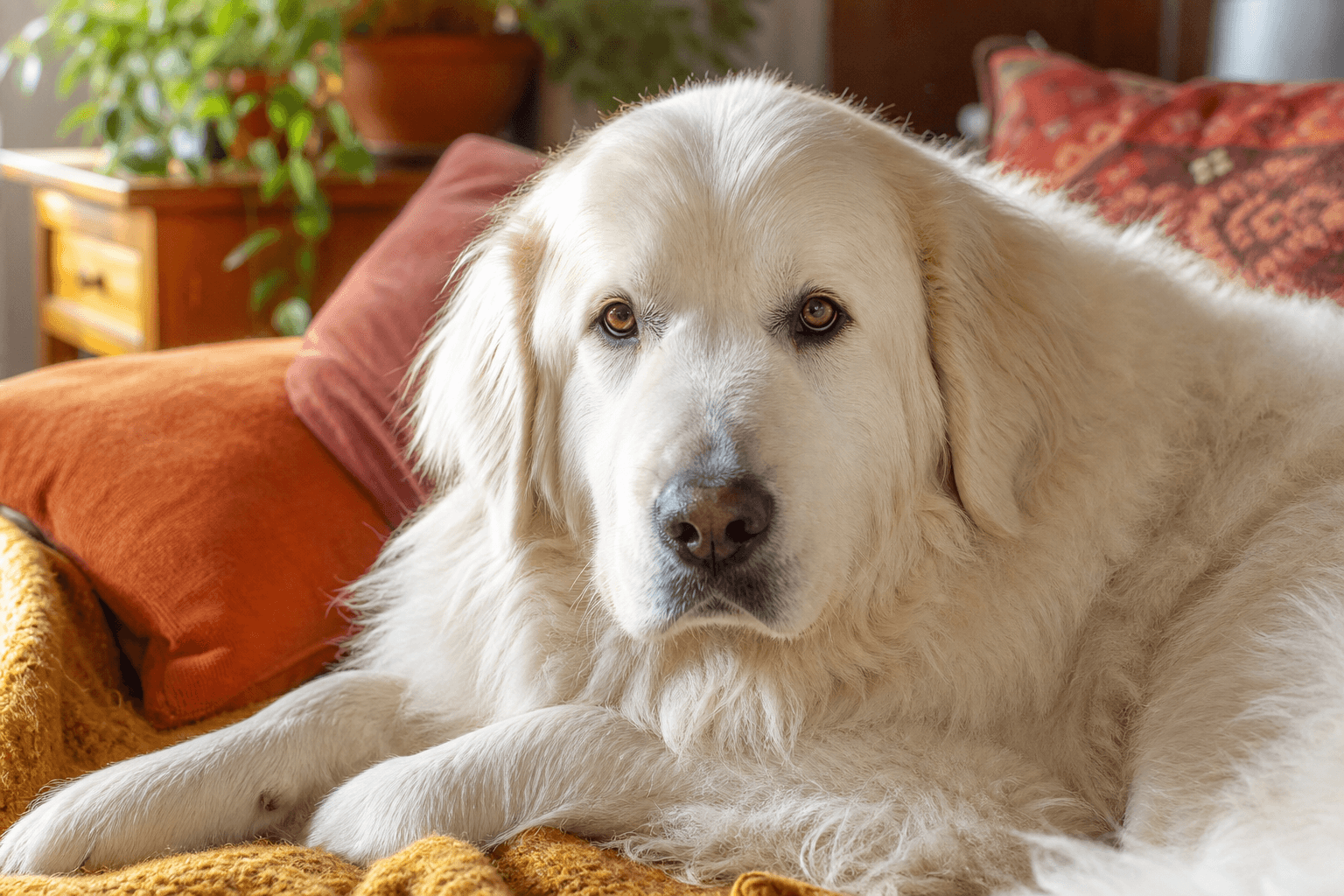
You fell for the cloud-like coat and soulful eyes. We did too.
Before you bring home a Great Pyrenees, here are the truths we wish we knew on day one.
This is the quick, experience-backed guide to living happily with a Pyr — for you and for them.
1. They Are Guardians First, Pets Second
Great Pyrenees were bred to think for themselves on a mountain with sheep and no human in sight.
That heritage shows up at home as steady, watchful behavior and a strong need to make their own calls.
If you want a shadow that obeys instantly, this is not your breed. If you want a partner with judgment, you will love them.
2. The Size Is Not “Large,” It’s Livestock-Large
Adult males often top 100 pounds; females aren’t far behind.
Doorways, cars, crates, and your budget need to match. Vet meds, flea prevention, and food scale with body weight.
Height
25–32 inches at the shoulder is common
Weight
Typically 85–120+ pounds
Leash Reality
You need equipment and training before adolescence
Travel Fit
SUV space, sturdy ramp, and cooling plan
3. Night Barking Is a Feature, Not a Bug
Pyrs bark to announce and deter — especially after dark.
You can reduce it with indoor sleeping, sound masking, and routine, but you will not eliminate it entirely.
4. Fencing Must Be High, Solid, and Locked
They patrol. If your fence is climbable or diggable, they will test it.
Plan on a 6-foot fence with secure latches and dig barriers along the base.
5. Independent Intelligence Changes Training
Pyrs learn quickly but ask, Why should I?
Use short sessions, high-value rewards, and jobs that make sense — boundary walks, place stays, and calm greetings.
Training rules that stick
- Pay for calm.Reward quiet observation more than flashy sits.
- End while it works.Three great reps beat twenty sloppy ones.
- Proof the recall.Teach an emergency recall for safety, not perfection.
6. Exercise Needs: Moderate Miles, Major Patrols
They are not marathon runners. They are purposeful strollers with opinions.
Two relaxed walks plus a daily yard patrol and brain work (scent games, chew time) keeps most adults content.
Meet the coat you will definitely wear.
7. The Double Coat Is Self-Cleaning — But Sheds
Dirt falls off when dry, but undercoat blows seasonally in impressive drifts.
Weekly slicker brushing, a rake during shed season, and nails every 2–3 weeks are your basics. Bath only when needed; overbathing strips oils.
8. Cold Lovers, Heat Needs Management
They thrive in cold and can overheat in warm, humid climates.
Provide shade, cool water, early/late walks, and avoid shaving the double coat — it insulates from heat and sunburn.
9. Calm With Family, Wary With Strangers
Expect gentle loyalty with kids they know and polite suspicion toward newcomers.
Early, steady socialization teaches them what is normal in your world without pushing them to be social butterflies.
They are naturally protective, not aggressive. Proper socialization channels that protectiveness into calm judgment.
Mental work and clear jobs matter more than sheer miles for this breed.
10. Often Excellent With Cats and Stock (With Guidance)
Many Pyrs live peacefully with cats, chickens, and goats because the guardian instinct generalizes.
That said, supervise introductions and prevent chasing early. Reward calm investigation and settled behavior.
11. Slow, Careful Growth Prevents Joint Issues
Choose a large-breed puppy formula to control calcium and growth rate.
Keep them lean, measure meals, and avoid forced exercise and repetitive jumping during the first 18 months.
12. Big-Dog Health: Hips, Knees, Bloat
Know the common risks: hip and elbow dysplasia, cruciate tears, entropion, and gastric dilatation-volvulus (bloat).
Ask breeders for OFA or PennHIP results and eye exams. Discuss bloat prevention and emergency signs with your vet.
13. Space Matters More Than Steps
A big, secure yard suits a Pyr far better than a busy urban apartment.
If you live in the city, commit to quiet routes, management for barking, and extra training on elevators and lobbies.
14. Neighbors, Noise, and HOA Reality Checks
Check local noise ordinances, fencing rules, and weight limits before you fall in love.
Proactively introduce your Pyr to neighbors and share your plan for night routines and containment.
- Noise plan (white noise, indoor nights, training cues)
- 6-foot privacy fence with dig guard
- Large-breed vet and emergency clinic mapped
- Slow-growth diet and feeding schedule
- Apartment with thin walls and no yard
15. The Commitment Is Deep — and Worth It
When a Great Pyrenees decides you are their flock, you get a calm, loyal anchor who watches your world so you can relax in it.
They are not for everyone. But if their needs match your life, the bond feels ancient and steady — because it is.
Yes, if you value calm over compliance, can handle barking and shedding, and commit to secure fencing and thoughtful training. Otherwise, consider an easier breed.
They thrive with purpose: boundary walks, supervised yard time, watchful “place” during family activity, and scent or chew work.
Less than you think for their size. Quality matters more than volume; aim for lean condition where you can feel ribs under a light layer.
Yes, with management: shade, AC access, cool walks, and never shaving the double coat. Monitor closely for heat stress.
Most settle into their steady adult temperament around 2–3 years, with adolescence (8–24 months) being the bounciest period.