15 Things to Know Before Getting a German Shorthaired Pointer
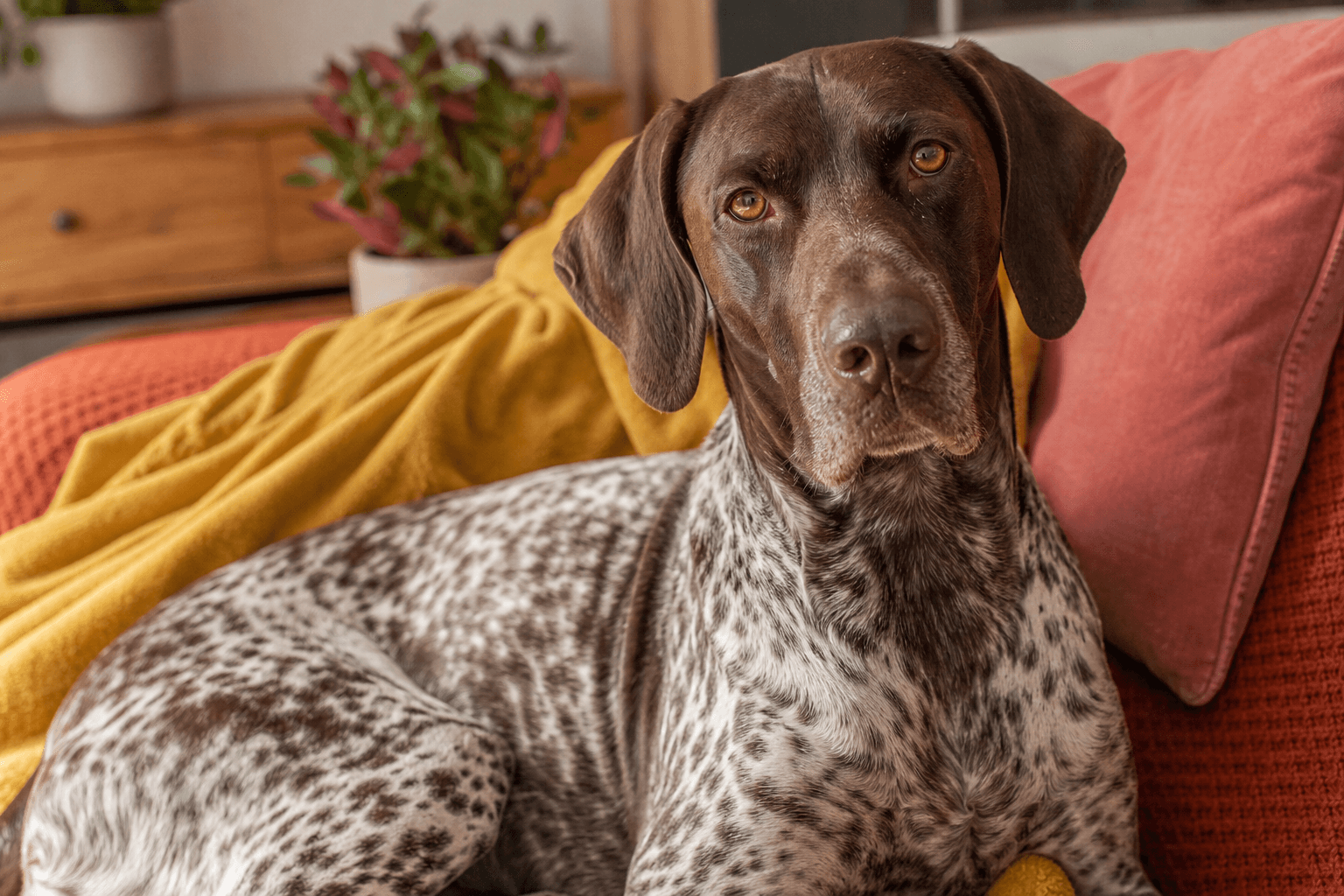
You saw that sleek, athletic dog and thought: that could be my adventure buddy.
You are right — and also in for a ride if you are not ready.
Here are the things we wish we knew before bringing home a German Shorthaired Pointer, so you can skip the surprises and enjoy the fun sooner.
1. Exercise Is a Non‑Negotiable (and Then Some)
GSPs are field-bred athletes. A stroll around the block will not take the edge off.
Plan on 90–120 minutes of daily activity split between brisk walks, structured fetch, trail runs, or bike-joring at safe speeds.
2. They Are Brilliant — and Boredom Is the Enemy
They learn fast, including your bad habits. Mental work matters as much as cardio.
Brain games
Scent boxes, hide-and-seek with treats, place training between fetch reps.
Daily structure
Short training bursts (3–5 minutes) before meals and outings keep minds busy.
3. Prey Drive Is Real
Birds, squirrels, rabbits — your GSP will notice first and react fast.
Use a front-clip harness early, reinforce check-ins, and practice impulse control around wildlife from day one.
4. Off‑Leash Freedom Takes Serious Work
Reliable recall is possible, but it is earned, not assumed.
Start in low-distraction areas, add a long line, and proof against birds and running dogs before trusting freedom.
They are bred to range and focus on game. Recall is a trained behavior that must beat strong instincts.
5. Apartment Living Is Possible, but Demanding
Yes, if you are active and consistent.
Expect multiple outings daily, a flirt pole session, stair sprints, and quiet crate time after workouts.
Energy managed outside equals calm inside
6. Velcro Dog Tendencies
Most GSPs want to be near you. It is sweet — until it turns into separation issues.
Normalize short absences, use food-stuffed toys, and teach settle on a mat so independence grows with age.
7. Great With Kids — With Structure
They are affectionate and goofy, but high energy can bowl toddlers.
Supervise, teach gentle greetings, and channel zoomies into fetch before family time.
- Rehearse calm door greetings on leash
- Let kids climb or hug tightly
- Park the dog on a mat during meals
- Free-for-all play when the dog is amped
8. Early Training Pays Off for Life
Focus on come, heel, place, leave it, and settle. These five cues solve 90 percent of problems later.
Daily training rhythm
- Before walksSit, eye contact, and release — builds impulse control.
- During walksName recognition and check-ins every 20–30 seconds at first.
- After exercisePlace and settle for 5–10 minutes to cap arousal.
9. Low Grooming, High Shedding
Short coat, minimal mats, but those tiny hairs weave into everything.
Weekly rubber curry brushing, a quick wipe-down after muddy runs, and a lint roller stash in your car keep it sane.
10. Health Watchouts to Budget For
Common concerns include hip dysplasia, elbow dysplasia, bloat (gastric dilatation-volvulus), and tick-borne diseases if you hike.
11. Weather: Built for Action, Not Extremes
They run hot when moving and chill fast when still.
Use a lightweight cooling vest in summer shade breaks, and a snug coat for sub-freezing, low-activity days.
12. They Crave a Job
Hunting is not mandatory, but purpose is.
Great outlets
Field training, tracking, canicross, agility, dock diving, advanced fetch with place.
At home
Meal puzzles, sniffari walks, and toy rotations keep the brain satisfied.
13. Fences and Microchips Are Musts
A 6-foot physical fence is your friend. Invisible fences can fail when a bird flushes and instinct takes over.
Double-check collars, ID tags, and microchip registration before your first off-leash training session.
14. Travel and Lifestyle Fit
They are stellar road-trip dogs if they get their runs.
Book pet-friendly stays near trails, pack a crate for hotel calm, and schedule exercise before long drives.
Pros
Why we love them
- Endless stamina for adventures
- Affectionate, people-focused companion
- Smart and trainable with clear structure
Cons
Real challenges
- High daily exercise and mental work needs
- Shedding needles into clothing and car
- Strong prey drive requires management
15. The True Cost of a GSP
The adoption or breeder fee is the small part.
Annual Cost Breakdown
| Expense | Annual Cost |
|---|---|
| Quality food | $600–$900 |
| Preventatives and vaccines | $300–$500 |
| Pet insurance (optional) | $500–$900 |
| Training classes/sport fees | $200–$800 |
| Gear (harnesses, long lines, boots, vests) | $150–$400 |
| Est. Annual Total | $1,750–$3,500+ |