15 Things to Know Before Getting a Budgie
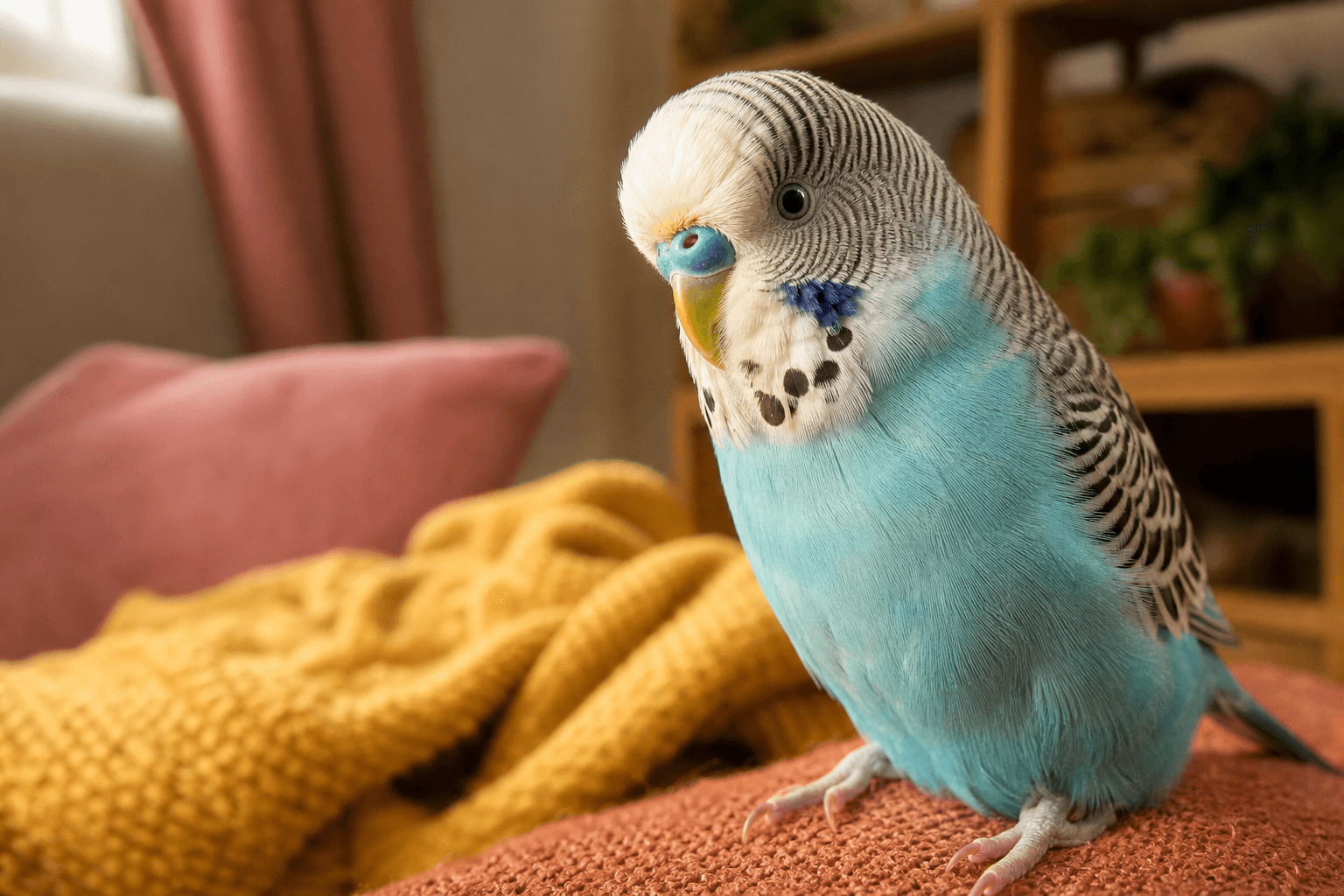
You clicked because you want the real scoop before a tiny parakeet steals your heart — and your mornings.
Weve kept budgies for years, and these are the things we wish someone had told us on day one.
Read this first, set up right, and youll skip the common mistakes and enjoy a friendlier, healthier bird.
1. Budgies Are a Real Commitment
Budgies are small, but their needs arent. Youre signing up for daily interaction, fresh food and water, and regular cage maintenance.
Plan on years, not months. With good care, many live 7–10 years, and some longer.
2. They Are Not Silent Pets
Budgies chatter, beep, and practice contact calls — especially at dawn and dusk.
Their voices are bright and frequent rather than thunderous. If you need library-level quiet, rethink.
3. Cage Size Matters More Than You Think
Horizontal space beats height because budgies fly side to side.
As a practical floor, think roughly 30 inches wide for one bird, larger for two, with bar spacing around 1/2 inch.
4. Seed Alone Is Not a Complete Diet
All-seed diets are like feeding kids only cereal. You need variety.
We rotate a quality pellet as the base, add a small measured seed mix, and offer chopped greens and veggies daily. Fruits are treats.
Good daily adds
Leafy greens, bell pepper, carrot, broccoli, herbs
Go easy on
Millet sprays, sunflower seeds, fruit, salty or fatty foods
5. Taming Takes Patience and Routine
Trust is built in teaspoons, not buckets. Start with your hand near the cage, talk softly, and pair presence with treats.
Progression looks like: take treats through bars, step-up on a perch, then step-up on a finger. Short, consistent sessions win.
Once trust grows, life outside the cage gets richer
6. Daily Out-of-Cage Time and Enrichment
Even with a great cage, budgies need safe flight time and brain work.
We rotate toys weekly, scatter-feed a portion of pellets in a foraging tray, and hang paper and balsa they can shred.
- At least 45–90 minutes supervised out-of-cage time
- Rotate perches and toys weekly to prevent boredom
- Skip mirror-only cages; encourage real interaction instead
- Leave them out unsupervised
7. One Budgie vs. Two
One bird bonds more to you but needs more of your time. Two keep each other company, but may be less interested in training.
If you choose a pair, tame individually first, then house together.
8. They Need 10–12 Hours of Dark, Quiet Sleep
Overtired budgies get cranky, bitey, and noisy. We use a light cover or a quiet spare room and stick to a consistent lights-out.
Skip late-night TV right next to the cage; flicker and sound disturb them.
9. Avian Vets and Preventive Care
Find an avian vet before you need one. Not all vets see birds.
Annual wellness checks, nail trims, and fecal screenings catch problems early. Budgies hide illness; any puffed, quiet, or off-food bird needs prompt care.
10. Household Dangers to Bird-Proof
Teflon and other nonstick fumes, scented candles, aerosols, nicotine, and self-cleaning ovens can be deadly to birds.
Ceiling fans off, windows and doors secured, no access to toxic houseplants or standing water. Supervise like you would a toddler who can fly.
11. Molting Is Messy but Normal
Expect little feathers and pinfeathers a few times a year. Tempers can be short when pins are tender.
Offer baths or misting, extra quiet perches, and good nutrition. Avoid heavy handling if they protest.
12. Sexing and Personality Nuances
In adults, the cere above the beak is usually blue in males and tan to brown in females, with exceptions in some color mutations.
Personalities vary more by individual than sex, but females can be more territorial; males often chatter more.
13. Lifespan and Long-Term Costs
Budget for a proper cage, toys you will replace, pellets and produce, and occasional vet bills.
Annual Cost Breakdown
| Expense | Annual Cost |
|---|---|
| Pellets and seed | $80–$150 |
| Fresh produce | $80–$180 |
| Toys/perches (replacements) | $60–$150 |
| Avian vet (annual exam) | $80–$200 |
| Est. Annual Total | $300–$680+ per year (after setup) |
14. Cleaning Is a Routine, Not a Chore
Five minutes daily beats a weekend slog. We change paper, wipe perches and bars, and refresh bowls each morning.
Deep clean monthly: wash the tray, scrub perches, rotate and retire worn toys.
15. Travel and Boarding Realities
Budgies prefer stability. Travel means a secure carrier, climate control, and quiet lodging. Many hotels dont allow birds.
When we must leave, a trusted pet sitter who understands birds works better than a noisy boarding room.
Some do, especially males, but clear speech is a bonus, not a guarantee. Gentle daily interaction raises your odds.
We like 10–12 weeks and fully weaned. Avoid unweaned babies; hand-feeding errors can be fatal.
Room temperatures around 65–80°F with no drafts work well. Sudden swings stress them.
Sometimes, with quarantine and slow introductions, but species mixing is risky. Many keep budgies in budgie-only groups.
Offer a shallow bath or gentle mist 2–4 times a week and let them choose. Never force it.