15 Things to Know Before Getting a Bengal Cat
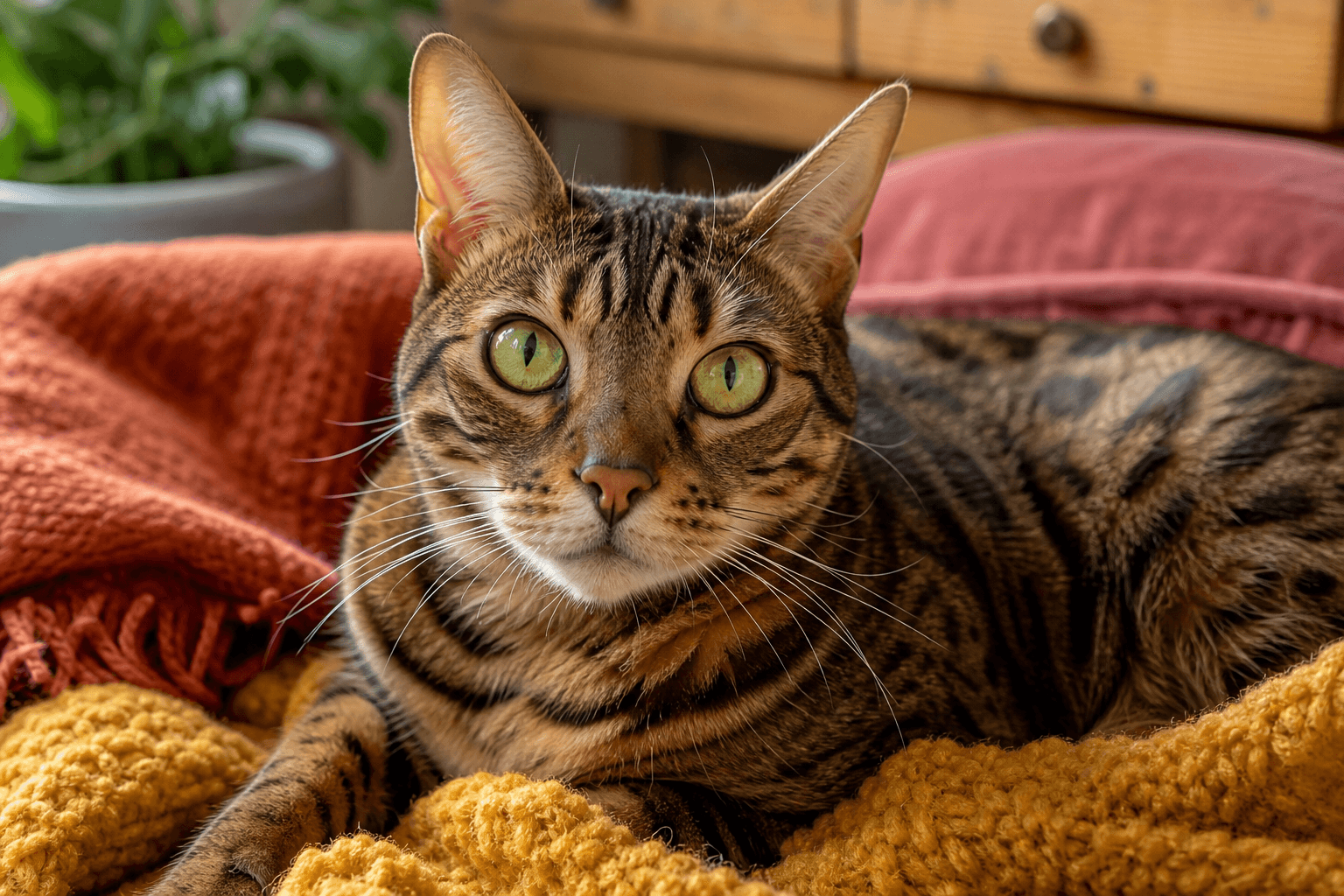
You saw that stunning rosetted coat and thought: is a Bengal the one?
Here are the things we wish someone told us before we brought ours home — the fun, the chaos, and the must-do prep.
Skim first, then decide with confidence.
1. They Are Athletes, Not Lap Ornaments
Bengals are built like spring-loaded panthers. Most need vigorous daily play, not a lazy-window-sun kind of life.
Think two or three structured play sessions, 10–15 minutes each, with sprints and jumps.
2. Brainy — and Bored Fast
They solve problems you didn’t know you had: door levers, cabinets, puzzle feeders.
Rotate toys weekly and introduce food puzzles to give that big brain a job.
Great mental work
Forage mats, puzzle feeders, treat balls, scent games
Rotate, don’t hoard
Keep 4–6 toys out; swap sets every few days to keep novelty high
3. Expect Conversations (Lots)
Many Bengals are talkative with trills, chirps, and assertive meows.
Respond to needs, but don’t reinforce demand yelling. Reward quiet moments and calm check-ins.
4. Play Is High-Impact, Not Dainty
Feather wands and lure toys are your best friends. Laser pointers? Fine to chase, but always end with a tangible catch to avoid frustration.
They can overshoot. Clear fragile shelves before the zoomies hit.
Build up, not out
5. They Need Vertical Real Estate
Wall shelves, tall trees, window perches — Bengals use height to patrol and decompress.
Create at least two climbable routes so one cat can bypass another without a showdown.
6. Many Love Water
Dripping faucets, fountains, even showers fascinate them.
Secure toilet lids and electronics. A stainless fountain often reduces counter-splash tourism.
7. They Crave Company
Left alone all day, a Bengal may invent redecorating projects. They fare best with a human who’s around or a compatible feline buddy.
8. With Dogs and Other Cats: It Depends
Many Bengals live happily with cat-savvy dogs and playful cats, but introductions must be slow.
Intro basics
- Scent firstSwap blankets and rooms before face-to-face.
- Gate and plateFeed on opposite sides of a barrier to build positive associations.
- Short sessionsIncrease exposure gradually; end on a calm note.
9. Strong Prey Drive
Bengals excel at catching things. Secure small pets and block access to vents and gaps.
Use wand toys that let them stalk, chase, pounce, and bite — then let them keep the “prey” a moment.
10. Low Shedding, Not No Maintenance
The pelt-like coat sheds lightly, but weekly brushing keeps it glossy and reduces hair on clothes.
Trim nails every 2–3 weeks and provide sturdy scratchers (vertical sisal and a horizontal option).
11. Trainable — Harness, Tricks, and More
Clicker training works beautifully. You can teach sit, target, spin, and even harness walking.
Start indoors, use tiny food rewards, and keep sessions under two minutes.
Registered Bengals are domestic cats; many love training when it’s short and rewarding.
With a secure H-style or escape-proof harness and acclimation, many Bengals enjoy safe outdoor time.
12. Health: What to Screen and Budget For
Reputable breeders screen for HCM via echocardiograms, and for PK-def and PRA-b. Ask for proof.
Common concerns: dental disease, HCM risk, and occasional GI sensitivity. Pet insurance can help with surprise costs.
Annual Cost Breakdown
| Expense | Annual Cost |
|---|---|
| Quality food + toppers | $500–$900 |
| Litter + supplies | $200–$350 |
| Preventatives + wellness | $250–$500 |
| Insurance (optional) | $300–$600 |
| Toys/trees/replacements | $200–$600 |
| Est. Annual Total | $1,450–$2,950/yr |
13. Know the Laws and Housing Rules
Some regions restrict early-generation Bengals (F1–F4). Most pet Bengals are SBT (several generations removed) and legal — but verify your city, state, and lease before you fall in love.
14. Choosing an Ethical Breeder or Rescue
Look for TICA/CFA-registered breeders who welcome visits, show health testing, and send kittens home after 12–14 weeks with contracts and socialization.
Rescues and breed-specific groups also place adult Bengals — a great option if you want to skip kitten intensity.
- Health testing proof (HCM echoes, PK-def, PRA-b)
- Early spay/neuter and microchip disclosed
- Kittens offered at 8 weeks
- No contract or take-back policy
15. Lifestyle Fit Check
If you love interactive play, don’t mind a chatty shadow, and can Bengal-proof shelves, you’ll adore this breed.
If you want a low-energy lap cat, this won’t be a fair match — and that’s okay.