15 Things to Know Before Getting a Bearded Dragon
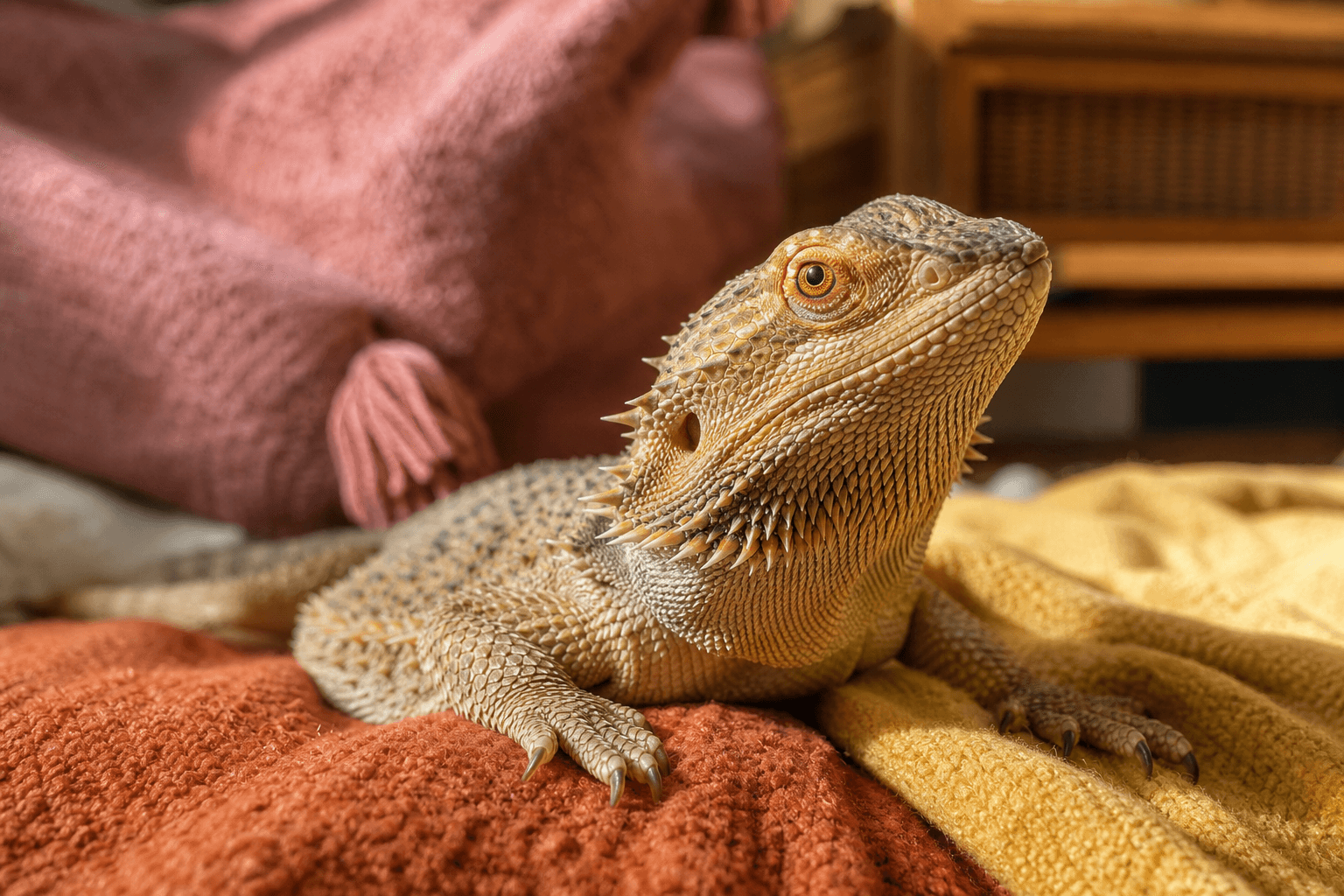
You love their calm eyes and gentle vibe, but you also want the real commitment—no surprises.
Here are the exact things we wish someone told us before we brought our first beardie home.
Skim it now, save hours (and vet bills) later.
1. They Can Live 10+ Years
Healthy bearded dragons often reach 8–12 years, sometimes longer with excellent care.
This is a long-term commitment to heat, light, food, and space—even during life changes.
2. They Get Bigger Than You Think
Adults commonly reach 18–24 inches nose to tail, with sturdy bodies and powerful claws.
That adorable baby outgrows beginner kits in months; plan adult-sized from day one.
3. A 120-Gallon Enclosure Is Ideal
For an adult, aim for roughly 4 ft by 2 ft by 2 ft. Bigger gives safer temperatures, more enrichment, and easier maintenance.
Front-opening enclosures make handling and cleaning smoother than top-open tanks.
Must-Haves
Secure lid/doors, good ventilation, tight-fitting lights, easy-to-clean surfaces.
Nice-to-Haves
Background for security, climbing branches, basking rocks, varied hides.
4. Heat Gradient Is Non-Negotiable
Provide a basking spot around 100–107 F for adults and a cool side near 75–85 F, with ambient daytime temperatures in between.
Use a dome heat source for basking and measure with a digital probe thermometer at the surface—stick-on dials are unreliable.
5. UVB Lighting Is a Lifeline
Full-length T5 HO UVB tubes (10–12%) mounted inside the enclosure provide reliable exposure.
Replace bulbs every 10–12 months or per manufacturer and give a shaded retreat so your dragon can self-regulate.
6. Choose Safe Substrates
Loose sands can be risky if ingested, especially with juveniles or incorrect husbandry.
We like textured tile, sealed slate, or non-adhesive shelf liner for easy cleaning and good traction. If you use bioactive, research deeply and start with an adult.
7. Diet Changes With Age
Juveniles eat more insects; adults eat more greens. By adulthood, aim for roughly 70–80% vegetables and 20–30% insects, adjusting to body condition.
Offer staple greens like collard, mustard, dandelion, turnip greens, and squash. Avoid lettuce with little nutrition.
Feeding details that prevent picky-eater battles
8. Calcium and D3 Matter
Dust insect feeders with plain calcium most feedings for juveniles, a few times weekly for adults.
Use a multivitamin once weekly. If your UVB is correct, choose calcium without D3 most of the time to avoid excess.
9. Hydration Takes Intention
Beardies often do not drink from bowls consistently.
Offer rinsed, moist greens, occasional warm soaks, and gentle water drops on the snout. Keep humidity moderate—roughly 30–40%—to avoid respiratory issues.
10. Handling Is Easy—With Boundaries
They tolerate handling well when you support the chest and pelvis and let the tail rest on your forearm.
Move slowly, no sudden grabs from above, and keep sessions short at first. Wash hands before and after.
- Support the whole body, not just the belly
- Let them choose to climb onto your hand
- Grab from above like a predator
- Handle daily during shedding or stress
11. They Communicate With Body Language
Head-bobbing, arm-waving, beard-darkening, and glass-surfing mean different things.
Dark beard plus gaping can signal stress or overheating; slow arm waves are often submission. Watch patterns, not single moments.
12. Cleaning Is Real Work
Spot clean daily, deep clean monthly. Tile and slate simplify life; paper towels under feeding stations save scrubbing.
Use reptile-safe disinfectants, rinse well, and fully dry before reheating and returning your dragon.
13. Startup and Annual Costs Add Up
Initial setup with proper enclosure, UVB, heat, timers, and decor often costs more than the lizard.
Annual Cost Breakdown
| Expense | Annual Cost |
|---|---|
| Initial enclosure + lighting | $300–$700+ |
| Thermometers/hygrometer/timers | $40–$120 |
| Insects and greens (annual) | $300–$600 |
| Bulb replacements (annual) | $40–$120 |
| Vet check + fecal (annual) | $80–$200 |
| Est. Annual Total | $760–$1,740+ first year |
14. Common Health Issues to Watch
Metabolic bone disease stems from poor calcium or UVB. Early signs: soft jaw, tremors, weak grip.
Also watch for respiratory infection (wheezing, mucus), parasites (loose, smelly stools, weight loss), and impaction (straining, lack of appetite). A reptile-experienced vet is worth finding now, not later.
Heat rocks can cause burns. Overhead basking with a gradient is safer and more natural.
UVB drives vitamin D synthesis and calcium use. Supplements alone cannot replace proper UVB exposure.
In captivity, diet and temps change ingestion risk. Many keepers choose solid substrates for safety and cleanliness.
15. Travel Plans Get Complicated
They do best with consistent heat, light, and feeding schedules—hotel hops rarely allow that.
Line up a reptile-savvy sitter or have a backup enclosure at a trusted friend’s place. Power outages? Keep a spare heat source and extension cord ready.
With regular spot cleaning and a solid substrate like tile, odor is minimal. Strong smells often signal cleaning is overdue or there is a health issue.
Co-housing is risky. Stress, fighting, and resource guarding are common—even between females. House separately.
Juveniles: insects 1–2 times daily plus greens. Adults: insects 2–4 times weekly with daily greens. Adjust to body condition and activity.
A basking heat lamp on a timer for daytime and a T5 HO UVB tube spanning 50–70% of the enclosure. No lights at night unless your room gets very cold.
A seasonal slowdown where appetite and activity drop. Provide proper temps and hydration, monitor weight, and consult a reptile vet if unsure.