15 Things to Know Before Getting a Ball Python
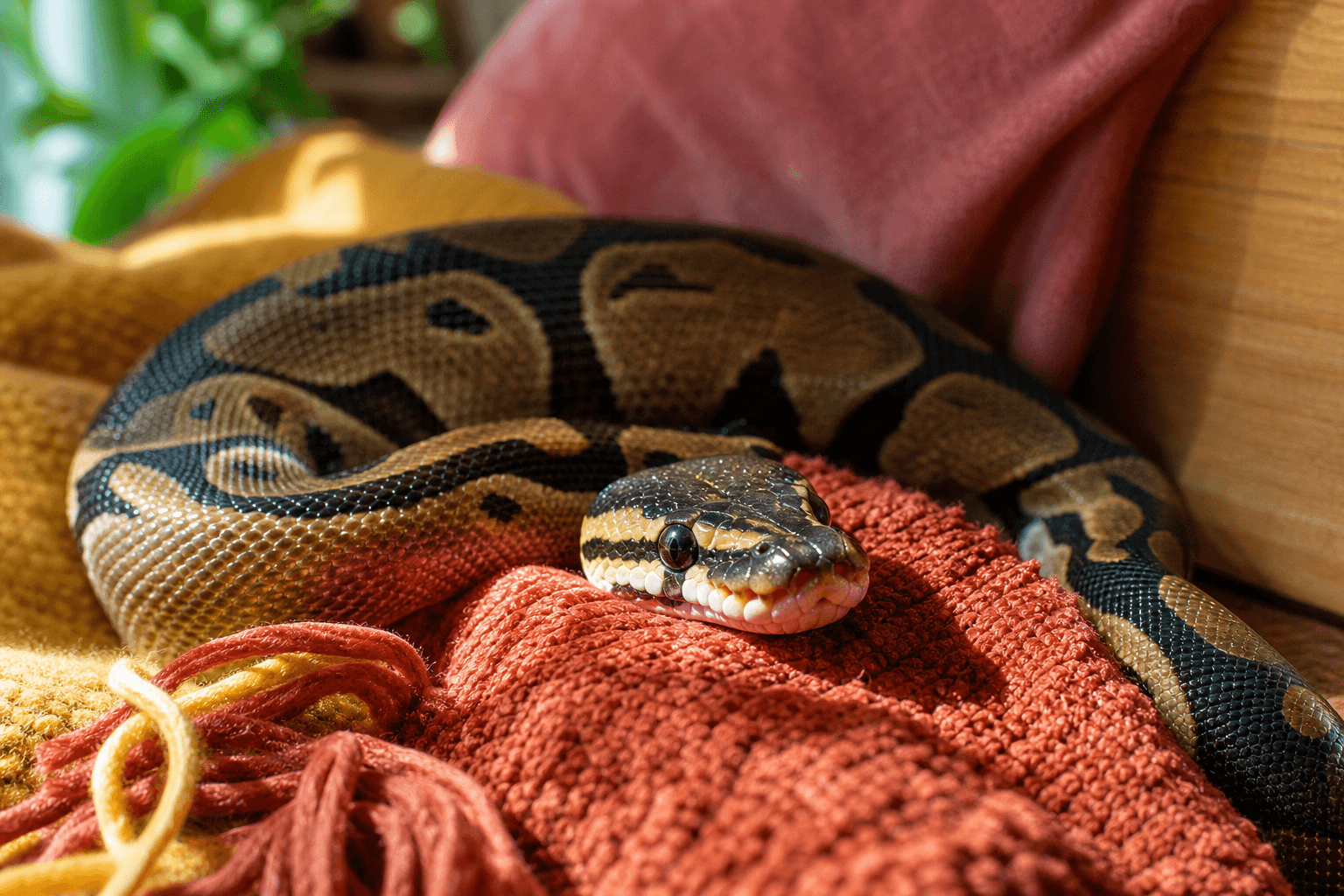
You love their calm vibe and beautiful patterns. Same here.
Before you bring one home, there are a few make-or-break details that separate a smooth first year from constant guessing.
Here are the 15 things we wish every new ball python keeper knew on day one.
1. It is a Long, Real Commitment
Ball pythons commonly live 20 to 30 years with good care, sometimes longer.
That means stable housing, power for heat, and a plan for vacations and moves. If you can’t picture your life two decades from now, pause and plan.
2. Adults Are Bigger Than You Think
Most adults reach about 3 to 4.5 feet, with thick bodies.
They are not giant, but they are not tiny either. Plan for a secure, spacious enclosure from the start instead of serial upgrades.
3. The Enclosure Needs Floor Space, Not Height
These are terrestrial, secretive snakes. Prioritize horizontal room over climbing height.
A commonly recommended minimum for an adult is around a 4-foot by 2-foot footprint. Secure lids and escape-proof latches are mandatory.
Good picks
PVC enclosures or well-sealed glass with a solid top for humidity control.
Watch-outs
Mesh tops without cover, loose screens, and drafts will crash humidity and heat.
4. Warm Side, Cool Side, and a Night Drop
Create a gradient: warm hide around 88-92°F, cool hide around 76-80°F.
Use a thermostat on all heat sources to prevent burns. A gentle nighttime dip of a few degrees is normal and healthy.
5. Humidity Matters—Too Low Causes Shed Issues
Target roughly 55-65 percent humidity, a touch higher during shed.
Dry, stuck shed and eye caps signal humidity problems. Partially cover screens, use moisture-retaining substrate, and add a humid hide if needed.
6. Choose a Safe, Humidity-Friendly Substrate
Coco husk, cypress mulch, or a coco/soil mix hold humidity well and reduce dust.
Avoid aromatic softwoods. Spot-clean weekly and do periodic deeper refreshes to keep bacteria and mites at bay.
7. Tight Hides are Non-Negotiable
Provide at least two snug hides—one on the warm side and one on the cool side.
They should feel like a cave, not a garage. A snake that feels safe is a snake that eats and explores.
Once the home is right, feeding gets easy.
8. Feeding Routine: Size, Schedule, and Patience
Offer prey that’s about the same width as the snake’s widest point (or slightly smaller).
Hatchlings often eat every 5-7 days; juveniles weekly; adults every 10-14 days. Skip handling for 48 hours after meals to prevent regurgitation.
9. Frozen-Thawed is Best for Most Keepers
It’s safer for your snake and more humane for the rodent.
Thaw completely, warm the head end to about warm-to-the-touch, and use tongs to offer. Never microwave; use sealed bags in warm water.
10. Handling: Short, Gentle, and Not After Meals
Support the body with two hands and let the snake move through your fingers.
Limit early sessions to a few calm minutes. Avoid handling 48-72 hours after feeding and during a blue (pre-shed) phase.
11. They Can Be Picky Eaters (Don’t Panic)
Seasonal fasting is normal for some adults, especially males.
Check husbandry first: temps, hides, and stress. Try offering at dusk, changing prey scent, or skipping a week. Document dates to spot patterns.
Healthy adults can fast for weeks or even months; weight stability and good body condition matter more than a single refusal.
Oversized prey increases regurgitation risk and stress. Proper husbandry and patience work better.
12. Red-Flag Health Checks
Wheezing, open-mouth breathing, bubbles at the nostrils, or frequent soaking can indicate respiratory issues or mites.
Look for stuck shed on eyes and tail, and check the mouth for cheese-like buildup that suggests mouth rot. A reptile vet beats guesswork every time.
- Clear eyes (unless in shed) and quiet breathing
- No clicking, bubbles, or gaping
- Consistent weight and muscle tone
- Clean vent, no swelling or discharge
13. Real Costs Add Up Beyond the Snake
The enclosure, heat, thermostat, hides, substrate, and a temp/humidity monitor often cost more than the animal.
Ongoing costs include feeders, bulbs or heat panels, substrate, and occasional vet care. Budgeting keeps you from cutting corners.
Annual Cost Breakdown
| Expense | Annual Cost |
|---|---|
| Frozen-thawed feeders | $120-$250 |
| Substrate and cleaning supplies | $80-$150 |
| Electricity for heat | $60-$150 |
| Replacement bulbs/panels/thermostat (amortized) | $40-$120 |
| Annual wellness/contingency | $100-$250 |
| Est. Annual Total | $400-$900+ |
14. Morphs are Tempting—Research for Health
Some morphs are linked with issues like wobble or reduced viability.
Read breeder notes, ask direct questions, and watch the snake move before buying. Temperament and feeding history beat looks every time.
15. Buy Captive-Bred From a Reputable Source
Captive-bred ball pythons are typically healthier, parasite-free, and already eating frozen-thawed.
Ask for records: hatch date, sheds, feedings, and weight. A good seller is transparent and encourages questions.
A clean enclosure has little odor. Soiled substrate smells; spot-clean promptly and refresh as needed.
Aim for about a 4x2-foot footprint with secure hides on each side, proper heat gradient, and 55-65 percent humidity.
Co-housing is not recommended. Stress, feeding issues, and injury risk go up; keep them separately.
Young snakes shed roughly every 4-6 weeks; adults less frequently. Humidity support during shed helps full, clean sheds.
Verify husbandry, reduce handling, try at dusk, and wait a week. Track weight; see a reptile vet if refusal pairs with weight loss or other symptoms.