15 things to know before getting a Northern Inuit Dog
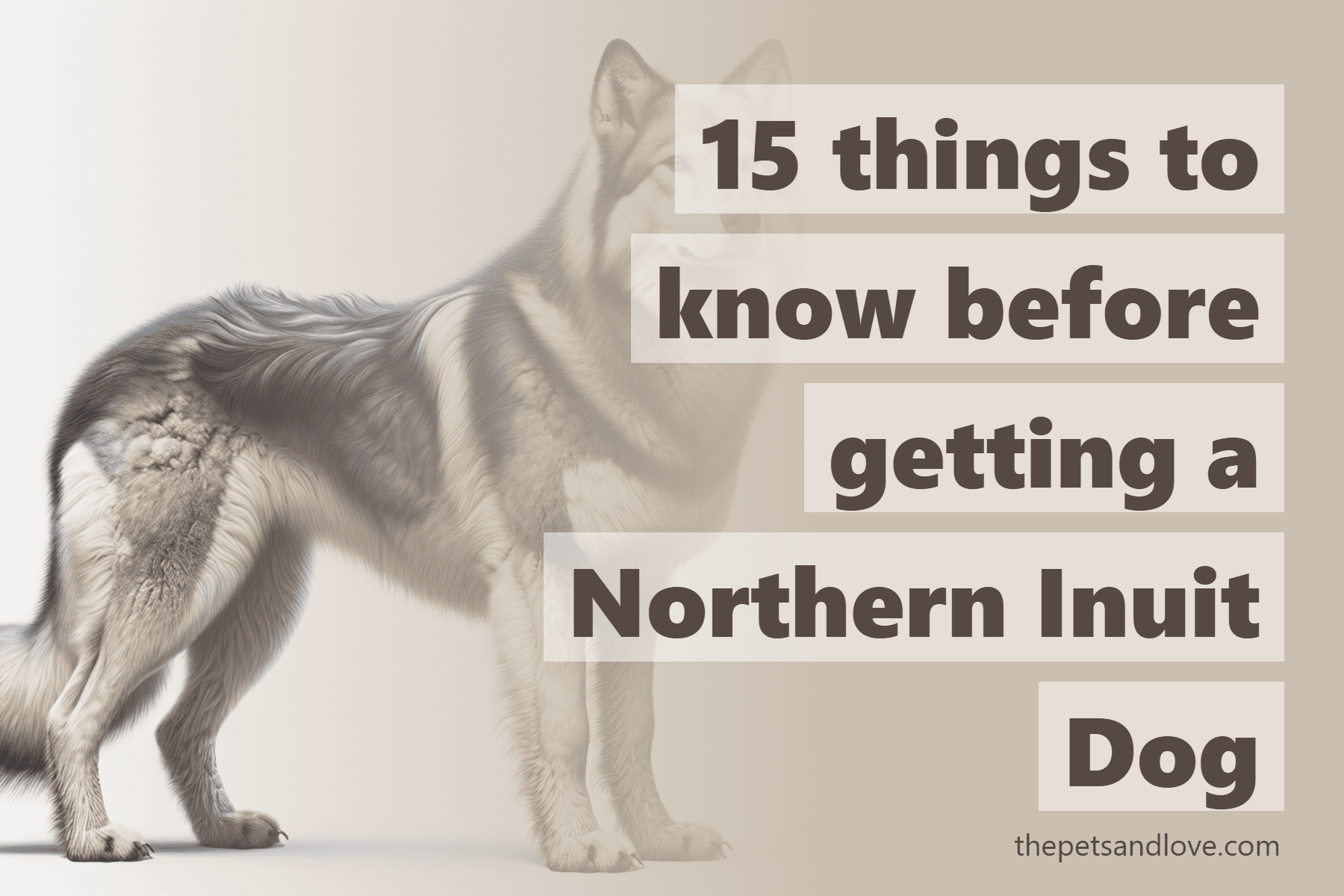
The Northern Inuit Dog looks like it just padded off the set of a fantasy epic — and it did. But behind those wolfish looks is a big, goofy softie who wants nothing more than to follow you from room to room.
Thinking about bringing one home? Smart move to read first.
Because this breed is stunning, loyal, and deeply rewarding — but it's absolutely not for everyone.
Below are the 15 things you really need to know before you fall for that face.
They Look Like Wolves — But They're Big Softies
Yes, these were the Direwolves in Game of Thrones. And yes, the upright ears, long muzzle, and thick double coat are pure wild-canine drama.
But here's the twist: there's no recent wolf DNA in them at all.
The Northern Inuit is a deliberate mix of breeds like the Husky, Malamute, and German Shepherd — bred to look wild but act like a loyal, people-loving companion.
There's no recent wolf ancestry. They're a mix of established domestic breeds bred purely for that wolfish look.
Not really. They're more likely to greet a stranger with a wag than a growl. Their size might make someone think twice — but their instinct is friendliness.
What this means in practice: don't buy one expecting a natural protector. You're getting a sociable sweetheart in a very intimidating costume.
So they look tough. But who are they actually good for?
Great Family Dogs — Just Not for First-Timers
Northern Inuits bond hard. They're affectionate, deeply loyal, and often latch onto one main caretaker like a shadow.
They adore being around people and other dogs. Which sounds lovely — until you leave for the day.
Here's the catch:
Separation anxiety is a genuine issue with this breed. Bored or lonely, they can become destructive fast.
If you're out a lot and don't have a second dog, this may not be your breed. But if you've got the time, the patience, and ideally some dog experience? They'll repay you with total devotion.
Kids
GreatGentle and affectionate with family children.
Other dogs
ExcellentHighly social — often happiest with a canine companion.
Cats & small pets
CautionPrey drive can kick in. Supervision and early socialization are essential.
First-time owners
RiskyTheir needs and stubbornness reward experience.
Ready for the part everyone underestimates?
Training Can Be Tough — Patience Required
These dogs are smart. They're also gloriously stubborn.
That combination means training takes consistency, positive reinforcement, and a whole lot of patience.
One thing to know upfront: they're sensitive. Harsh corrections don't work — even raising your voice can set them back emotionally.
How to train a Northern Inuit
- Start earlyBegin socialization and basic training as a puppy.
- Keep it short and funBrief, upbeat sessions beat long, repetitive ones.
- Reward, don't scoldTreats and praise get results; anger sets you back.
- Get help if stuckA trainer who knows independent breeds is worth every penny.
“They don't respond to being bossed around — they respond to being partnered with.”
Now, about all that gorgeous fur…
They Shed. Like, A Lot.
Let's not sugarcoat this. Northern Inuits are heavy shedders year-round, with dramatic coat blowouts in spring and fall.
Their double coat is thick, waterproof, and genuinely beautiful. It also ends up everywhere — clothes, couch, car, your morning coffee.
2×/year
Major coat blowouts (spring & fall) on top of year-round shedding
- Brush daily to stay ahead of loose fur
- Invest in a strong vacuum
- Expect fur on dark clothing constantly
- Assume this is a "low-shed" dog
Grooming Is Actually Easy (Aside From the Fur)
Here's the upside: the coat mostly takes care of itself.
Natural oils keep it waterproof and dirt-resistant, so baths are only needed when they're genuinely dirty.
Beyond regular brushing, they just need routine nail trims, ear checks, and teeth brushing a few times a week.
Big dog, big exercise bill? Not quite.
Exercise: Not Crazy, But Consistent
You might expect a wolf-sized dog to bounce off the walls. Good news — they don't.
Northern Inuits aren't hyperactive. Two decent walks a day (around 90 minutes total) plus some playtime usually covers it.
They love the outdoors, especially in cooler weather, and some even enjoy a swim. Then they'll happily snooze at your feet.
| Category | Rating |
|---|---|
| Energy level | |
| Trainability | |
| Shedding | |
| Affection | |
| Guard instinct |
What about their health long-term?
Health: Generally Good, With a Few Watch-Outs
This is a relatively healthy breed with a solid lifespan of 12–15 years.
Still, like all dogs, they can be prone to certain issues.
Hip & elbow dysplasia
Joint conditions worth screening for, especially in a larger breed.
Eye problems
Have a reputable breeder confirm eye health in the lines.
Dwarfism (rarer)
Uncommon, but a known consideration in the breed.
Epilepsy (rarer)
Occasionally seen; another reason to choose careful breeding.
A couple of practical realities before you commit.
Climate, Noise & Small Pets
Best in Cold Climates
That dense double coat means they're happiest when it's cool.
They can tolerate heat, but it's not ideal. On hot days, keep them indoors with AC and skip midday walks. Come winter, they truly thrive.
Not Ideal with Small Pets
They're usually wonderful with kids and other dogs. But their prey drive can flip on around cats, rabbits, or birds.
Early socialization helps — but supervision is still non-negotiable.
They Howl, Not Bark
One last quirk: Northern Inuits are far more likely to howl than bark.
For some owners, it's part of the charm. But if you have close neighbors or need a quiet household, it's worth thinking through.
Still a Rare, Specialty Breed
The Northern Inuit is still considered a hybrid and isn't officially recognized by major kennel clubs like the AKC.
The Northern Inuit Society is working toward that. For now, though, expect finding a reputable breeder to take some effort.
Pros
Why you'll love one
- Deeply loyal and affectionate
- Great with kids and other dogs
- Stunning, wolf-like looks
- Moderate, manageable energy
- Generally healthy, long-lived
Cons
What to be ready for
- Sheds heavily all year
- Prone to separation anxiety
- Stubborn and slow to train
- Not great with cats or small pets
- Prefers cool climates; howls a lot
Quick poll
After reading, is the Northern Inuit right for you?
Frequently Asked Questions
Generally, no. Their stubbornness, training needs, and separation anxiety reward owners who already have some dog experience. A first-timer can succeed, but only with real commitment and ideally professional training support.
Not long. This breed is prone to separation anxiety and does best when it isn't left solo for long stretches. If your home is empty most of the day, another dog for company or a very flexible schedule makes a big difference.
They're more howlers than barkers. That vocal, wolfish howl is part of their charm for some owners — but it can be a problem in apartments or homes with close neighbors.
Yes. They're typically gentle, affectionate, and patient with family kids. As with any large dog, supervise interactions with very young children.
Use caution. Their prey drive can activate around cats, rabbits, and birds. Early socialization helps, but supervision is essential and some individuals will never be fully trustworthy around small animals.
For most owners, it's the combination of heavy year-round shedding and the breed's need for company. Their stubborn streak during training runs a close third.
Not really. Despite the intimidating look, they're sociable and friendly with strangers. Their size might deter someone, but their temperament is welcoming, not protective.
Because they're still a rare, unrecognized breed, you'll likely need to work with a specialist breeder — often through the Northern Inuit Society. Expect a wait, and always choose a breeder who health-screens their dogs.