15 Important Factors to Consider Before You Adopt a Spanish Mastiff
You clicked because you love the idea of a calm, giant guardian by your side.
We have lived with livestock guardian breeds, and we will help you skip the surprises.
Here are the exact factors to weigh before you bring home a Spanish Mastiff.
1. Size and Strength
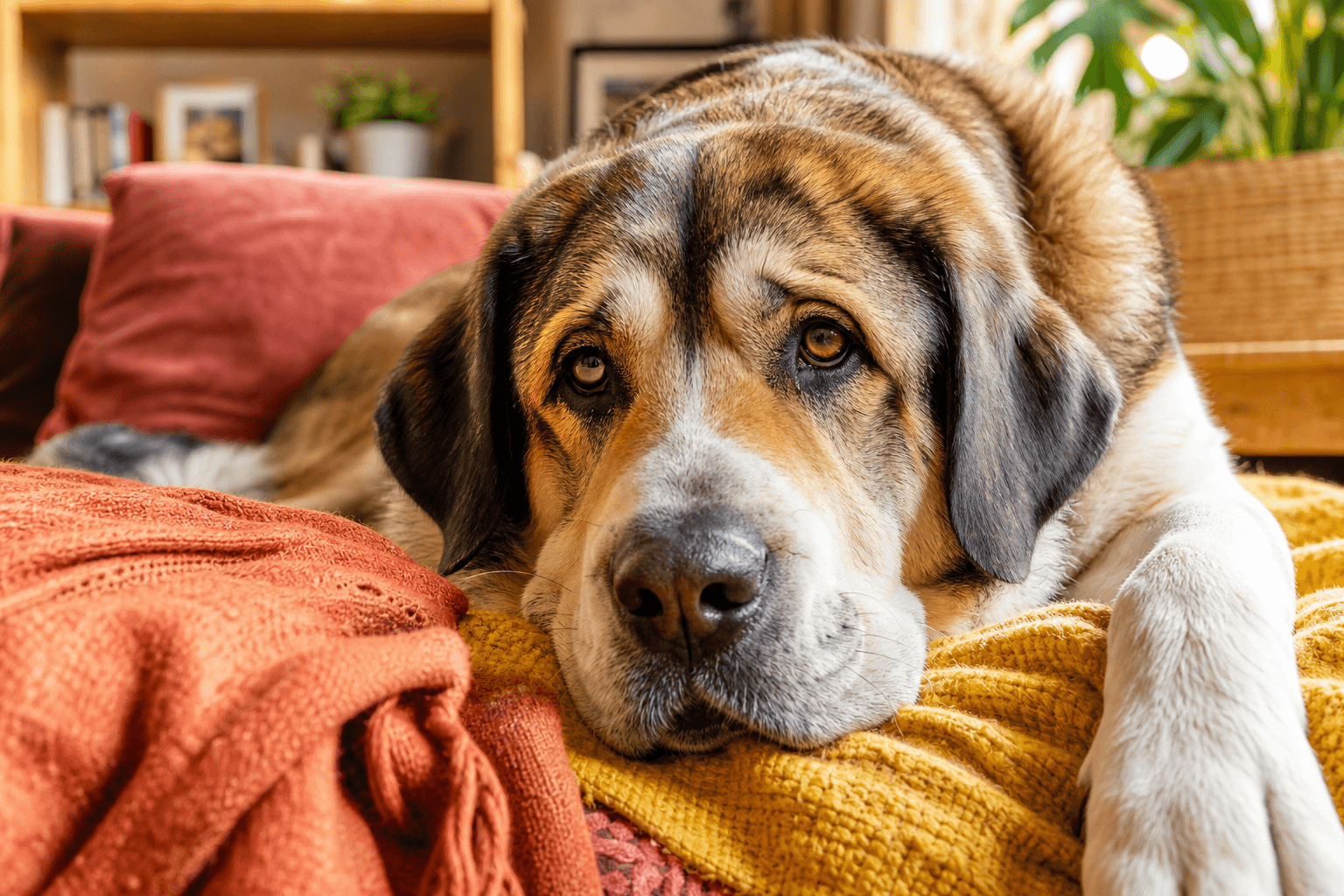
Spanish Mastiffs are truly giant dogs, often heavier than a full-grown adult human.
You will need confidence handling a powerful leash, loading into a car, and managing doorways and stairs.
2. Guardian Temperament
This is a livestock guardian breed: calm with family, watchful with strangers, and naturally independent.
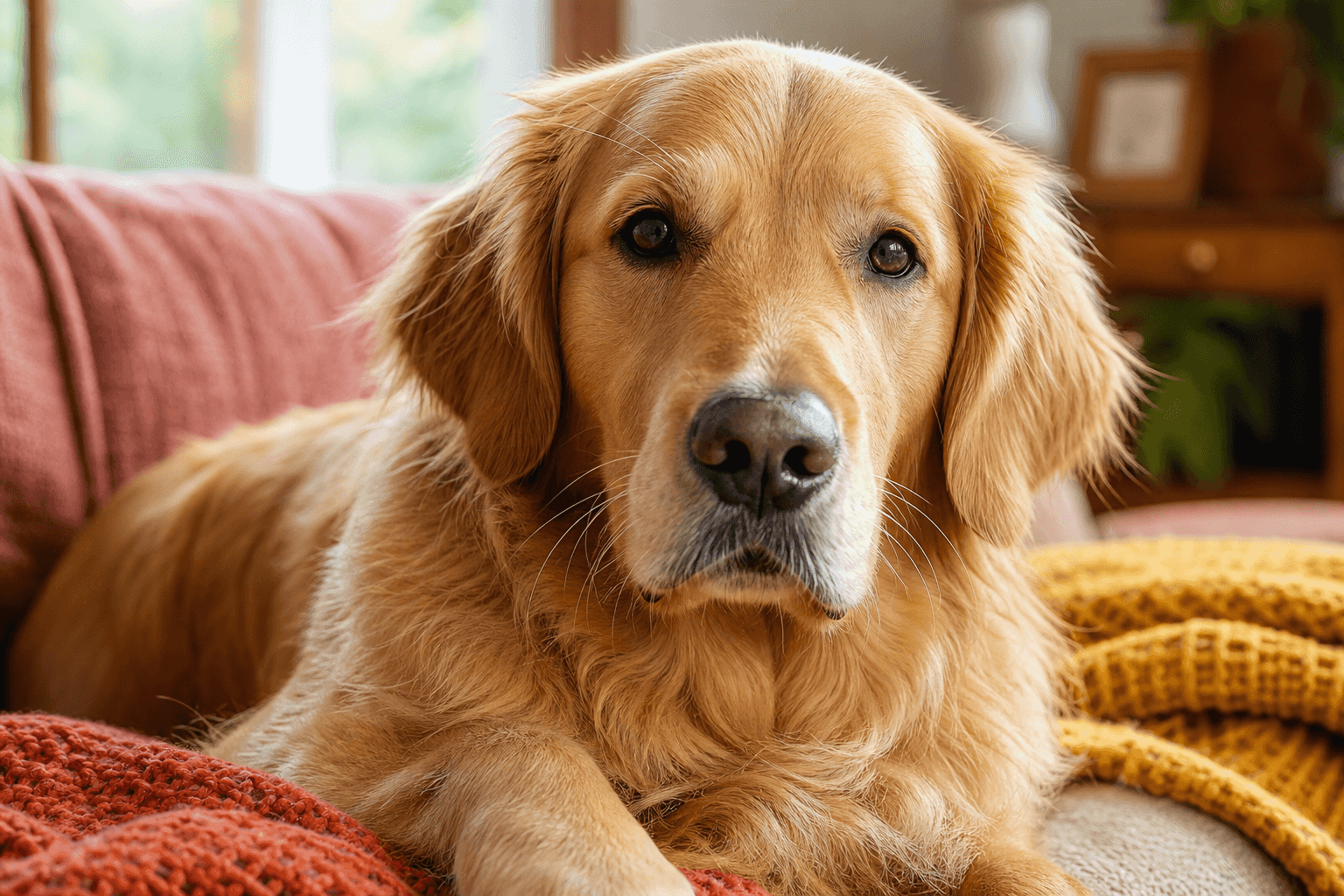
They are not Golden Retrievers in a bigger body; expect thoughtful decision-making more than people-pleasing.
Pros
Why people love them
- Steady, loyal, and deeply bonded with their people
- Low-drama indoors once mature
- Natural property deterrent without training for protection
Cons
Where it gets hard
- Independent minds resist repetitive obedience
- Suspicious of unknown dogs and people
- Not ideal for busy social households
3. Space and Fencing
They relax best when they can see their territory, not just a small yard.
Plan on a secure, tall fence with strong latches; wanderlust and slow patrols are built in.
4. Exercise Needs
Despite their size, they are not marathoners; they do best with steady, moderate movement and mental work.
Think daily neighborhood patrols, sniffy walks, and calm enrichment instead of fetch sprints.
5. Training Style
Forceful drills backfire with a Spanish Mastiff; they respond to calm leadership, patience, and clear boundaries.
Short sessions, real-life manners, and generous rewards work far better than high-pressure obedience.
6. Socialization and Visitors
Early, controlled exposure shapes a stable adult who can ignore normal life and focus on you.
Coach guests not to loom or reach; let the dog approach on their own timeline.
7. Barking and Noise
Guardian breeds use their voice to announce changes, especially at night.
Practice a quiet cue, manage sightlines, and bring them indoors overnight if neighbors are close.
8. Grooming and Drool
Expect a dense double coat with seasonal shedding and a generous jowl.
Weekly brushing, drool towels by water bowls, and a mat at entryways will save your sanity.
9. Health Screening
Common large-breed concerns include hip and elbow dysplasia, eye issues like entropion or ectropion, and joint strain.
Ask for orthopedic and eye clearances and meet a vet comfortable with giant-breed care.
10. Feeding and Bloat
Rapid eating, stress, and activity around mealtimes can raise the risk of gastric dilatation volvulus, also called bloat.
Use slow feeders, split meals, and discuss a preventive gastropexy with your veterinarian.
11. Climate Fit
Their heavy coat is built for cool nights and open fields.
In hot, humid regions prioritize shade, cool flooring, and strict heat management on walks.
12. Travel and Logistics
Hotels, rideshares, and even elevators get complicated when your dog weighs as much as you do.
Measure your car doors and cargo area now, and price an XXL crate if you plan to crate-train.
13. Budget Reality
Food, joint supplements, giant-breed beds, and larger doses of preventives add up quickly.
Emergency care for a giant dog is also pricier; an emergency fund is not optional.
14. Rescue or Breeder
Work with a rescue or breeder who understands livestock guardians and screens for stable temperaments.
Ask about history with livestock, city living, cats, and kids so you can match the right dog to your home.
15. Long-Term Commitment
Spanish Mastiffs mature slowly, staying puppy-brained longer than many breeds.
Plan for years of steady guidance, routine, and respectful handling to bring out their best.