15 Important Factors to Consider Before You Adopt a Shichon
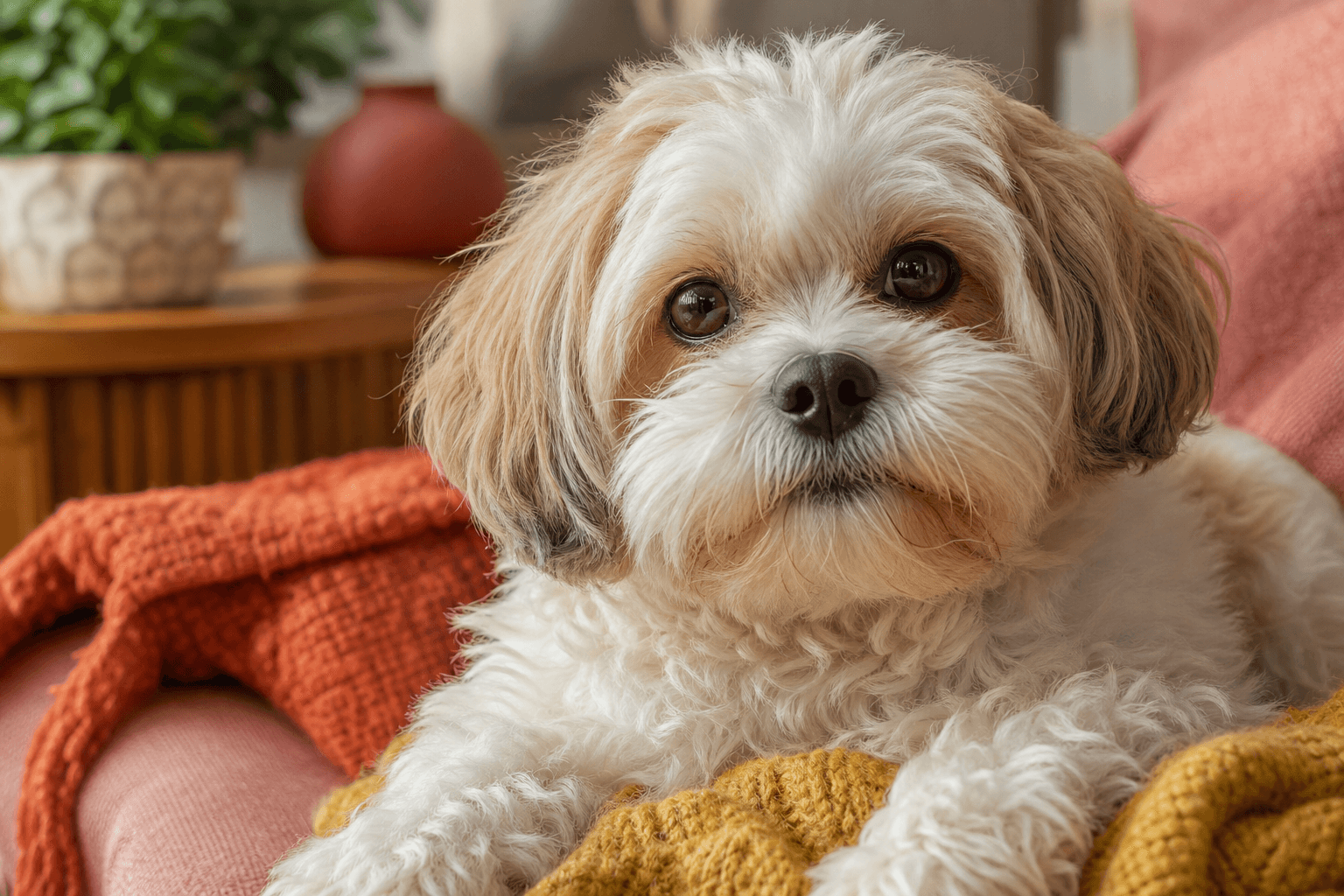
You love the idea of a cheerful, teddy-bear companion who fits your life, not the other way around.
Same here — and the Shichon can be exactly that when you know what really matters.
These are the decision points we would check off before saying yes, so you bring home the right dog for your home and heart.
1. Breed Basics and Personality
Also called Zuchon or Teddy Bear, this Shih Tzu x Bichon mix is bred for companionship.
Expect a people focused, affectionate dog that thrives on being near you and reading your mood.
2. Size and Living Space
Most Shichons land in the small range, often 10 to 18 pounds as adults, though size can vary by lineage.
They are well suited to apartments if you commit to daily walks and mental play.
3. Grooming and Coat Care
The wavy to curly coat mats quickly without routine care.
Plan on brushing several times a week, professional grooming every 6 to 8 weeks, and regular eye face wipes to prevent tear staining.
4. Shedding and Allergies
Shichons are typically low shedding thanks to both parent breeds.
Allergy friendliness is individual, not guaranteed, so meet the dog in person and test your reaction before adopting.
5. Exercise Needs
They are playful but not endurance athletes.
Two short walks and a few indoor play sessions usually do it, with puzzle toys for brain work on rainy days.
6. Training Style and Intelligence
Shichons are bright and people pleasing when training is upbeat and brief.
Use rewards, gentle consistency, and lots of reps; harsh corrections shut them down fast.
7. Socialization With Kids and Pets
Well socialized Shichons are friendly with respectful children and other pets.
Because they are small, teach kids gentle handling and provide safe zones where the dog can retreat.
8. Alone Time and Separation Anxiety
This is a companion breed, which can mean clinginess.
Build independence early with crate training, calm departures, and short practice absences to prevent anxiety.
9. Barking and Noise Sensitivity
Expect some alert barking at knocks, hallway sounds, or new visitors.
Reward quiet, use white noise for apartment triggers, and give them a job like going to a mat when the doorbell rings.
10. Health Screening and Vet Care
Common concerns include dental crowding, tear staining, luxating patella, allergies, ear infections, and potential breathing issues from the Shih Tzu side.
Ask for vet records and be ready for regular dental care and annual checkups.
11. Heat and Cold Sensitivity
Shorter muzzles can make hot, humid weather risky.
Schedule walks in the cool parts of the day, bring water, and use a sweater in winter for small or clipped dogs.
12. Budget and Ongoing Costs
Monthly costs often include grooming, quality food, preventatives, and a wellness plan or insurance.
Grooming alone can rival food costs, so build it into your budget from day one.
13. Adoption Sources and Red Flags
Great options include breed friendly rescues and reputable local shelters.
Red flags are pressure to decide fast, no health disclosures, or pups that cannot meet you on site.
Make sure your day to day life actually fits this sweet shadow dog.
14. Travel and Lifestyle Fit
Shichons can be excellent travel buddies with carrier training and calm exposure to new places.
If your schedule swings wildly or you travel without pets, line up a sitter who understands small breed needs.
15. Time Horizon and Aging Care
Average life span commonly reaches into the low to mid teens with good care.
Be ready for senior needs later on, like softer diets, joint support, and more frequent vet visits.
- I can commit to regular grooming and at home brushing
- I have a plan for gradual alone time to prevent anxiety
- My budget covers grooming, dental care, and preventatives
- I expect a perfect non shedding, hypoallergenic dog
- I am okay with some alert barking and training it