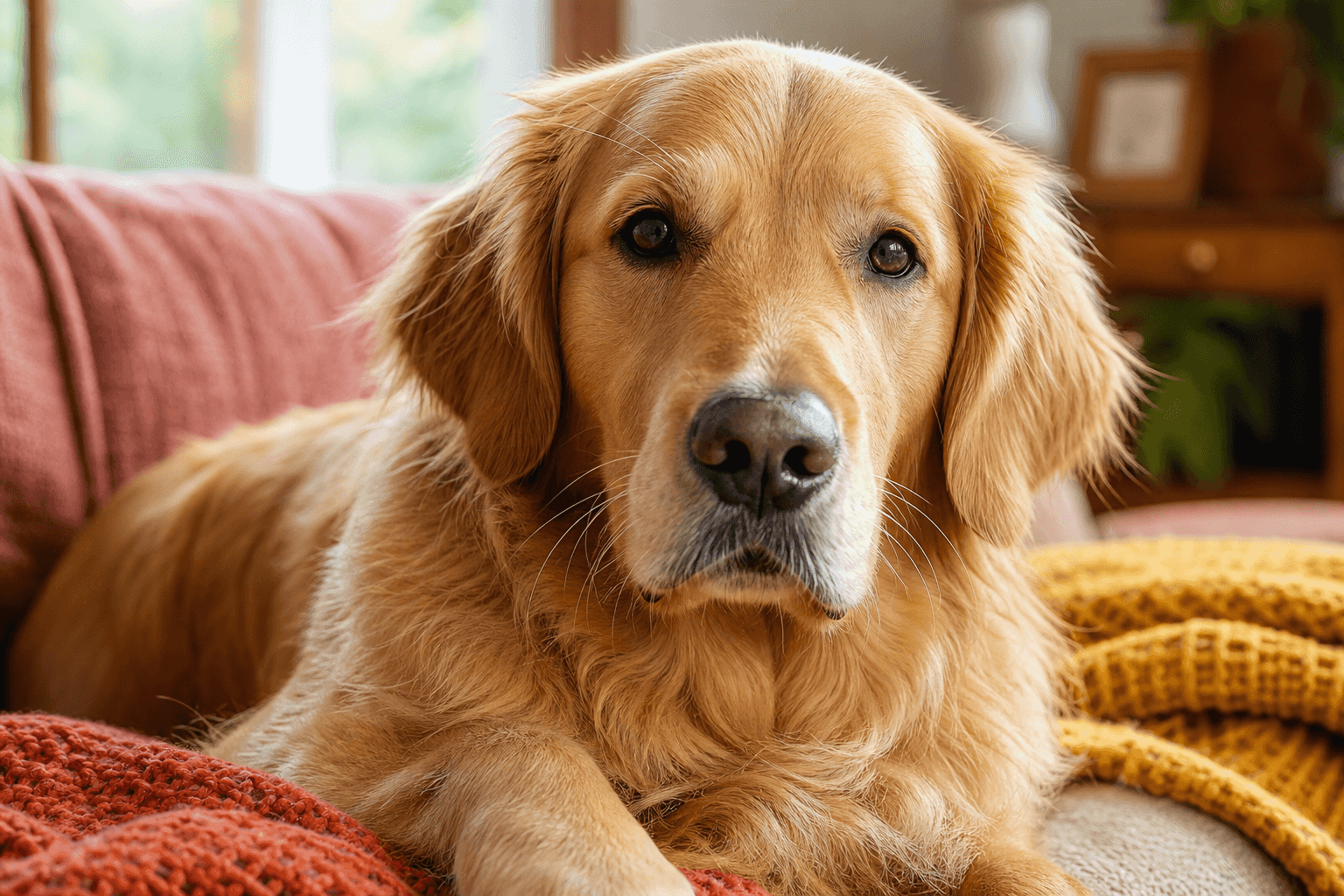
15 Important Factors to Consider Before You Adopt a Saint Berdoodle

You clicked because a Saint Berdoodle looks like the perfect gentle giant.
We love them too — and we want you to know exactly what life with one really takes.
Here are the 15 things that actually matter before you say yes.
1. Giant Size Means Giant Logistics
Adult Saint Berdoodles commonly reach 90–150 pounds, with some larger.
That affects everything: doorways, cars, stairs, crates, and budgets.
If lifting them into a car or helping them when they are ill would be hard for you, pause here.
2. Temperament: Gentle, Social, and Sensitive
Most inherit the Saint Bernard’s sweet nature and the Poodle’s smarts.
They bond deeply, read your mood, and can be a little velcro — wonderful, but not for households that are empty all day.
3. Space and Housing Realities
They do not need a mansion, but they do need room to stretch and turn without knocking things over.
Check landlord or HOA weight limits and pet policies before you fall in love.
4. Exercise Needs: Moderate but Daily
Expect 45–75 minutes split into walks and play, plus sniffing and training games.
As a giant breed, avoid repetitive high-impact activities while growth plates are open.
5. Heat Sensitivity Is Real
With Saint Bernard lineage, many Saint Berdoodles run hot, especially the heavy-coated ones.
Plan for shade, AC, early/late walks, and cooling mats in summer.
6. Grooming: High-Maintenance Coats
Coats range from wavy to curly and mat easily behind ears, armpits, and tail.
Budget for professional grooming every 6–10 weeks plus brushing 3–4 times a week at home.
7. Shedding and Allergies: Not Guaranteed
Some shed minimally; others shed seasonally like their Saint parent.
No doodle is truly hypoallergenic — meet the actual dog to test your reaction before adopting.
8. Health Considerations of Giant Doodles
Common concerns include hip and elbow dysplasia, bloat or GDV, cruciate tears, and ear infections.
Look for parents health-tested for hips, elbows, eyes, and cardiac when possible, and keep your pup lean and fit.
9. Training a Smart, Big-Hearted Dog
They learn fast but can be soft-natured — reward-based methods shine here.
Focus early on loose-leash walking and polite greetings so 120 pounds does not practice jumping.
10. Socialization With People and Pets
Positive exposure in puppyhood shapes a steady adult.
Choose calm, controlled meetups so their size does not overwhelm kids, seniors, or shy dogs.
11. Costs Add Up Fast
Big dogs eat more, need larger doses of preventives, and outgrow standard gear.
Insurance can be wise for unpredictable giant-breed emergencies.
Annual Cost Breakdown
| Expense | Annual Cost |
|---|---|
| Quality food | $1,000–$1,500 |
| Grooming | $400–$800 |
| Routine vet care | $300–$600 |
| Flea, tick, heartworm preventives | $250–$450 |
| Pet insurance (optional) | $500–$900 |
| Training and activities | $200–$400 |
| Supplies and replacements | $200–$350 |
| Est. Annual Total | $2,850–$5,000+ per year |
12. Travel and Car Setup
Measure your vehicle; most will need a roomy SUV, wagon, or van with a crash-tested crate or harness.
Hotels and rentals may have size caps — call ahead.
13. Mess Factor: Drool, Mud, and Snowballs
Some Saint Berdoodles drool lightly, some a lot, especially around water and after drinking.
Expect muddy paw prints and coat snowballs in winter; towels by the door are your friend.
14. Breeder or Rescue: Do Your Homework
If going to a breeder, ask about health tests, contracts, and where puppies are raised.
Rescues can be wonderful; ask for what they know about size, coat, and temperament from fosters.
15. Lifespan and Saying Yes to a Big Commitment
Typical range is about 8–12 years, with variation by size and health.
They thrive on time with their people — adopt if you can give daily presence, training, and care for the long haul.