15 Important Factors to Consider Before You Adopt a King Shepherd
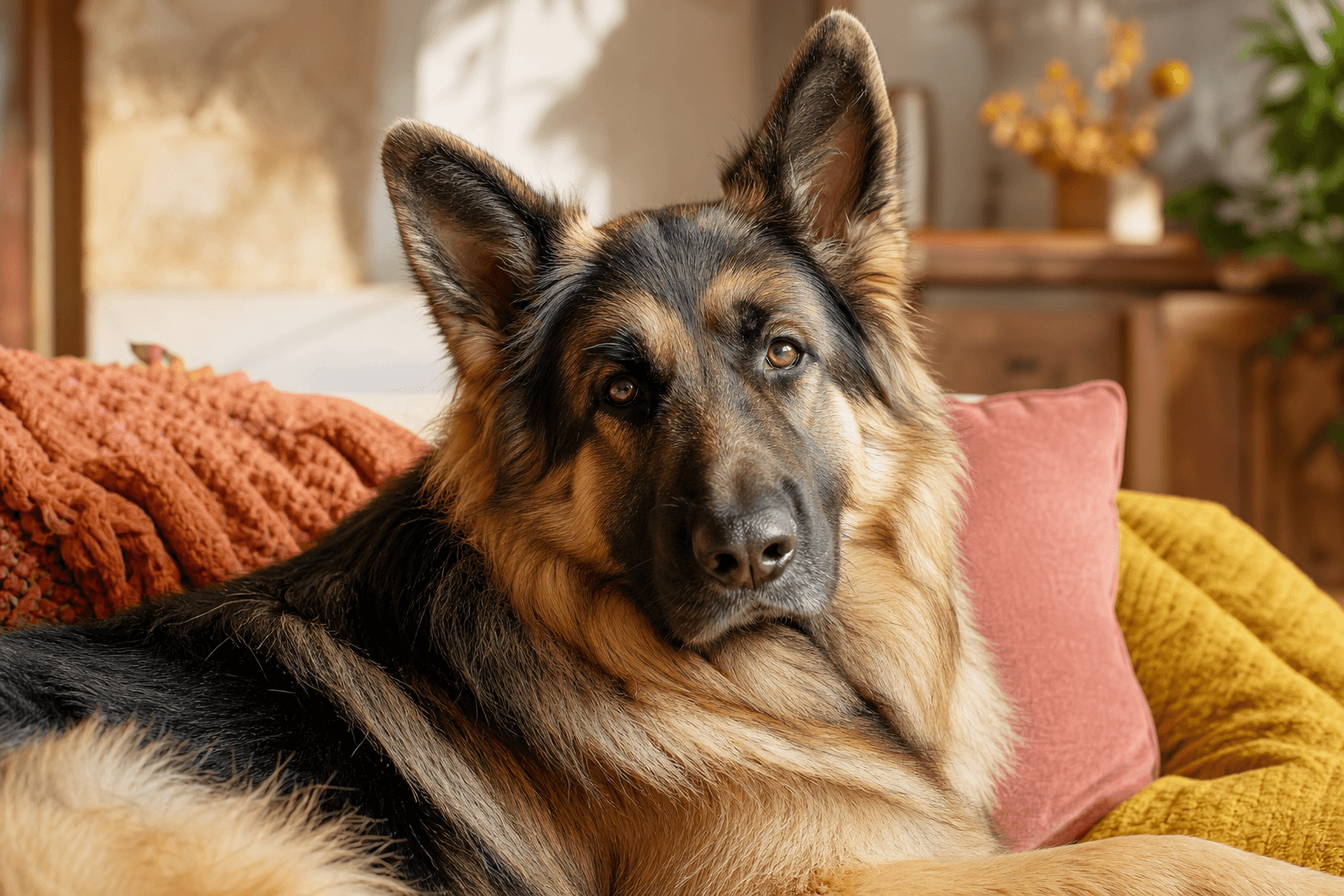
You clicked because King Shepherds look incredible: massive, majestic, and devoted.
We agree—and we also know they are a serious commitment.
Here are the things you must weigh before you bring one home, so your adoption is a happy match from day one.
1. Size and Strength Are Truly Giant
Adult King Shepherds are large to giant dogs, commonly 90–150 pounds for males and 75–120 for females, with a broad chest and powerful frame.
You must be able to physically manage that strength on leash and at the vet; if you struggle to control a lunging dog, this is not the right fit.
Pros
Why people love them
- Steady, confident presence when well trained
- Athletic partner for hikes and nose work
- Often calmer indoors than their size suggests when exercised
Cons
Real-world tradeoffs
- Strength magnifies poor manners—pulling, jumping, door-dashing
- Higher costs for everything: food, meds, crates, vehicles
- Harder to board, travel with, or house in rentals
2. Temperament and Guarding Instinct
King Shepherds are bred for a stable, confident, family-friendly temperament with a natural tendency to watch over their people.
That means they can be aloof with strangers and vocal at the door; without guidance, guarding can drift into reactivity.
3. Daily Exercise Needs Are Non‑Negotiable
Plan on meaningful activity every day: brisk walks, structured fetch, hiking, or scent games.
Mental work matters as much as miles; a bored King Shepherd will invent jobs you will not like, from digging to patrolling fences.
4. Training and Socialization From Day One
They are highly trainable and eager to work with you, but impulse control and neutrality around people/dogs must be taught early and reinforced.
Prioritize loose-leash walking, door manners, calm greetings, and rock-solid recalls. Keep sessions short, upbeat, and consistent.
5. Space and Fencing Requirements
These dogs turn best with room to move. A securely fenced yard is ideal for decompression and training reps.
If you are in an apartment, commit to multiple daily outings and elevator/doorway etiquette to manage a big body in tight spaces.
6. Grooming and Shedding Reality
Expect a double coat that blows seasonally and sheds year-round. Brush several times a week to control mats and tumbleweeds.
Bathing every 6–10 weeks, nail trims, and ear checks keep them comfortable. Invest in a quality undercoat rake and a high-velocity dryer if you can.
7. Health Risks and What to Screen For
Common concerns include hip and elbow dysplasia, degenerative myelopathy, bloat (GDV) risk due to deep chests, and allergies or hot spots.
When adopting, ask for orthopedic X-rays if available, gait notes, and any genetic test results. A pre-adoption vet exam saves heartbreak.
8. Diet and Growth Management
As large-breed dogs, they need a balanced diet that supports steady growth and joint health—especially under 18 months.
Avoid overfeeding and forced exercise in adolescents; keep them lean to protect hips and elbows.
9. Budgeting the True Cost
Food portions are big, medications are dosed by weight, and gear must be heavy-duty. Training classes and insurance add up.
Plan for routine care plus a savings cushion for orthopedic issues or emergency surgery, such as bloat prevention or treatment.
10. Time and Lifestyle Fit
They thrive with structure and participation in your day—walks, training, and being near their people.
If your schedule leaves a dog crated for long stretches, consider a different breed or a professional exercise plan.
11. Kids, Guests, and Household Etiquette
Most King Shepherds are gentle with kids when supervised and well trained, but their size can knock toddlers over.
Teach place work, calm greetings, and boundaries around food and toys. Advocate for your dog during noisy playdates.
12. Other Pets and Prey Drive
Many live well with resident dogs and cats when introduced thoughtfully, but individual tolerance varies.
Start with slow, scent-first introductions and neutral territory meetings. Manage high-energy play to prevent scuffles.
13. Climate: Great in Cold, Caution in Heat
Their dense coat handles cold weather beautifully, but heat and humidity are hard on them.
Prioritize shade, cool water, early/late walks, and indoor downtime when temperatures rise.
14. Travel, Vehicles, and Gear Logistics
Measure your car before you adopt. Many need a 48–54 inch crate and a wide cargo area.
Look for a well-fitted Y-harness, a sturdy leash, and non-slip mats at home to protect joints on slick floors.
15. Choosing Ethical Adoption Sources and Spotting Red Flags
Work with reputable rescues or shelters that temperament-test, disclose medical history, and offer post-adoption support.
King Shepherds are not an AKC breed; be wary of anyone selling overpriced "papers." In rescue, clarify return policies and trial periods, and ask why the dog was surrendered.
Bring your decision into focus