15 Important Factors to Consider Before You Adopt a Boykin Spaniel
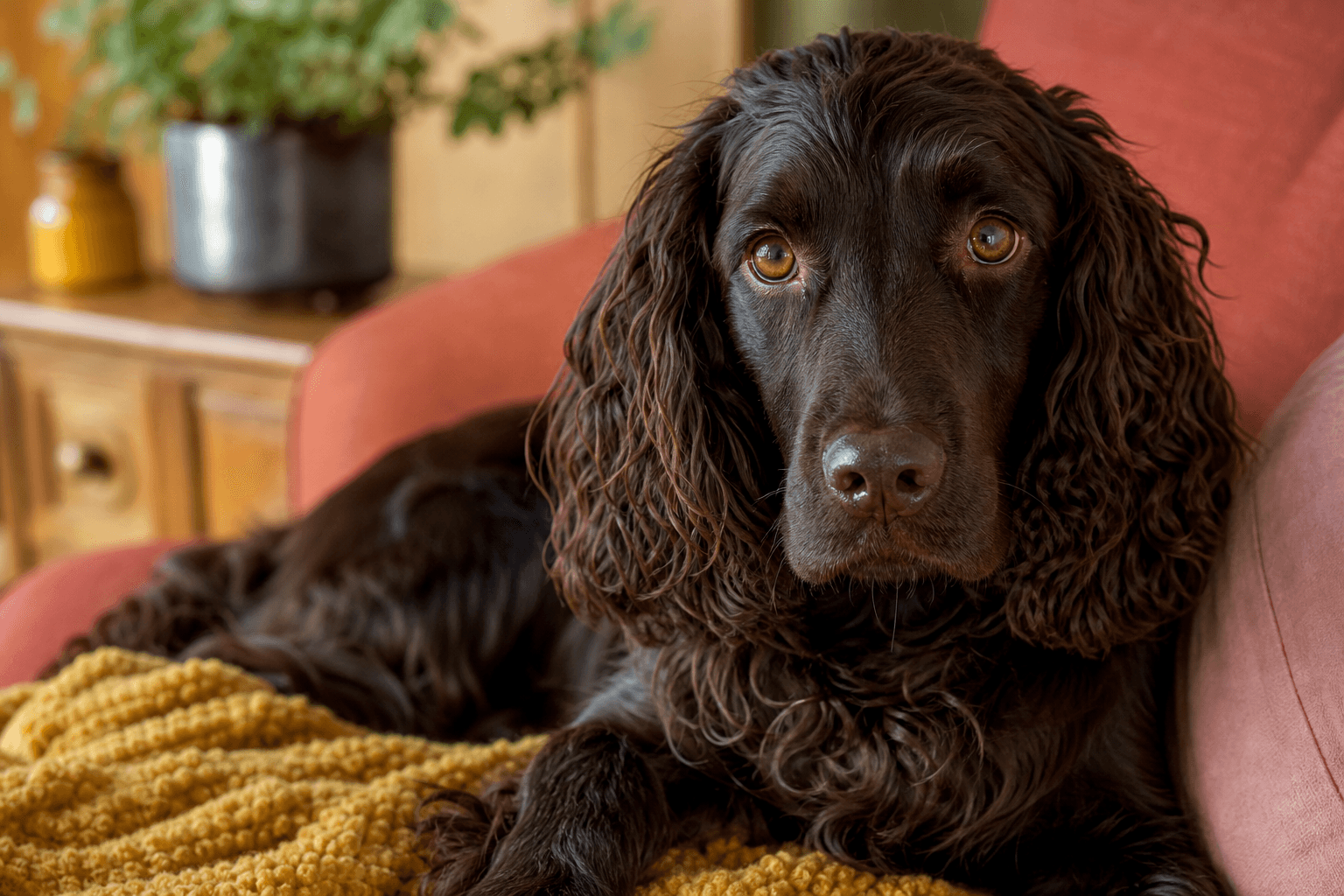
You clicked because Boykins look like the perfect adventure buddy—and they can be.
Before you say yes to those amber eyes, let's make sure the fit is right for your life.
Here are the exact factors we wish someone had handed us, fast and honest.
1. Energy and Exercise Needs
Boykin Spaniels are athletes in a compact package. Plan on 60–90 minutes of daily activity split into walks, retrieves, and sniffy exploration.
Without an outlet, they invent their own fun—usually the kind you won't love.
2. Hunting Heritage and Prey Drive
They were bred to flush and retrieve waterfowl in the American South. That heritage shows up as keen prey drive and laser focus outdoors.
Many coexist with cats, but introductions must be structured, and off-leash freedom near wildlife isn't a given.
3. Size, Space, and Lifestyle Fit
At roughly 25–40 pounds, Boykins fit apartments on paper, but their needs are closer to a sporting breed than a lapdog. Access to safe off-leash areas or regular field trips matters more than home size.
4. Training Style: Sensitive but Willing
Boykins are biddable and love to work with you, yet many are soft-tempered. Heavy-handed methods shut them down fast.
Use upbeat, reward-based training and clear routines. They thrive on feedback and fair boundaries.
5. Socialization with Kids and Pets
Well-bred Boykins are friendly and people-oriented. Early socialization—surfaces, sounds, polite greetings—shapes a confident adult.
With kids, teach both sides: gentle hands for children, calm sits for the dog. With smaller pets, manage the chase instinct.
6. Grooming and Shedding Reality
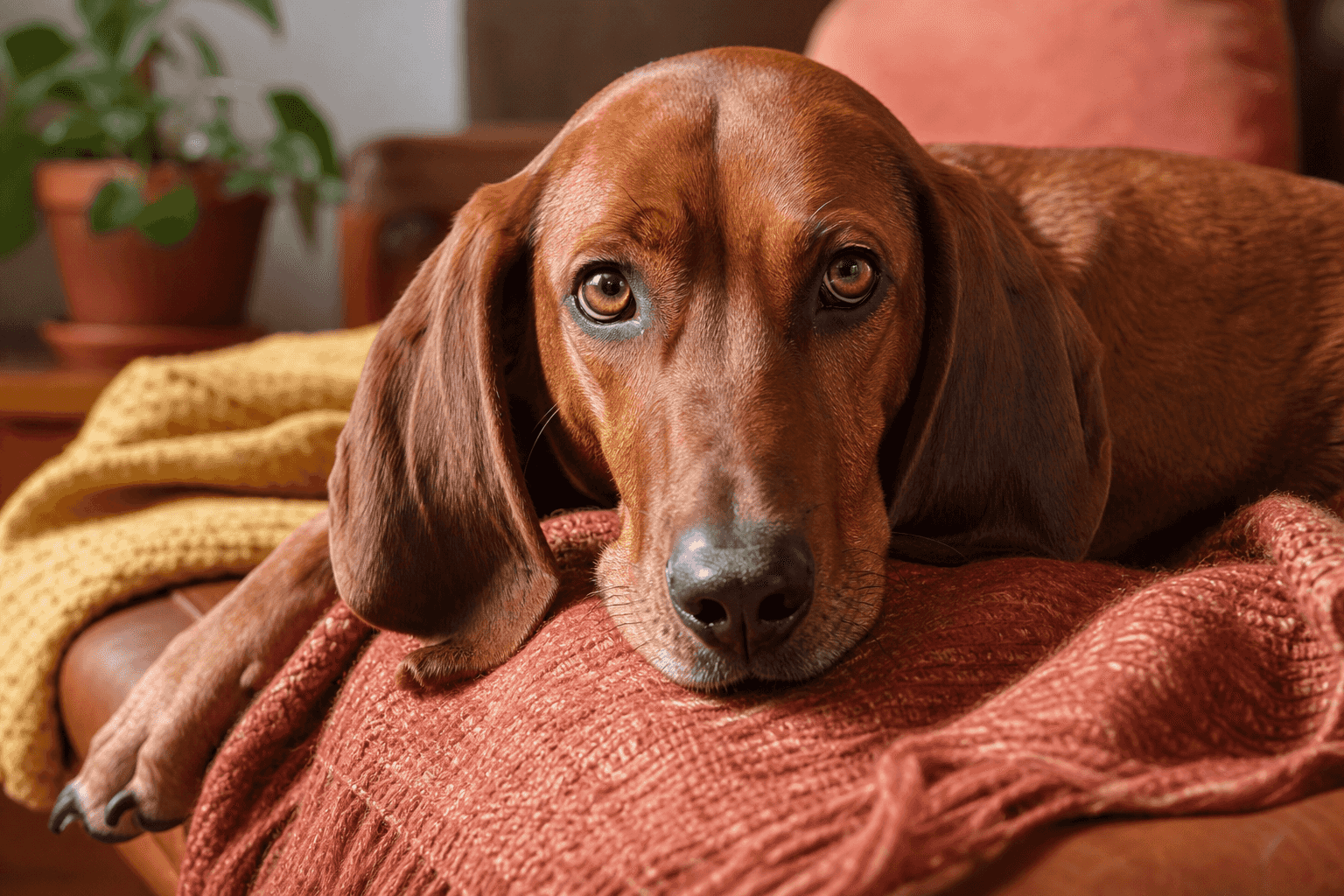
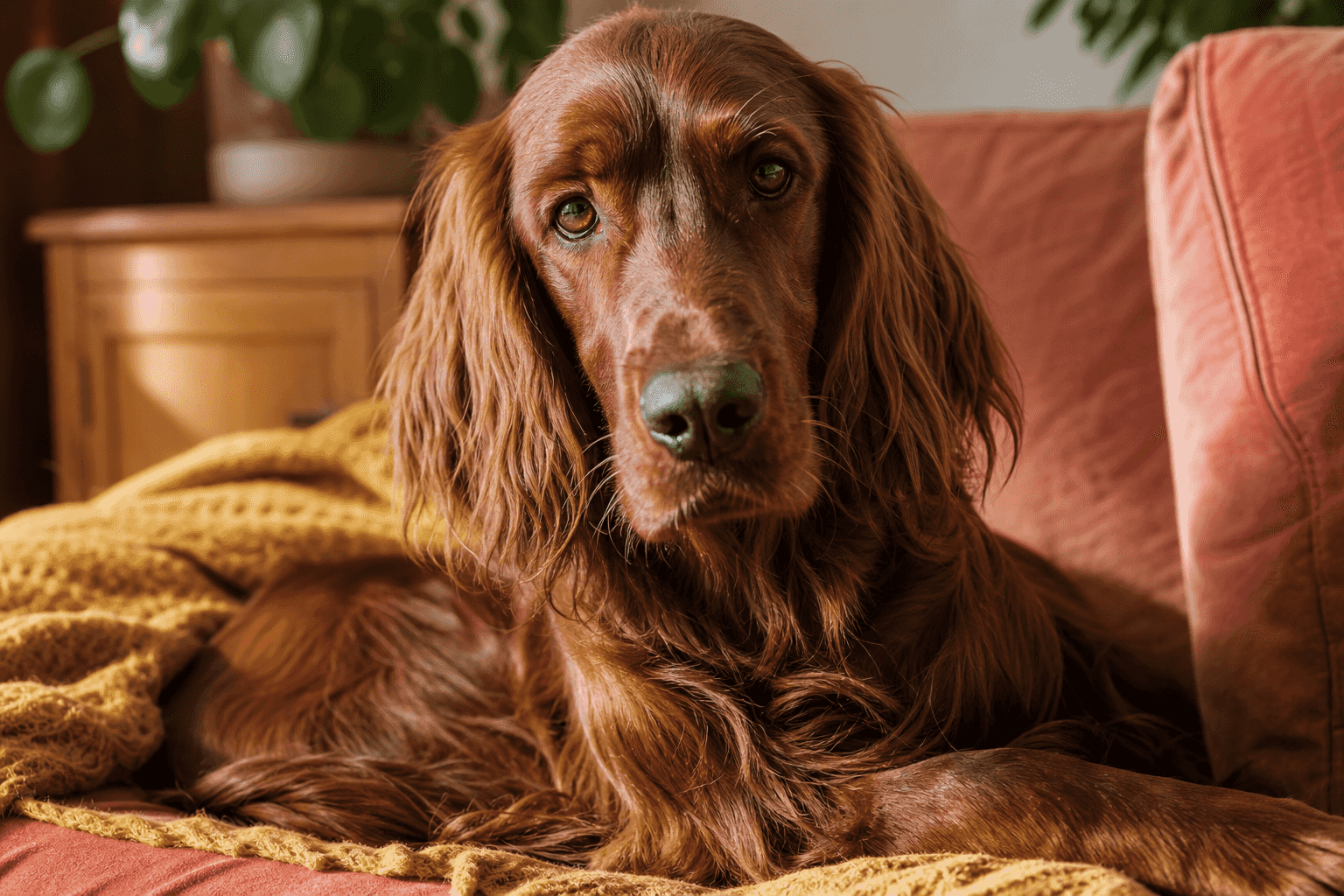
The coat is medium, wavy, and all shades of liver/brown. Expect moderate shedding and seasonal tumbleweeds.
Brush 2–3 times weekly, trim feathering as needed, and keep the feet tidy to avoid tangles and burrs after field days.
7. Ears, Water, and Infection Prevention
Those lovely drop ears plus a love of swimming equal a recipe for ear infections if you don't stay ahead of it.
Dry thoroughly after swims and use a vet-recommended ear cleaner weekly. Catching a mild itch early prevents a costly infection.
8. Health Screening and Genetic Risks
Look for parents screened for hips and elbows (OFA), eyes (CAER), and breed-relevant DNA tests. In Boykins, inherited concerns can include hip dysplasia, cataracts, and exercise-induced collapse (EIC).
Ask to see proof, not promises. Rescues should disclose known issues and recent vet work.
9. Costs You Should Budget For
Beyond adoption fees, plan for quality food, routine vet care, training classes, grooming tools, and insurance if you choose it.
Sporting dogs also burn through bumpers, leashes, and long lines. Budgeting now keeps the fun stress-free later.
10. Access to Water and Jobs
Boykins shine when they have a job: retrieving, dock diving, field work, or nose games. You don't have to hunt, but you do need to channel that drive.
No water nearby? Rotate hide-and-seek with retrieves, tracking games, and puzzle feeders.
11. Weather and Heat Management
Dark coats soak up heat. In southern summers, schedule dawn play, carry water, and watch for glassy eyes, lagging, or wobbling.
Cooling vests and shade breaks make a real difference on training days.
12. Separations and Alone Time
Affectionate by nature, many Boykins shadow their people. Without practice, that can drift into separation issues.
Normalize short departures from day one, use food-stuffed toys, and avoid big emotional exits and reunions.
- Daily plan for 60–90 minutes of exercise/brain work
- Gentle, reward-based training approach
- Routine ear care after swims and baths
- Safe management for prey drive (fenced yard/long line)
- Willingness to practice alone time gradually
- Expectations of a low-energy couch pup
- Assuming cats/small pets will be fine without introductions
13. Field vs Bench (Lines)
Field-bred Boykins tend to be higher drive and more intense workers; bench/conformation lines may be a touch mellower, though they're still sporting dogs.
Ask about the pedigree and meet related adults to gauge typical energy and off-switch.
14. Adoption Route: Rescue vs Breeder
Rescue groups and shelters do see Boykins—often wonderful adults who need a reset. You'll learn a lot from foster notes.
If working with a breeder, expect questions for you, health clearances for parents, and a lifetime take-back policy. Walk away from anyone pushing quick deposits or offering multiple non-brown colors.
15. Are You Ready for 12–15 Years?
Boykins live roughly 12–15 years. Picture your next decade: moves, kids, work, hobbies.
If you're excited to include a clever, water-loving partner in all of it, you're on the right track.