15 Factors to Consider Before You Adopt a King Shepherd
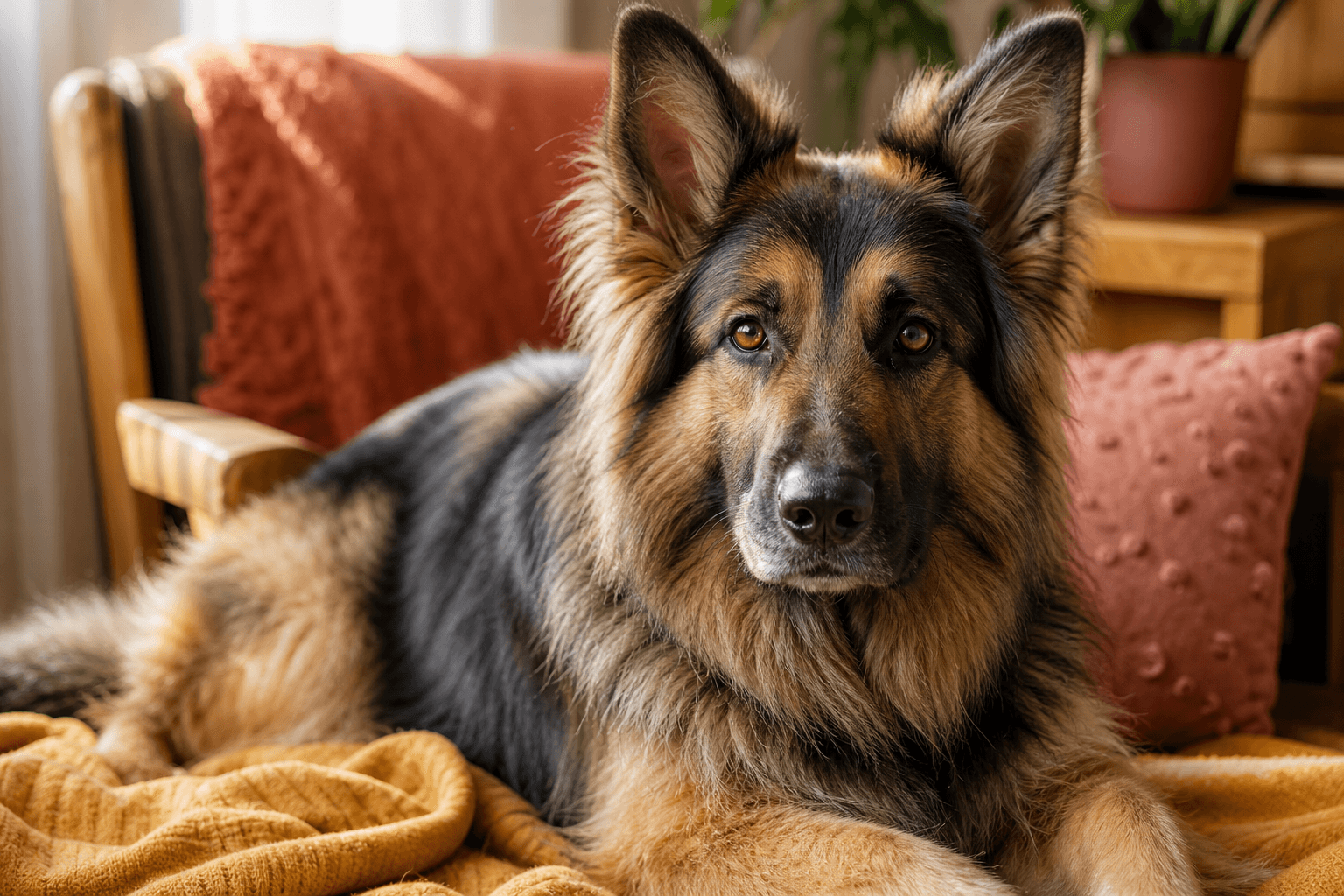
You clicked because you love the idea of a giant, loyal family dog that can keep up and calm down.
King Shepherds can absolutely be that dream — if your home and routine fit their needs.
Here is the fast, honest checklist we wish everyone read before bringing one home.
1. Size and Strength
King Shepherds are large, powerful dogs — think bigger than many German Shepherds.
You need confident handling, sturdy fencing, and a plan for transporting a 90+ pound companion.
2. Exercise Needs
They thrive on daily, real exercise: brisk walks, off-leash fetch in a secure area, and weekend hikes.
Count on 60–90 minutes most days, plus short potty breaks.
3. Training Commitment
Smart, eager, and sensitive, they learn fast but need consistency and clarity.
Reward-based training with structure from day one prevents pushiness and over-protectiveness.
4. Early Socialization
Expose your pup to friendly strangers, calm dogs, varied places, and novel sounds in controlled ways.
Balanced socialization builds a steady adult who can read the room instead of reacting.
5. Grooming and Shedding
Expect a dense double coat with seasonal blowouts.
Brush several times a week, bathe as needed, and plan for floating fur on clothes and floors.
6. Health Screening
Common large-breed concerns include hip and elbow dysplasia, bloat risk, and some skin issues.
Ask for OFA or equivalent joint clearances and discuss a bloat prevention plan with your vet.
7. Lifespan and Senior Care
Many live roughly 10–13 years with good care.
Budget for joint support, weight management, and softer exercise as they age.
8. Space Requirements
They can adapt to suburb or country life best, with a fenced yard or reliable daily access to open space.
Apartment living is possible for experienced owners who meet exercise needs and prioritize manners.
9. Kids and Family Life
Properly raised King Shepherds are typically loving and tolerant with children.
Teach kids gentle handling; supervise play, especially while the dog is young and clumsy.
10. Other Pets Compatibility
Many coexist well with resident dogs and cats when introductions are slow and positive.
Manage doorways, food time, and high-arousal play to prevent scuffles.
11. Weather and Outdoor Time
The coat handles cold better than heat.
Provide shade, cool water, and avoid intense midday exercise in warm climates.
12. Mental Work Drive
This is a working-minded dog: give jobs like scent games, obedience, tracking, or carting.
Without brain work, they invent their own projects like digging or herding kids.
13. Budget and Costs
Big dogs mean big bills: quality food, joint supplements, heartworm and flea preventives, training classes, and larger crates and beds.
Plan for an emergency fund; orthopedic surgeries and GI emergencies can be expensive.
14. Ethical Sourcing
Whether you adopt from a rescue or work with a breeder, vet the organization thoroughly.
Rescues should disclose medical and behavioral history; breeders should prioritize temperament and health over size alone.
15. Travel and Lifestyle Fit
Consider car space, hotel pet policies, and who can dog-sit a large, active guardian type.
If you are gone long hours, line up walkers and enrichment or choose a different breed.
- We can commit to 60–90 minutes of daily exercise and weekly grooming
- We have a plan for training, socialization, and ongoing mental work
- We can afford large-breed food, gear, and veterinary care
- We have safe containment and a way to manage a 90+ pound dog
- We expect a calm couch potato with minimal training needs
- We want a dog that thrives in hot weather and tolerates long days alone