15 Essential Facts About Northern Inuits That Every New Owner Should Know
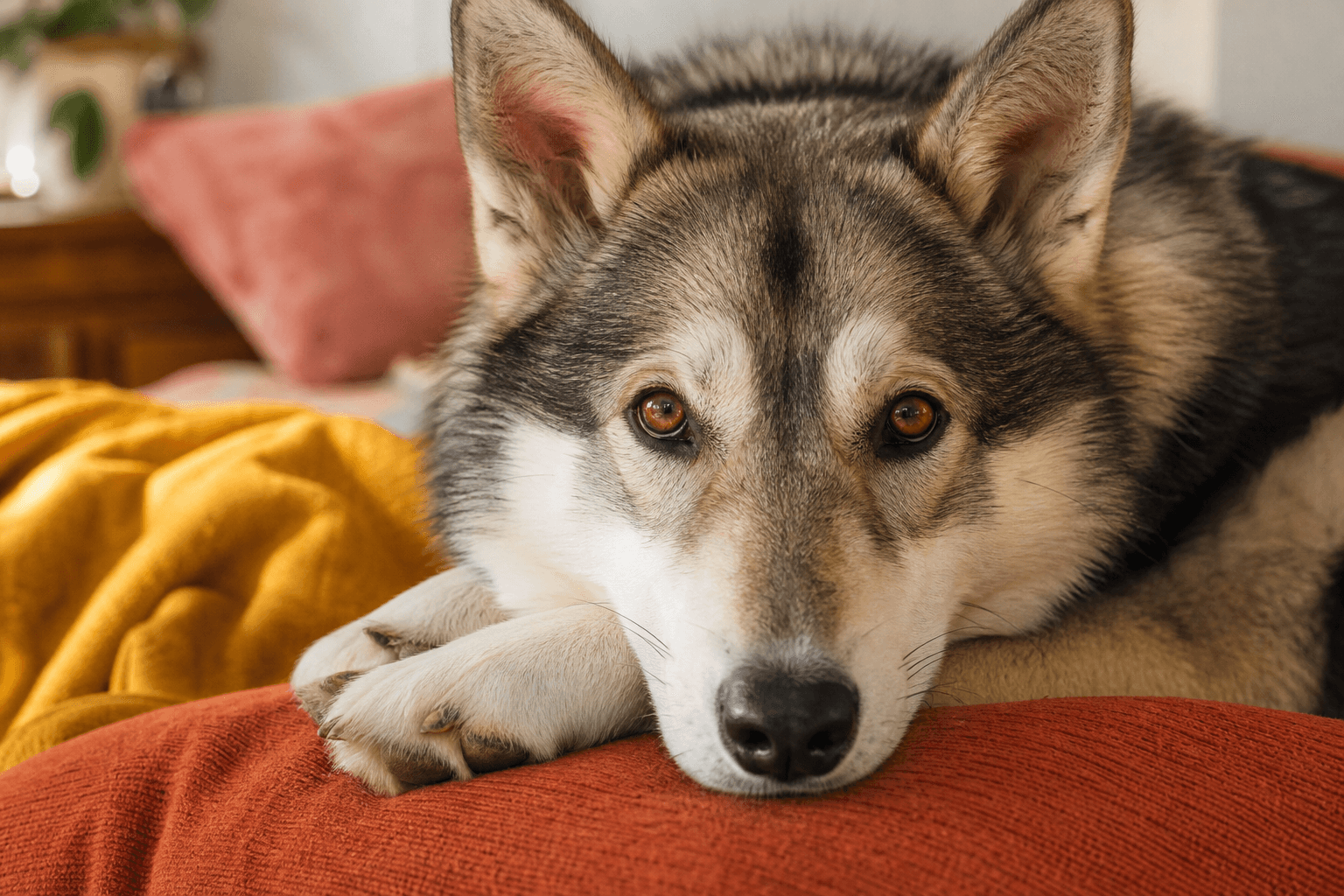
You saw that wolfy face and fell in love — we get it.
Here are the clear, first-hand truths about living with a Northern Inuit so you can avoid surprises and set them up to thrive.
Skim this, make your plan, and you will be miles ahead by day one.
1. They Are Not Wolfdogs
Northern Inuits were developed in the UK using dogs like the Siberian Husky, Alaskan Malamute, and German Shepherd to achieve a wolf-like look.
No wolf content is part of the standard; they are domestic dogs with companion temperaments.
2. Big, Athletic, and They Need Work
Expect a tall, powerful dog (often 25–30 inches at the shoulder) who thrives on daily vigorous exercise plus mental jobs.
Plan on 90–120 minutes split between walks, structured play, and brain work like scent games.
3. Temperament: Soft-Natured, A Little Independent
They are affectionate, people-focused, and generally gentle, but can be thoughtful and self-directed.
They respond best to calm, reward-based training and clear routines.
4. Double Coat, Seasonal Blows
Brush weekly most of the year, then daily during spring and autumn when the undercoat “blows.”
No shaving — it harms coat function; bathe as needed and focus on undercoat rake plus slicker brush.
5. Shedding and Allergies
This breed sheds a lot, and they are not hypoallergenic.
A good vacuum and lint rollers are your friends; regular brushing greatly reduces tumbleweeds.
6. Cold-Hardy, Heat-Sensitive
The coat insulates in winter, but hot, humid days are tough.
Exercise at dawn and dusk, provide shade and water, and use cooling breaks in summer.
7. Space and Secure Fencing
They are curious explorers and can be escape artists.
A secure, tall fence and leash reliability matter more than yard size; apartments can work only with serious daily exercise.
8. Social Dogs That Dislike Solo Life
Northern Inuits bond closely and can develop separation distress if left for long hours.
Build independence slowly, use food puzzles, and consider dog sitters or daycare on long days.
9. Train Recall Early
Prey-chase and curiosity can override weak recall.
Start games-based recall on a long line, pay with top-tier rewards, and practice around mild distractions before going off-leash.
10. Health Snapshot and Lifespan
Responsible lines screen for hip and elbow dysplasia, eye conditions, and known hereditary issues like epilepsy in some families.
Lifespan is commonly around 12–14 years; ask for health test proofs for both parents.
11. Feeding a Large, Slow-Growing Breed
Choose a large-breed formula to support steady growth and joint health.
Keep them lean; measure meals, add omega-3s if your vet agrees, and watch for sensitive-stomach quirks.
12. Friendly, Not Natural Guard Dogs
They are typically social and welcoming with people.
Expect alert barking or the classic Husky-style “talking,” not serious protection work.
13. Recognition, Rules, and Insurance
They are not recognized by major kennel clubs like the AKC, but they do have UK-based breed societies.
Always check local rules, housing policies, and insurance requirements for large, wolfy-looking breeds.
14. Choose Ethical Breeders or Rescue
Game of Thrones fame spiked demand, attracting casual breeding.
Look for health-tested parents, lifetime take-back, and transparent contracts — or consider breed-specific rescue.
15. Real-World Costs and Commitment
Budget for large-dog food portions, training classes, durable gear, grooming tools, and pet insurance.
The bigger cost is time: daily exercise, training, and company are non-negotiable for a happy Northern Inuit.
| Category | Rating |
|---|---|
| Energy level | |
| Trainability | |
| Family-friendly | |
| Shedding | |
| Guarding instinct |
Generally yes — they are gentle and people-oriented. Supervise like any large dog, teach kids calm interactions, and manage excitable zoomies around toddlers.
Breed standards and reputable breeders do not include wolf content; they are domestic dogs selected for a wolf-like look.
Possible with a serious exercise plan: two long outings daily, training, and mental work. Elevators and thin walls can be tricky during shedding/ howling phases.
Aim for 90–120 minutes total daily, split across walks, play, and training, plus enrichment like scent games.
Some do with careful introductions and impulse control training, but chase instinct varies. Start with barriers and supervise.