15 Essential Facts About Mini Sheepadoodles That Every New Owner Should Know
You clicked because you want the real scoop on Mini Sheepadoodles, not fluff.
We have lived the doodle life, and we will spare you the guesswork.
Here are the essentials new owners actually use day to day.
1. What A Mini Sheepadoodle Really Is
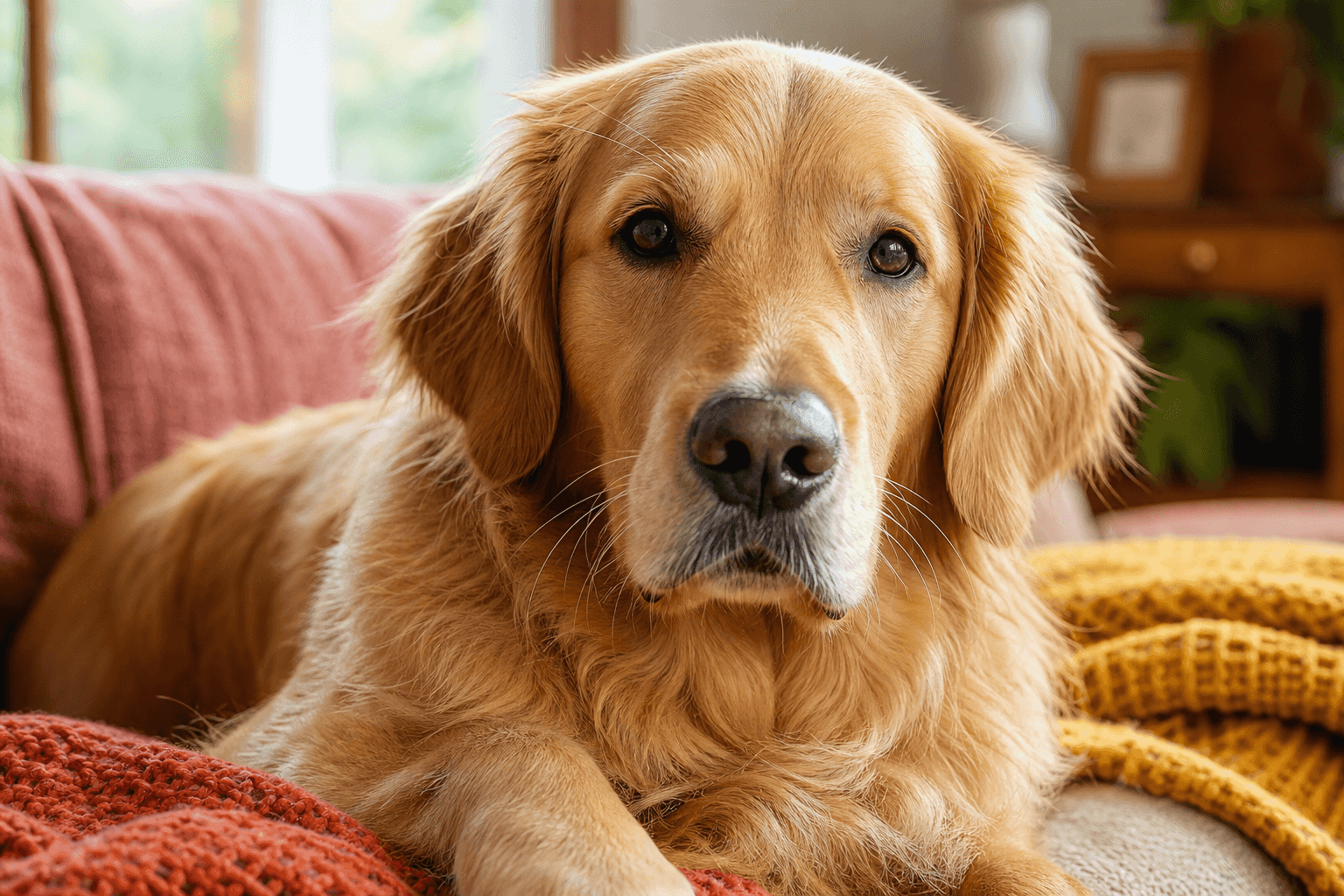
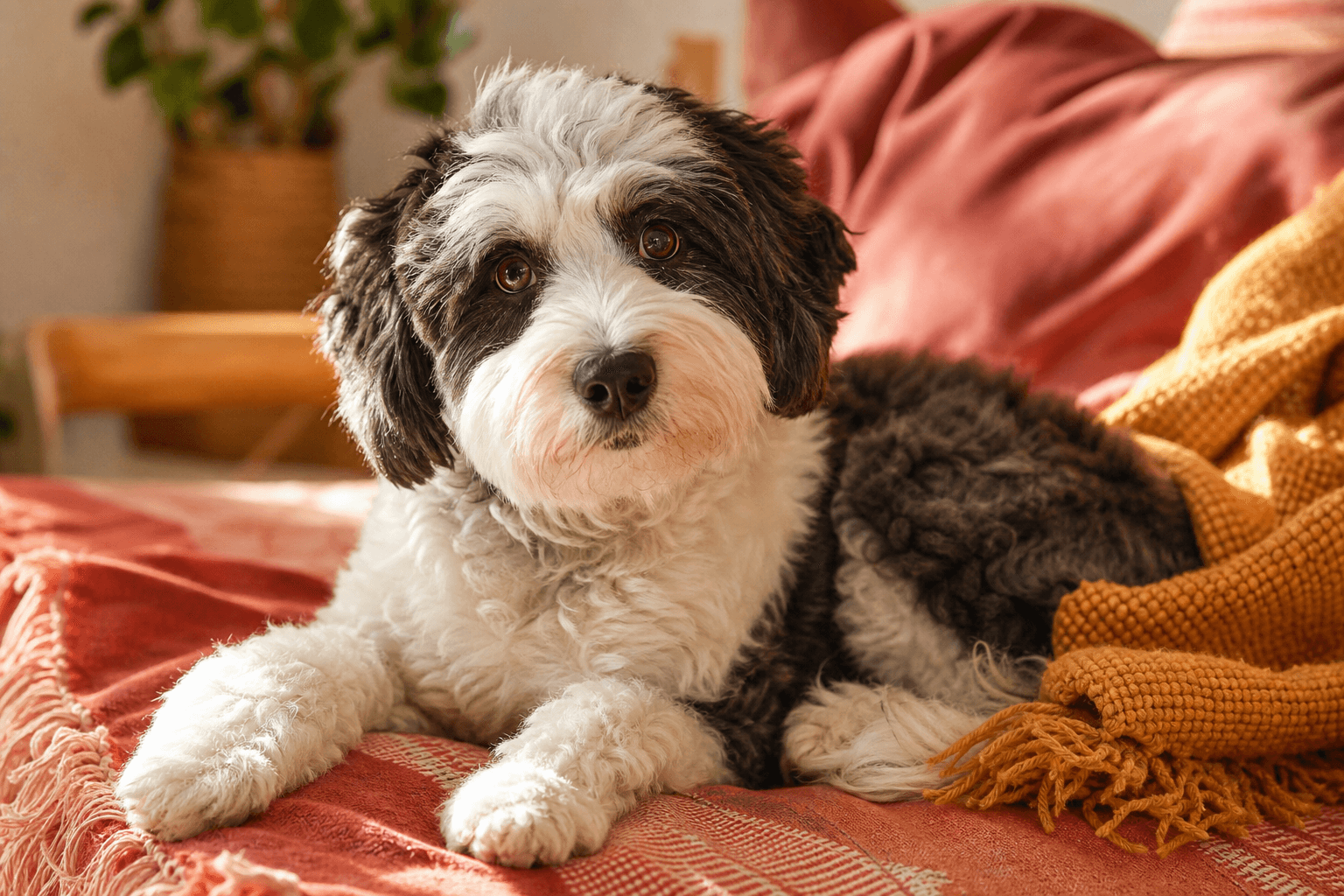
A Mini Sheepadoodle is a cross between an Old English Sheepdog and a Miniature Poodle, usually via a Mini Poodle sire and Sheepdog dam.
Most adults land around 25 to 45 pounds and 16 to 20 inches tall, but genetics can swing smaller or larger.
Expect a sturdy, athletic medium dog in a smaller package than a standard Sheepadoodle.
2. Personality: Affectionate, Clownish, People-First
They are famously sweet, playful, and a little bit goofy.
With good socialization, they are typically friendly with kids and other dogs and happiest when included in whatever you are doing.
The flip side of that big heart is sensitivity; harsh corrections shut them down, while clear, upbeat coaching makes them shine.
3. Exercise Needs: Daily, And Varied
Plan on about 60 to 90 minutes of activity per day split into walks, play, and brain games.
They are athletic, but they do not need to sprint daily; what they crave is engaged time with you.
4. Grooming Is A Real Commitment
That plush, shaggy coat mats fast if you fall behind.
Brush thoroughly 3 to 4 times per week and book professional grooming every 6 to 8 weeks to keep the coat comfortable and clean.
Home brushing
Pin brush plus metal comb to the skin, especially behind ears, armpits, and tail base.
Bath and blow-dry
Rinse fully and blow-dry straight before brushing or you lock in tangles.
Trim cadence
Face, feet, and sanitary cleanups every 3 to 4 weeks; full haircut every 6 to 8 weeks.
After-swim care
Rinse and dry thoroughly; damp curls mat quickly at the collar and ears.
5. Low Shedding, Not Allergy-Proof
Most Mini Sheepadoodles shed very little, but dander and saliva still carry allergens.
Some people with mild allergies do well, others do not; meet adult dogs from the same lines before you commit.
6. Smart And Eager: Train Early
They learn fast and love to please, which is wonderful if you channel it from day one.
Short, upbeat sessions with food rewards build impulse control and make polite choices automatic.
Enroll in a puppy class, start place training, and teach calm greetings well before adolescence hits.
7. Herding Instincts Are Real
Old English Sheepdog heritage can show up as heel nipping and doorway herding, especially with running kids.
Redirect to toys, reward loose-leash walking at your side, and teach a strong leave it and come cue.
Planned play outlets like fetch or flirt pole sessions satisfy the chase urge without encouraging nipping.
8. Barking And Watchdog Tendencies
They will announce visitors and odd noises, but they are not typically guard dogs.
Teach a speak then quiet routine, and reinforce calm when the doorbell rings to keep vocalizing in check.
9. Apartment Friendly With A Plan
Yes, they can thrive in an apartment if you are consistent with walks, training, and enrichment.
Use food puzzles, snuffle mats, and two quality outings daily; a small yard is nice but not required.
10. Health: What To Screen And Watch
From Old English Sheepdogs: watch for hip dysplasia, some autoimmune thyroid issues, and eye conditions.
From Miniature Poodles: be mindful of patellar luxation and progressive retinal atrophy in some lines.
Responsible breeders health test hips and elbows, cardiac, and relevant DNA panels; ask to see results, not just claims.
11. Lifespan And Maturity
Expect roughly 12 to 15 years with good care.
They mature mentally a bit later than you might think; adolescence can stretch from 6 to 18 months, so keep training and structure steady.
12. Velcro Dog Potential
These dogs bond hard and prefer to be with their people.
Prevent separation issues by practicing short, low key departures, using food-filled toys, and rewarding relaxed alone time daily.
13. Coat And Weather Smarts
The coat insulates, but heat builds quickly under curls.
Exercise in the cool parts of the day, offer shade and water, and keep the coat brushed out so air can move through.
In winter, rinse ice melt from paws and keep hair trimmed between pads for traction.
14. Real Costs To Budget
Purchase from an ethical breeder often ranges from 1500 to 3500, with location and health testing affecting price.
Annual care commonly runs 1200 to 2000 for food, vet care, parasite prevention, training, insurance, and grooming.
Professional grooming alone can be 70 to 120 per session depending on coat condition and your market.
15. Choosing A Breeder Or Rescue
Look for transparency on health testing, adult size estimates, and temperament of parents, plus contracts that prioritize the dog if you cannot keep them.
Generation labels like F1 or F1b describe ancestry, not quality; evaluate the actual puppy, not just the letters.
If adopting, ask fosters about energy level, grooming tolerance, and how the dog handles being alone so you can plan support.