15 Essential Facts About Maltese Shih Tzus That Every New Owner Should Know
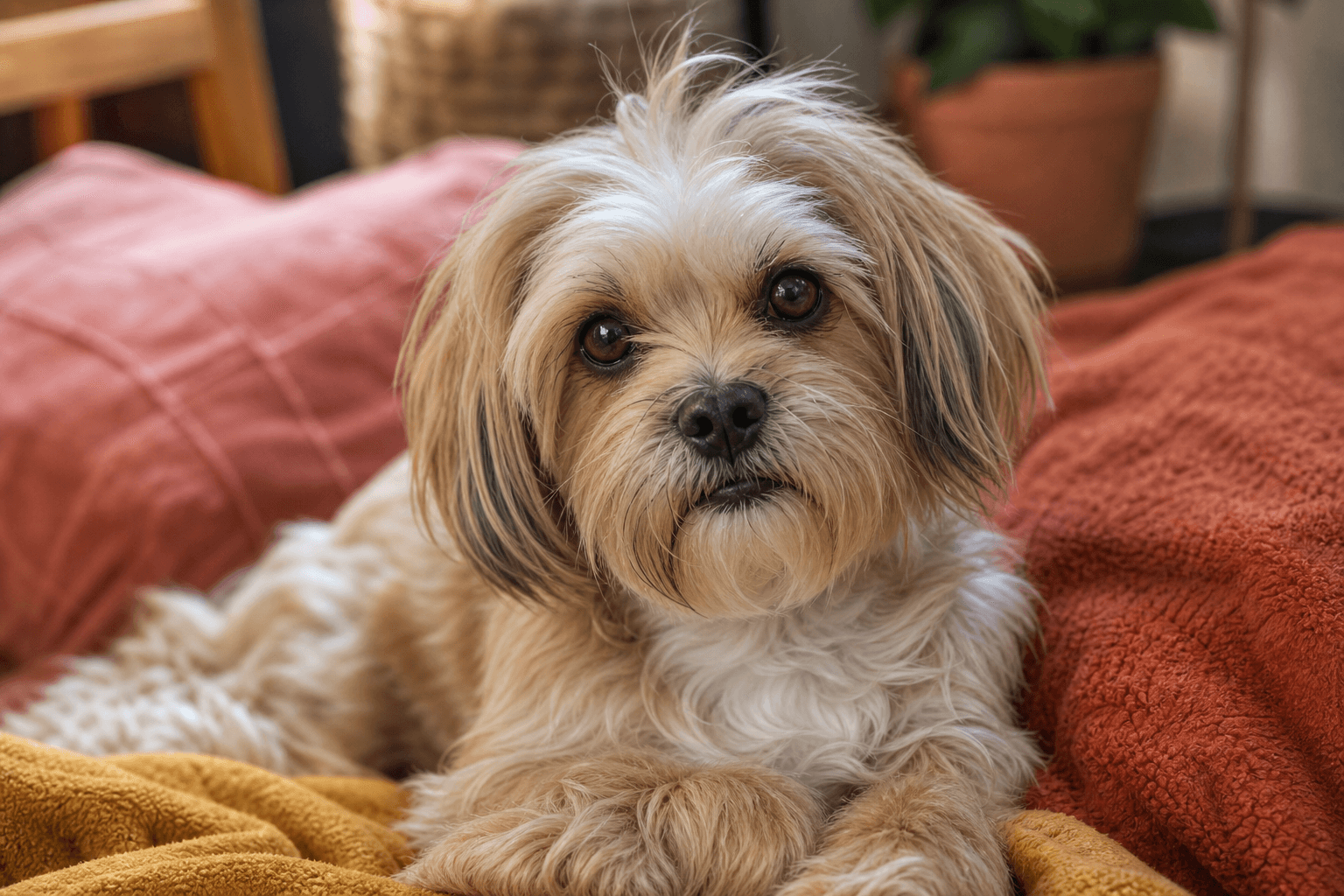
You clicked because you want the real-world scoop on Maltese Shih Tzus — not fluff.
We live with these charming little shadows, and we know what actually matters in daily life.
Here are the essentials, fast, so you can set your Mal-Shi up for a happy, healthy start.
1. Compact Size, Big Personality
Maltese Shih Tzus usually land around 7–14 pounds and stand under 12 inches tall.
They carry a confident, velcro-dog vibe — expect a cheerful companion who wants in on everything you do.
Size
Toy/small; easy to carry and travel with.
Energy
Moderate bursts; couch cuddler between play sessions.
Temperament
Affectionate, people-oriented, often a bit cheeky.
Noise
Alert barkers; training helps keep it reasonable.
2. Low-Shedding, Not No-Shedding
Their coat can be silky like Maltese or fluffy like Shih Tzu, and many owners notice very little shedding.
All dogs produce dander, though, so allergy relief varies by person — meet before you commit.
3. Daily Grooming Is Non-Negotiable
Plan on quick daily brushing and a full comb-out several times a week to prevent mats behind ears, in armpits, and at the hindquarters.
Professional grooming every 6–8 weeks keeps the coat manageable; a puppy or teddy cut is practical for most families.
4. Watch the Face: Tear Stains & Eyes
Flat-ish faces and light coats can show tear staining.
Wipe the eye area gently once or twice daily, keep facial hair trimmed, and ask your vet to rule out irritants like ingrown lashes or blocked tear ducts.
5. Moderate Exercise Needs
Think two short walks plus a couple of play bursts or sniffaris.
They tire mentally quicker than physically, so mix in training games and nose work.
6. Training: Sensitive, Reward-Driven Learners
They thrive on positive reinforcement and can shut down with harsh corrections.
Short sessions, tasty rewards, and clear routines make housetraining and polite manners click faster.
7. Separation Anxiety Is Common
These dogs bond hard.
Normalize alone-time early with tiny, boring departures; use food puzzles and rotate safe chews to create positive associations with you leaving.
8. Apartment-Friendly but Not “Ignore-Me” Dogs
They fit small spaces beautifully if needs are met.
Daily movement, enrichment, and a bit of training keep nuisance barking from blooming.
9. Family Fit: Gentle With Kids, Super With Seniors
Mal-Shis are generally sweet with respectful children and make excellent companions for retirees.
Teach kids to handle them carefully — small bodies are fragile, and rough play can injure tiny joints.
10. Health Watchlist for Mal-Shis
Common issues include dental disease, patellar luxation, allergies/skin irritation, ear infections, and in some lines tracheal collapse.
Routine vet checks, dental cleanings, ear care after baths, and a healthy weight go a long way.
11. Heat and Airway Considerations
Some inherit a shorter muzzle from the Shih Tzu side, making them less heat-tolerant.
Walk in the cool parts of the day, use a harness instead of a collar, and watch for noisy breathing, excessive panting, or exercise intolerance.
12. Small Dog, Small Stomach: Feeding Smart
Choose a complete small-breed diet with the right kibble size or balanced fresh food; split meals to stabilize energy.
Mind treats — a few extras add up fast on a tiny frame.
13. Lifespan and What It Means for You
Expect roughly 12–15 years with good care.
Plan for life stages: puppy socialization now, adult maintenance later, and senior comfort care down the road.
14. Cost: Upfront and Ongoing
Beyond adoption or breeder fees, budget for grooming every couple of months, annual vet care, dental cleanings, preventatives, and quality food.
Lifestyle wins come from consistency, not expensive gear.
Annual Cost Breakdown
| Expense | Annual Cost |
|---|---|
| Grooming (6 visits) | $360–$540 |
| Food & treats | $250–$450 |
| Vet care & preventatives | $300–$800 |
| Toys/training/supplies | $100–$250 |
| Est. Annual Total | $1,010–$2,040 / year (typical range) |
15. Socialization and Enrichment Matter
Early, positive exposure to sounds, surfaces, friendly dogs, and people builds a confident adult.
Keep enrichment rolling: rotate puzzle feeders, teach new tricks monthly, and let them sniff their world.
- Daily brush-through and eye wipe
- Harness for walks to protect the airway
- Two short walks plus play or sniffing games
- Skip training because they are small
- Leave them alone for long hours without prep