15 Essential Facts About Kuvaszok That Every New Owner Should Know
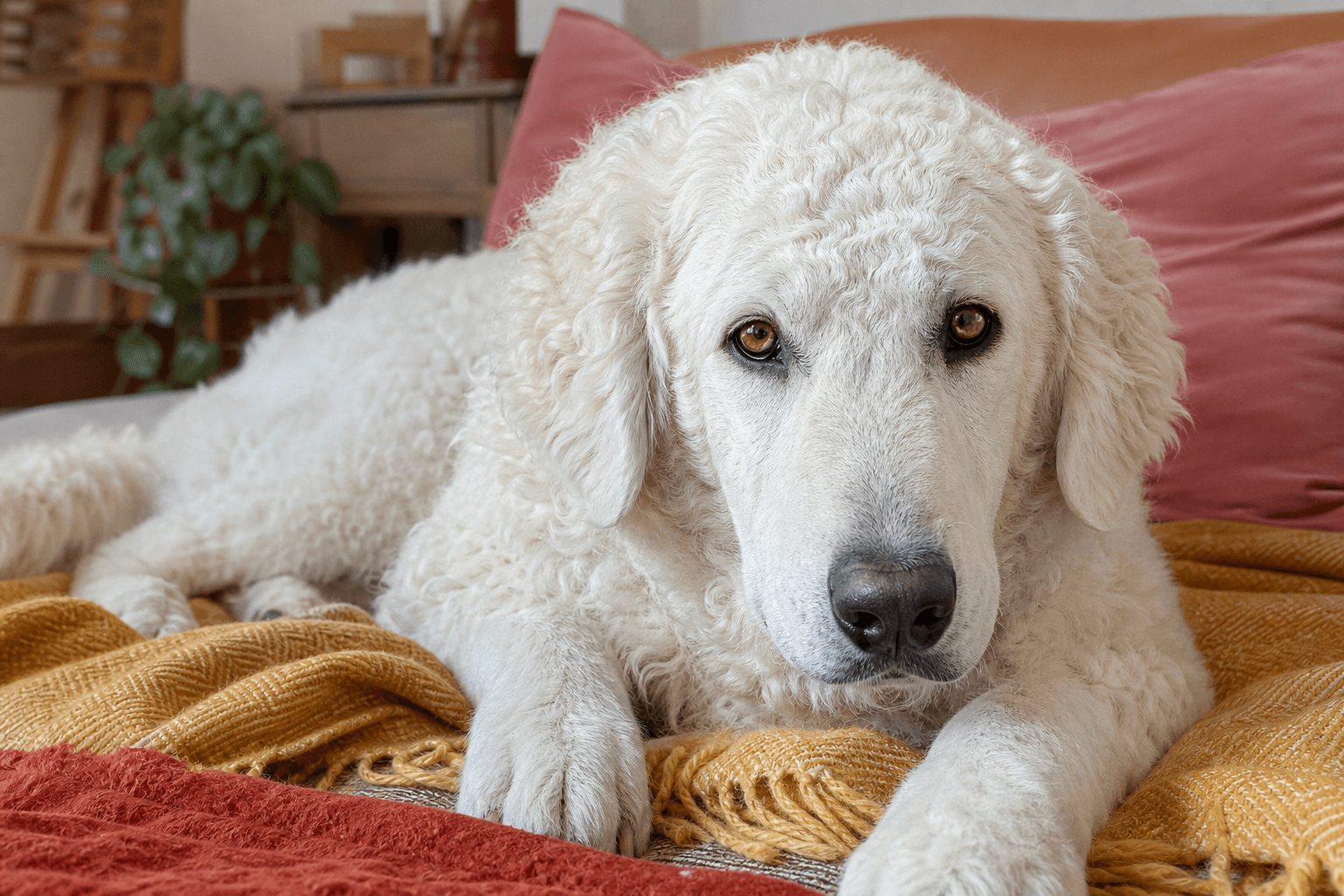
You clicked because you want the real Kuvasz picture — not fluffy myths.
Here are the essentials we wish we had in one place before bringing ours home.
Read these first, and you will avoid the most common surprises.
1. They Are True Livestock Guardians
The Kuvasz was bred in Hungary to live with and defend flocks independently, not to follow micromanaged cues.
That heritage gives you a calm, steady protector who evaluates situations on their own.
2. Size and Strength Are Real
Adults commonly reach 80–115 pounds and 26–30 inches at the shoulder.
You feel that power on the leash; invest early in leash skills and a well-fitted harness.
3. Temperament: Devoted Yet Wary
With their family, they are affectionate and gentle; with strangers, reserved to skeptical.
They read your confidence, so model calm hellos and structured introductions.
4. Early Socialization Is Non-Negotiable
Start day one with controlled exposures to friendly people, dogs, surfaces, and sounds.
Short, positive reps beat long, overwhelming outings for this thoughtful breed.
5. Training a Kuvasz Feels Different
They learn fast but question why; forceful methods backfire.
Use clear boundaries, meaningful rewards, and choices — ask for a behavior, show the payoff, then quit while you are ahead.
6. Exercise: Quality Over Miles
They need daily movement but not marathon runs.
Plan two brisk walks and a brain job: nosework, pattern games, or a short job like boundary patrols with you.
7. Barking and Night Watch
Guardians announce changes; night vigilance is common.
Teach a quiet cue, use white noise at bedtime, and block visual triggers to keep barking purposeful, not nonstop.
8. Grooming the Weatherproof White Coat
The double coat repels dirt and sheds grime as it dries, so frequent baths are unnecessary.
Brush weekly, more in shedding season, and keep nails short to protect joints.
Brush choice
Slicker for surface, metal comb to the skin to catch undercoat.
Bath rhythm
Every 6–10 weeks or as needed; fully dry to avoid skin funk.
Ear care
Check weekly; dry after swims to prevent irritation.
Paws
Trim foot fuzz for traction on slick floors.
9. Seasonal Shedding Is Serious
Expect big spring and fall coat blows.
A high-velocity dryer outdoors saves your vacuum and keeps skin healthy.
10. Heat and Climate Considerations
The Kuvasz tolerates cold well but struggles in heat and humidity.
Walk at dawn, provide shade and cool water, and avoid midday exertion.
11. Secure Fencing and Yard Management
They are boundary-aware but will investigate if a gap invites them.
Use a 6-foot solid fence, lock gates, and supervise yard time during adolescence.
12. Health: Hip Dysplasia and Bloat Awareness
Responsible breeders screen hips and elbows; ask for OFA or equivalent results.
Large, deep-chested dogs are at risk for gastric dilatation-volvulus (bloat), a surgical emergency.
13. Nutrition for Slow, Steady Growth
Feed a large-breed puppy formula to support joint health and controlled growth.
Use measured meals, consider a slow feeder, and split food into two or three portions.
14. Life Expectancy and Maturity Timeline
Average lifespan is about 10–12 years.
Mental maturity is slow; adolescence can run 18–24 months, so keep routines consistent.
15. Is a Kuvasz Right for Your Home?
They thrive with confident owners who want a partner, not a perpetual fetch buddy.
If you can provide structure, space, and steady socialization, a Kuvasz repays you with loyal, thoughtful guardianship.