15 Essential Facts About Gordon Setters That Every New Owner Should Know
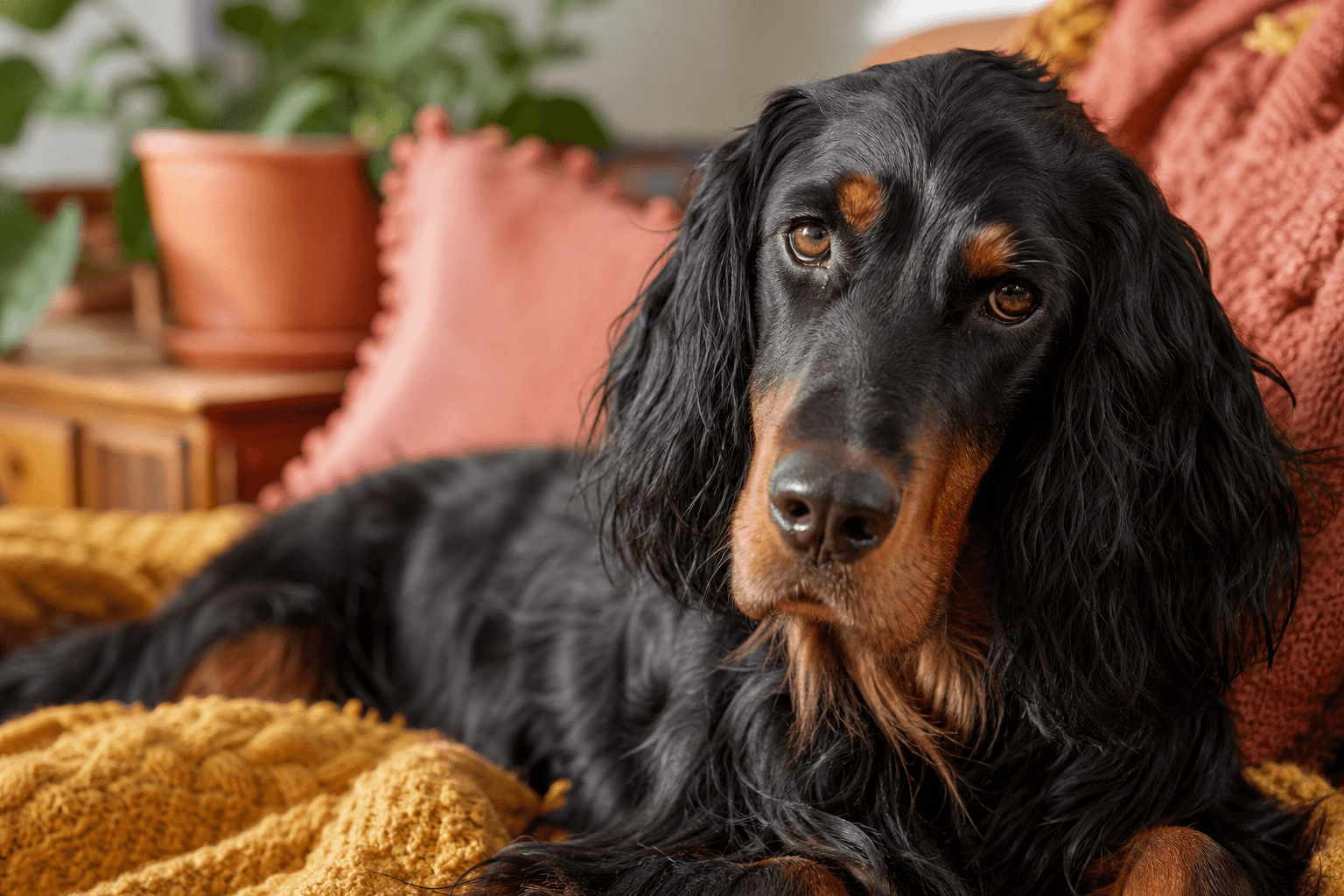
You clicked because you want the real Gordon Setter picture without the fluff.
Here are the essentials we wish we knew before bringing one home — quick, honest, and field-tested.
Skim the list, bookmark what matters, and you will be two steps ahead by tonight.
1. Big, Athletic, And Truly Scottish
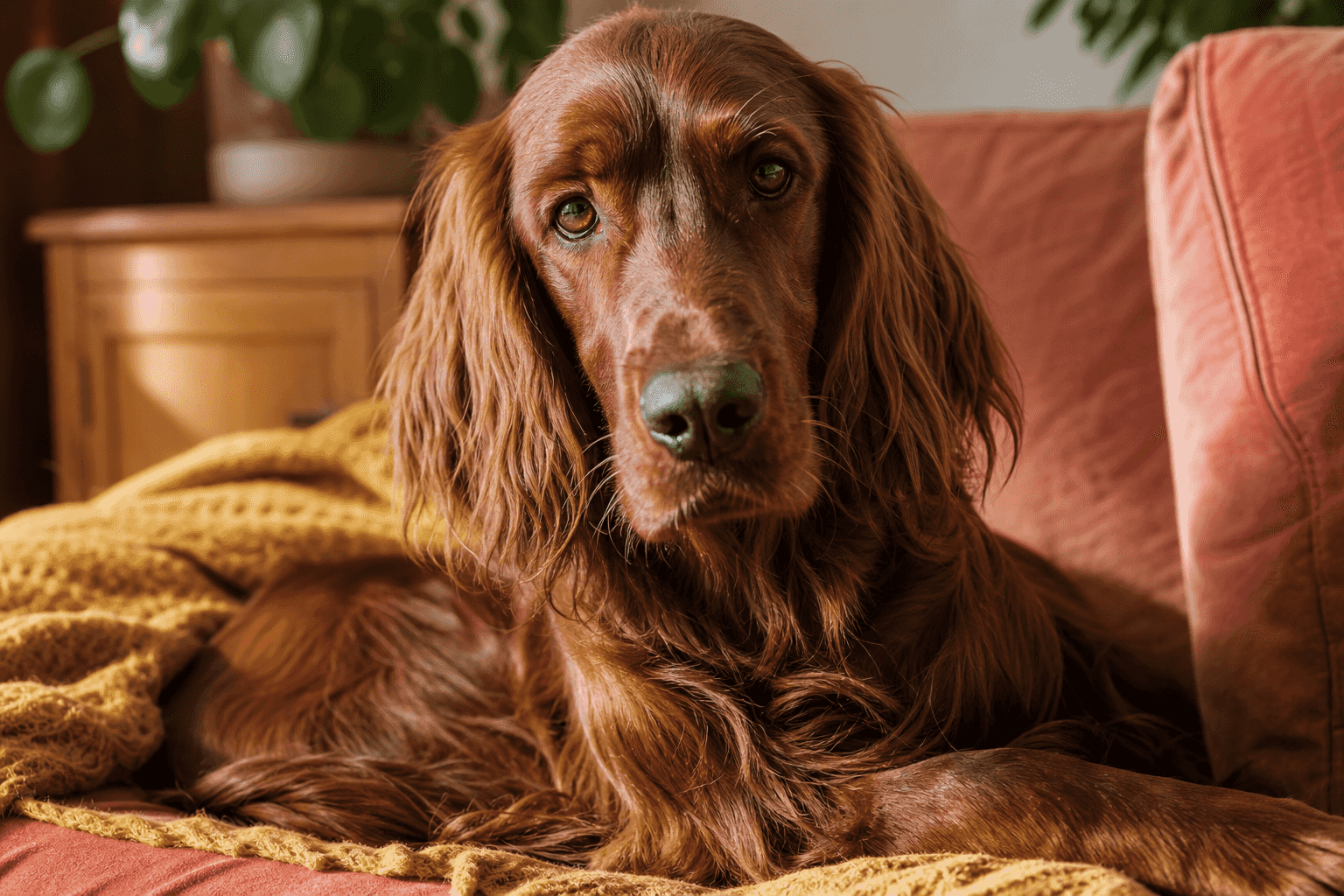
Gordon Setters are large gundogs from Scotland, built to work all day in rough cover.
Expect roughly 55–80 pounds, 23–27 inches at the shoulder, and a strong, balanced frame with that signature black-and-tan coat.
2. Temperament: Affectionate Yet Independent
They are devoted house dogs who bond hard and love being part of everything.
Under that sweetness lives a thoughtful, independent worker; they are not robotically biddable and appreciate being asked, not barked at.
3. Exercise Needs Are Non‑Negotiable
Plan on 60–90 minutes daily of real movement plus sniffy brain work; weekends do not erase weekday boredom.
Without a job, a Gordon will invent one, and you may not love the results.
4. Training Style: Fair, Fun, And Consistent
They thrive on positive methods, short sessions, and clear rules; heavy-handed corrections sour the relationship fast.
We keep cues cheerful, reward generously, and end on wins — it pays off in focus outdoors.
5. Recall Is The Hard Skill
Birdy instincts run deep, so a rock-solid come-when-called takes months of proofing around wildlife.
Use long lines, high-value rewards, and games like restrain-and-release to make returning the best choice they know.
6. Grooming: More Than A Brush-Over
The silky coat and feathering mat if ignored; expect weekly line-brushing, ear checks, and tidy-ups of feet, hocks, and sanitary areas every few weeks.
Most of us book a setter-savvy groom every 6–8 weeks to keep the outline neat and the coat breathable.
7. Shedding And Housekeeping
Moderate shedding year-round with seasonal bumps — not a fur explosion, but you will vacuum.
Feathering traps burrs and mud; a quick rinse and comb after hikes prevents tangles later.
8. Health Watchlist
Priorities to screen and monitor: hip and elbow dysplasia, bloat risk, hypothyroidism, and late-onset PRA affecting vision.
Choose breeders who do OFA or PennHIP, elbow clearances, thyroid panels, and PRA testing; learn bloat symptoms and keep an emergency plan.
9. Slow To Mature
Gordons are puppies in their heads for a while; adolescence can stretch past two years.
It is normal to see moments of selective hearing — double down on structure and routines, not frustration.
10. Space And Lifestyle Fit
They can live happily in apartments if exercise is met, but a securely fenced area makes life easier.
Daily companionship matters more than square footage; this is not a backyard-alone breed.
11. Field Vs. Show Lines
Field-bred dogs are often lighter, higher-octane, and game-obsessed; show lines tend to be heavier-boned with a slightly calmer default.
Great dogs come from both; ask about energy and work style, not just titles.
12. Social With People, Sensible With Strangers
Most are friendly and polite without being pushy greeters.
Early, positive exposure to kids, dogs, and city noises builds the unflappable adult you want.
13. Weather And Outdoor Realities
The coat sheds rain and shrugs off cold hikes, but heat and humidity sap them quickly.
We shift workouts to dawn or dusk in summer and carry water plus shade breaks.
14. Food And Growth For A Large Breed
Feed a large-breed puppy formula to slow skeletal growth and support joints; avoid over-supplementing calcium.
For adults, divide meals, use a slow bowl if they bolt food, and discuss bloat-reduction strategies with your vet.
15. Activities They Truly Love
Beyond upland hunting, they excel in nosework, tracking, canicross, obedience, rally, and long, purposeful hikes.
Give them a job and they give you their heart — and that famous setter grin.
Ready to sanity-check your setup before go-day?
- Daily plan for 60–90 minutes of exercise and enrichment
- Secure long line, whistle, and high-value rewards for recall training
- Grooming kit: pin brush, comb, thinning shears, ear cleaner
- Breeder or rescue provided health clearances and vet records
- Expectation that this is a companion dog, not a backyard ornament
- Off-leash freedom everywhere from day one
- Skipping adolescence structure because they seem calm today
They settle beautifully at home after they have worked. Without a job, mischief grows.
They respond best to positive, consistent training that protects the relationship.
Field and show lines can differ notably in drive, style, and pace — ask breeders specific questions.
Generally yes when well socialized. They are affectionate family dogs; supervise around small pets that move like prey and teach gentle manners early.
Brush weekly, check ears after wet or muddy outings, and book a tidy or trim every 6–8 weeks to manage feathering and feet.
Yes, if you commit to daily exercise, mental work, and training. A fenced area and long-line time help a lot.
Name game, recall foundations on a long line, loose-leash walking, settle on a mat, and handling for grooming and vet care.
About 10–12 years with good preventative care, appropriate exercise, and a sensible weight.