15 Essential Facts About German Longhaired Pointers That Every New Owner Should Know
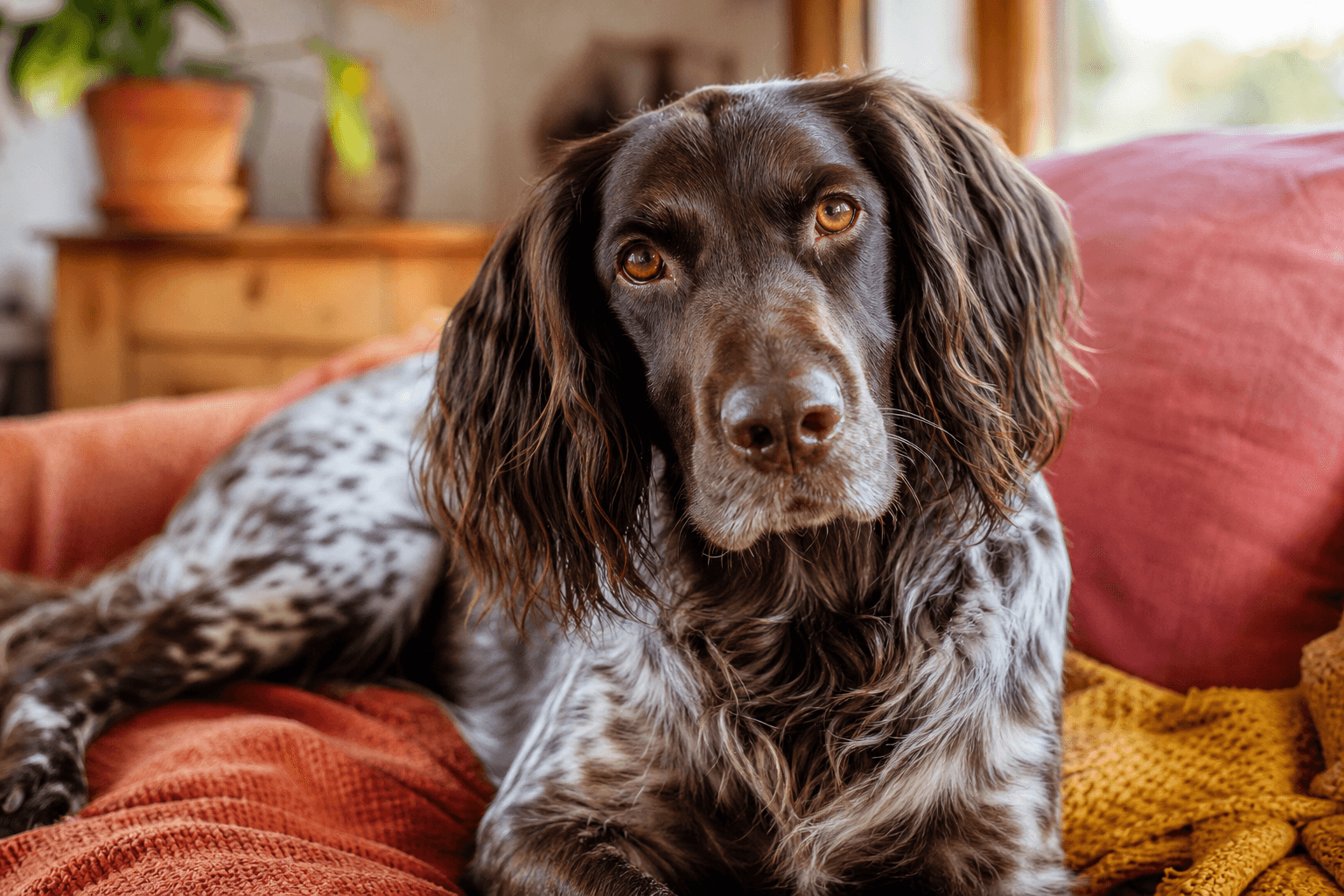
You fell for the silky coat and soulful eyes — and the promise of a versatile, athletic partner.
Here are the fast facts we wish we knew on day one, so you can skip the guesswork and enjoy your German Longhaired Pointer from the start.
1. A True Versatile Gundog
German Longhaired Pointers were bred to point, track, and retrieve on land and in water. That versatility translates to a dog who thrives when you mix tasks and let them use nose, brain, and body.
Even if you do not hunt, you will see the instincts: the freeze on scent, the ground scanning, the gentle retrieve.
2. Energy That Demands a Job
This is not a casual-walks-only companion. Plan on 90 to 120 minutes of physical activity most days, with real off-leash gallops in safe areas plus brain work.
Field-style exercise
Long-line search games in a meadow; quartering patterns; fetch with steadiness.
Brain work
Nosework hides, tracking lines, place-board drills, puzzle feeders.
Cross-training
Swims, canicross, bikejor on soft trails, or a flirt pole for short sprints.
Rest days
Swap miles for sniffing and shaping games to prevent overuse injuries.
3. Smart, Sensitive, and People-Oriented
They bond hard and read your mood. GLPs learn fast with upbeat, consistent training and wilt with harsh corrections.
4. Early Socialization Is Non-Negotiable
Expose your pup to calm dogs, varied surfaces, farm smells, boats, and friendly strangers before 16 weeks. Pair each with food and a way to disengage.
We aim for quality over quantity: short, structured sessions beat chaotic dog parks every time.
5. The Coat: More Feathering Than Fluff
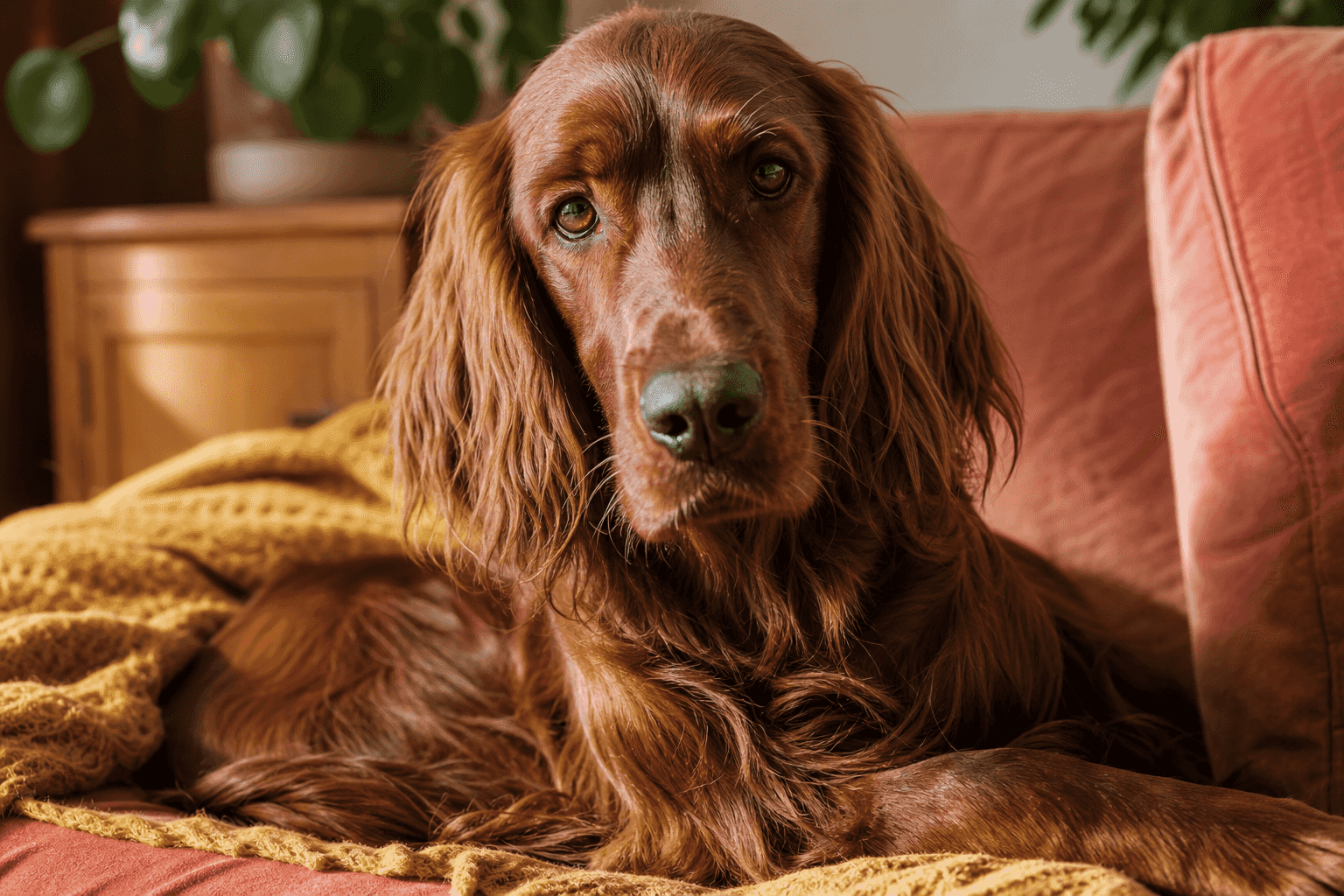
The medium-length coat has a soft undercoat with feathering on ears, belly, legs, and tail. Weekly brushing and post-hike burr checks keep mats away.
Trim feet and sanitary areas as needed; full-body clips are not typical and can compromise weather protection.
6. Not Hypoallergenic and They Do Shed
Expect seasonal shedding and some year-round drift. A slicker brush, metal comb, and a gentle deshedding routine during coat blows make cleanup manageable.
7. Size, Strength, and Space Needs
Most adults land around 60 to 75 pounds with long legs and serious reach. They can live in an apartment if exercise is met, but a secure yard or daily access to open space is a sanity-saver.
Leash manners matter; these dogs can pull when a pheasant scent hits.
8. Recall Is Your Lifeline
The prey drive is real. Build recall from day one with a long line, high-value pay, and rules about when freedom starts and ends.
Recall rules we live by
- Pay like it mattersFresh meat or a favorite toy, every single time in early training.
- Practice away from game firstMaster recalls at home, then fields with low wildlife pressure before hotspots.
- No free ignoringDo not cue recall unless you can enforce it with a long line.
9. Health: What To Screen and Watch
Responsible breeders screen hips and elbows and health-check eyes; ask for documentation. Like many deep-chested breeds, GLPs can be at risk for bloat.
Also watch ears after water work and tails after hard days; happy-tail splits are a thing.
10. Food and Body Condition
Fuel the work, not the bowl. We keep GLPs lean and muscled so joints stay happy. Performance formulas or balanced home-prepared diets can work; track stools, energy, and weight, not buzzwords on bags.
- Feel ribs with light pressure
- Tuck at the waist visible from the side
- Bowl-based boredom feeding
- Measured meals and training calories counted
11. Weather and Terrain Readiness
The coat sheds water decently and insulates in cold, but prolonged wet chills them. A fitted drying robe and a breathable rain sheet help after hunts.
On thorny ground, feathering picks up debris; booties can protect pads on ice or abrasive trails.
12. Water Work Comes Naturally
Many GLPs love to swim and retrieve from ponds and lakes. Introduce water slowly in warm conditions and keep first sessions short to build confidence and stamina.
Ready to bring the field home?
13. Rarity Affects Finding a Pup
Outside of Europe, GLPs are uncommon. In the United States they are not fully recognized in the main AKC conformation classes and are often found via clubs or the Foundation Stock Service, depending on current status.
Expect waitlists, breeder interviews, and possibly travel. Prioritize health testing and proven working temperaments over convenience.
14. Family Life and Household Fit
With exercise and structure, GLPs are affectionate, goofy housemates. Without it, they invent jobs you will not like, from counter-surfing to garden redesign.
They are generally good with respectful kids and can coexist with cats if raised together, but small, fast pets may trigger chase.
15. Training Goals for the First Year
Nail down recall, loose-leash walking, place/stay for off-switch, retrieve foundations, and calm crate time. Layer in nosework or tracking early to satisfy the brain.
Most adults thrive on 90 to 120 minutes daily, mixing free running, structured drills, and sniffing. Quality and variety beat just piling on miles.
Brush weekly, trim feet and sanitary areas as needed, and increase to several short sessions during seasonal sheds. Always dry ears after swims.
They can be with training. Build recall on a long line, pay generously, and follow leash laws, especially around wildlife.
Screened hips and elbows are important. Watch for ear infections, eye problems, and signs of bloat; know emergency clinics near you.
Yes, if you meet exercise and mental needs daily and commit to real field-style outings several times a week.