15 Essential Facts About Curly-Coated Retrievers That Every New Owner Should Know
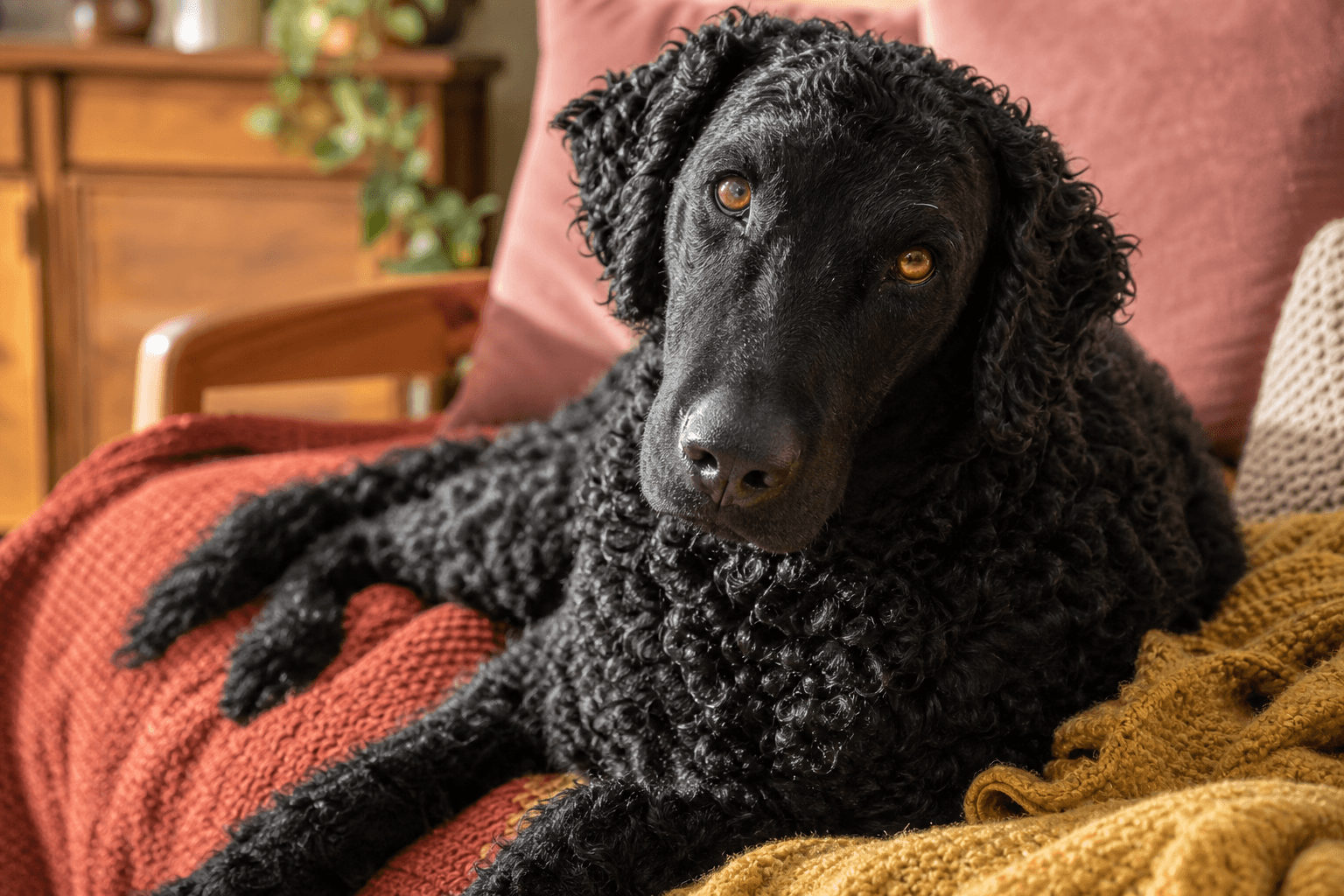
You clicked because you want the real Curly-Coated Retriever picture, fast.
This is the no-fluff guide we wish we had before bringing a Curly home.
Here are the 15 things that actually matter in day-to-day life with this brilliant, curly athlete.
1. They Are One of the Oldest Retriever Breeds
Curly-Coated Retrievers predate Labs and Goldens, with roots in British waterfowling and gamekeeping.
You will feel that heritage in their confidence, independence, and love of real work.
2. The Coat Is Tight Curls, Not Fluff
Those crisp, tight curls form a weather- and water-resistant jacket over a relatively low undercoat compared to other retrievers.
The coat protects in cold water and rough cover while staying sleek, not poofy.
3. Exercise Needs Are Serious
Plan on 60 to 90 minutes daily, split between aerobic work and brain games.
They are bred to go all day; a quick block walk will not cut it.
4. Training a Curly Is About Motivation, Not Force
Curlies are smart and biddable, but a touch independent.
Short, upbeat sessions with food, toys, and field-relevant tasks beat repetitive drilling every time.
Make it a job
Fetch to hand, blind retrieves with bumpers, and scent games channel natural instincts.
Keep sessions short
Five minutes of focused work, break, then another five. Quit while they still want more.
Reward variety
Rotate treats, toys, and praise. Predictable rewards lose power with this clever breed.
Generalize cues
Practice sits, stays, and recalls in new places; Curlies notice context more than you think.
5. They Are Aloof With Strangers but Loyal to Their People
Expect a calm, reserved greeting for new folks and a shadow-like devotion to family.
This is normal breed temperament, not a social deficit.
6. Socialization Early and Often
Because of that natural reserve, intentional socialization from 8 to 16 weeks matters.
Think quiet cafés, friendly visitors, neutral dogs, vet handling practice, and city sounds at a comfortable distance.
7. Excellent Swimmers With a Few Water Rules
The coat and build make them confident in water, from ponds to surf within reason.
Introduce currents gradually, rinse after murky water, and warm them up before long retrieves in cold conditions.
8. Grooming: Less Brushing, Smarter Maintenance
Over-brushing lifts curls and mats can tighten underneath.
Use a wide-tooth comb for the occasional check, trim feet and tail for neatness, bathe sparingly, and let the coat reset naturally.
9. Shedding Is Real and They Are Not Hypoallergenic
Expect light-to-moderate year-round shedding with seasonal swings.
If you are dander-sensitive, meet adult Curlies before committing.
10. Health Watchlist: Hips, Elbows, Eyes, and Bloat
Responsible breeders screen hips and elbows and perform eye exams to watch for cataracts or retinal disease.
As a deep-chested breed, they can be at risk for gastric dilatation-volvulus. Know the signs and have an emergency plan with your vet.
11. Big Dog, Subtle Energy Indoors
Males often stand around mid to upper 20 inches at the shoulder and are solidly built; females are a bit smaller.
With good exercise, they lounge well at home, but that size and happy tail can sweep coffee tables clean.
12. Food, Weight, and Keeping That Athlete Build
Feed a high-quality diet that suits age and workload, and watch body condition more than the bag chart.
Split meals, use slow feeders for gulpers, and skip heavy exercise right before and after meals.
13. Not a Common Breed: Finding a Good Breeder or Rescue
Curlies are rare; expect waitlists.
Look for health testing, written guarantees, and owners who work their dogs in field or performance. Breed clubs can connect you with reputable breeders and rescues.
14. Great for Dog Sports and Real Jobs
They thrive in field work, hunt tests, tracking, dock diving, rally, and obedience when training is kept purposeful.
Jobs that use nose and retrieve instincts bring out their best selves.
15. Lifespan and What a Good Life Looks Like
Average lifespan is around 10 to 12 years, with many reaching the upper end with smart care.
Daily activity, mental work, preventive vet care, and time in nature with you are the keys.