15 Essential Facts About Cavapoos That Every New Owner Should Know
You clicked because you want the real Cavapoo picture, fast.
Here are the essentials we wish we knew on day one — clear, practical, and based on lived experience.
Skim the list now, and you will avoid the most common first-year mistakes.
1. Cavapoos Are Friendly People-Pleasers
They are affectionate, social, and thrive on being part of your routine.
That eagerness to please makes them easier to train and a joy in family life, but it also means they want your time every single day.
2. Size and Energy: Small Dog, Medium Engine
Most Cavapoos land between 12 and 25 pounds depending on whether the Poodle parent was toy or miniature.
Energy-wise, expect a playful companion who enjoys daily outings and brain games, not a couch ornament.
3. Not Truly Hypoallergenic
Many Cavapoos shed lightly and produce less dander than some breeds, but no dog is fully hypoallergenic.
If allergies are a concern, plan meet-and-greets with the actual dog and keep up with home grooming and air filtration.
4. The Coat Is a Commitment
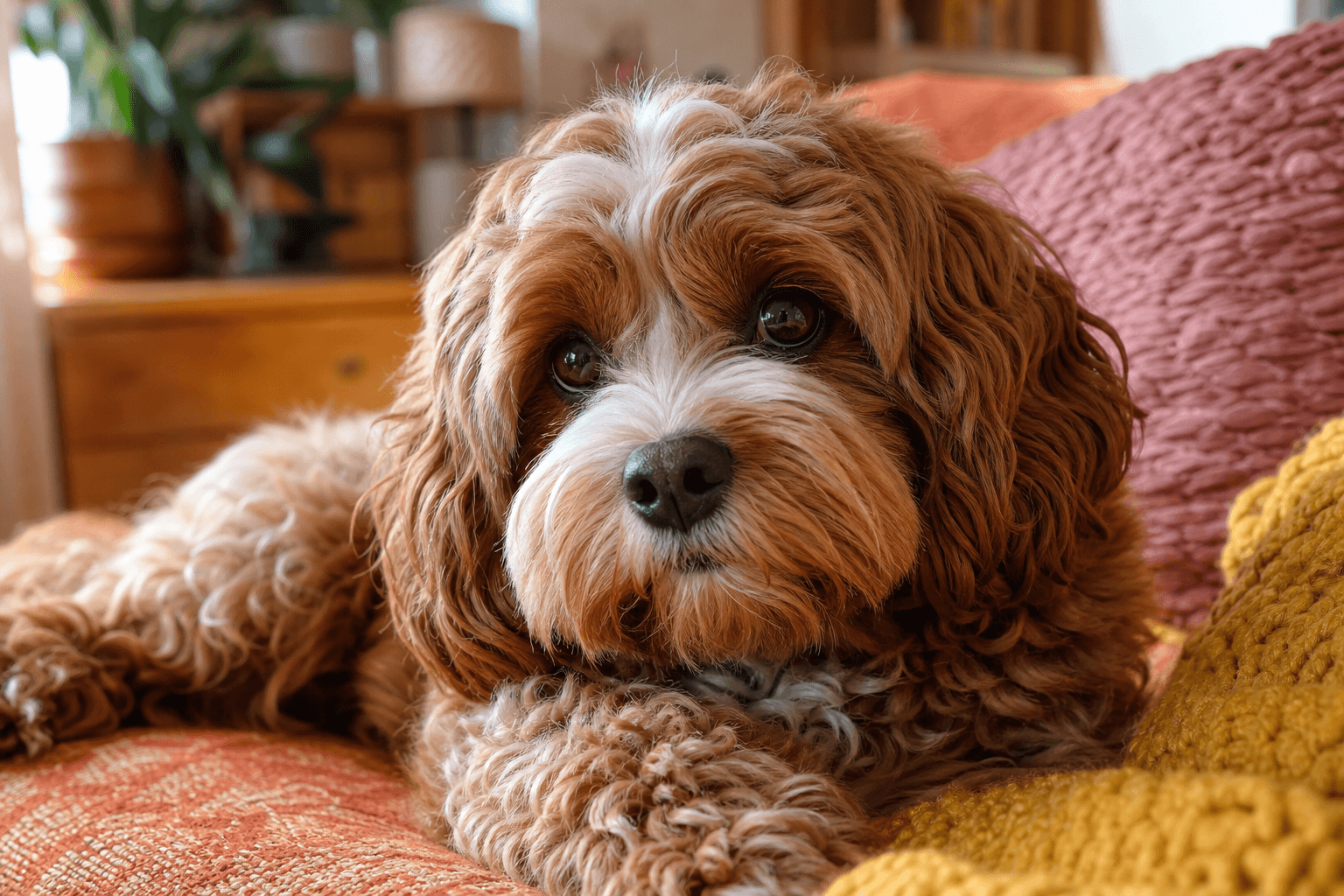
That plush teddy look takes real work. Most Cavapoos need brushing three to four times a week to prevent mats, plus a professional groom every six to eight weeks.
Coats range from wavy to curly; curlier coats resist shedding a bit more but mat faster behind ears, under the collar, and in the armpits.
Home care
Slicker brush, metal comb, and detangling spray. Tackle friction zones first.
Bath rhythm
Every 3 to 4 weeks with a gentle, dog-safe shampoo to keep skin balanced.
Puppy trims
Introduce the groomer early for calm, low-stress visits later.
Clip length
Shorter pet trims are cooler and lower-maintenance without losing the cute.
5. Health: Know the Common Risks
Like all mixes, Cavapoos can inherit issues from either side. Work with your vet and choose breeders who health test parents.
- Heart: Mitral valve disease is seen in Cavalier lineage; ask for cardiology clearances.
- Joints: Patellar luxation and hip dysplasia can appear; keep them lean and avoid high-impact jumping while young.
- Ears and skin: Floppy ears trap moisture, so dry thoroughly after baths and swimming.
- Teeth: Small mouths crowd teeth; daily brushing helps prevent early dental disease.
6. Lifespan and What It Means
Typical lifespan runs about 12 to 15 years with good care.
Plan for shifting needs over time: energetic youth, steadier adult years, and senior accommodations like softer bedding and joint support.
7. Training Is Reward-Based and Fun
Cavapoos respond beautifully to positive reinforcement and short, upbeat sessions.
They read your tone. Keep cues consistent, pay quickly, and end on a win.
8. Socialization Starts Day One
Expose your puppy to different sounds, surfaces, people, and gentle dogs before four months, and keep it going.
Short, positive experiences build a confident adult who handles vet visits, grooming, and travel without drama.
9. They Can Struggle With Alone Time
Velcro tendencies are common. Without practice, separation distress can bloom.
Teach independence early with safe confinement, food puzzles, and tiny departures that grow slowly. Avoid marathon first absences.
10. Diet and Weight Watch
Small dogs gain quickly. Use a quality, life-stage-appropriate food and measure meals.
Ribs should be easy to feel under a light fat cover. High-value training treats count toward the daily total.
11. Exercise and Enrichment Needs
Most adults do well with 45 to 60 minutes of daily activity split into two or three sessions.
Mental work tires them humanely: sniffy walks, food puzzles, hide and seek, and basic obedience refreshers.
Apartment living works when needs are met smartly
12. Great for Apartments, With Caveats
They adapt well to small spaces if you provide structure, potty routines, and daily outlets.
Light alert barking can crop up. Meet their exercise needs and teach a quiet cue to keep neighbors happy.
13. Kids and Other Pets Compatibility
Generally gentle and playful, Cavapoos mix nicely with respectful kids and friendly resident pets.
Supervise with toddlers who may grab ears or fur, and teach all children to trade for toys rather than take.
14. Cost of Ownership Adds Up
Beyond adoption or purchase, budget for grooming every couple of months, quality food, routine vet care, and training classes.
Pet insurance can soften surprise bills; dental cleanings and occasional ear care are predictable recurring costs.
- Brush 3 to 4 times weekly
- Schedule pro grooms every 6 to 8 weeks
- Daily training or enrichment, even 10 minutes
- Free-feed and skip weight checks
- Leave a new Cavapoo alone for long stretches
15. Finding an Ethical Breeder or Rescue
Responsible Cavapoo breeders health test Cavaliers and Poodles for heart, eyes, hips, and patellas, and they welcome questions.
If you prefer to adopt, watch local rescues and poodle mixes groups; be ready with references and a quick response when a match appears.
Most shed lightly year-round, but coat type varies by puppy. Regular brushing and professional grooming keep hair and dander down.
Yes. Their people-pleasing nature, moderate size, and trainability suit first-time owners who commit to grooming and daily exercise.
Aim for two to four hours with training and enrichment. Build up gradually and provide a safe space, water, and a potty plan.
Toy poodle crosses trend smaller, miniature crosses larger. Ask the breeder for parent sizes; most adults finish between 12 and 25 pounds.
They can be alert barkers. Meeting exercise needs and teaching a quiet cue early keeps it manageable.