15 Essential Facts About Anatolian Shepherds That Every New Owner Should Know
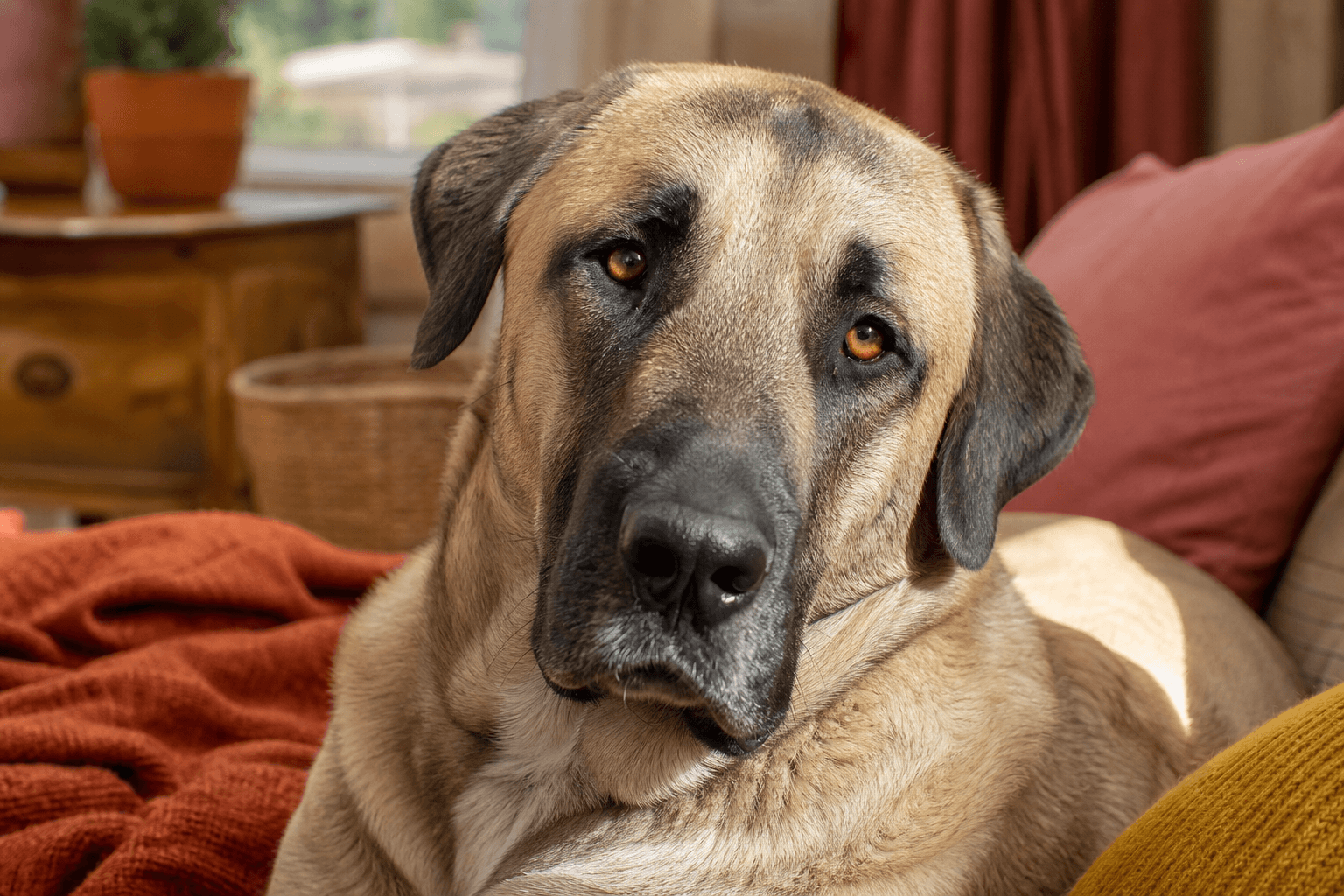
You clicked because you want the real story on Anatolian Shepherds, not sugarcoating.
We live with these majestic guardians every day—here are the essentials we wish every new owner knew on day one.
Skim the list, find your sticking points, and walk away confident.
1. They Are True Livestock Guardians
Anatolian Shepherds were developed in Turkey to live with and protect herds from predators, making independent decisions without a handler at their elbow.
That guardian mindset shapes everything: they evaluate, hold ground, and only escalate when needed.
2. Size and Strength You Feel
Expect 90 to 150 pounds of muscle with serious pushing power and a deep, carrying bark.
Leash manners and door control are safety skills, not niceties.
3. Calm, Watchful, and Deeply Independent
They are typically reserved with strangers and affectionate but not clingy with their people.
They bond to a home or herd first, then to you—a beautiful trait if you respect it.
4. Exercise Needs: More Space Than Miles
They do not need marathon runs; they need purposeful patrols and time to survey.
Two brisk walks plus daily yard time with scent work or boundary checks keeps them balanced.
5. Night Barking and Territory Are Real
They alert-bark at odd hours, especially in rural or wildlife-heavy areas.
Teach a quiet cue early and use white noise indoors; manage line-of-sight triggers outdoors.
6. Training a Thinker, Not a Follower
They respond best to short, respectful sessions, clear boundaries, and meaningful rewards.
They will question pointless drills; tie cues to real-life jobs like wait at gates and place during deliveries.
7. Early Socialization Is Non-Negotiable
Controlled exposure to friendly people, neutral dogs, livestock, and novel surfaces from 8 to 16 weeks helps prevent over-guarding later.
Prioritize quality over quantity: calm, brief, and positive.
8. Fencing Is Equipment, Not Decor
Six-foot, dig-proof fencing with secure gates is standard for this breed.
Invisible fences are risky for a dog who is driven to confront intruders and ignore discomfort when aroused.
9. Weather-Hardy Double Coat
They handle heat and cold better than many large breeds, given shade, water, and windbreaks.
Do not shave the coat; it insulates from heat and sun as well as cold.
10. Low Grooming, Big Shedding Seasons
Weekly brushing is usually enough, but during spring and fall blowouts you will fill a bin with undercoat.
Keep nails short for joint health and traction on slick floors.
11. Health and Longevity
Common concerns include hip and elbow dysplasia, entropion or ectropion, hypothyroidism, and bloat risk like many deep-chested breeds.
Average lifespan is about 11 to 13 years with good screening and weight management.
12. Feed for Slow, Even Growth
Use a large-breed puppy formula and avoid rapid weight gain to protect developing joints.
Split meals and discuss a preventive gastropexy with your vet for bloat-prone individuals.
13. Kids, Guests, and Other Pets
With thoughtful socialization, they can be gentle family guardians, but they default to protect when play gets loud.
Supervise playdates, manage entrances, and introduce new dogs on neutral ground first.
14. Best Home Fit: Country Over Condo
They thrive on acreage, farms, and homes with secure yards where their watchfulness has purpose.
Urban life can work for experienced owners who commit to management, training, and respectful routines.
15. Finding a Responsible Breeder or Rescue
Look for breeders who health test hips, elbows, eyes, and thyroid, and who assess temperament for companion versus working homes.
Rescues and breed clubs can match you with adults whose guarding level suits your lifestyle.
| Category | Rating |
|---|---|
| Apartment-Friendly | |
| Trainability | |
| Exercise Needs | |
| Family-Friendly | |
| Stranger-Friendliness | |
| Shedding/Grooming |