15 Essential Care Tips Every New Polish Lowland Sheepdog Owner Should Know
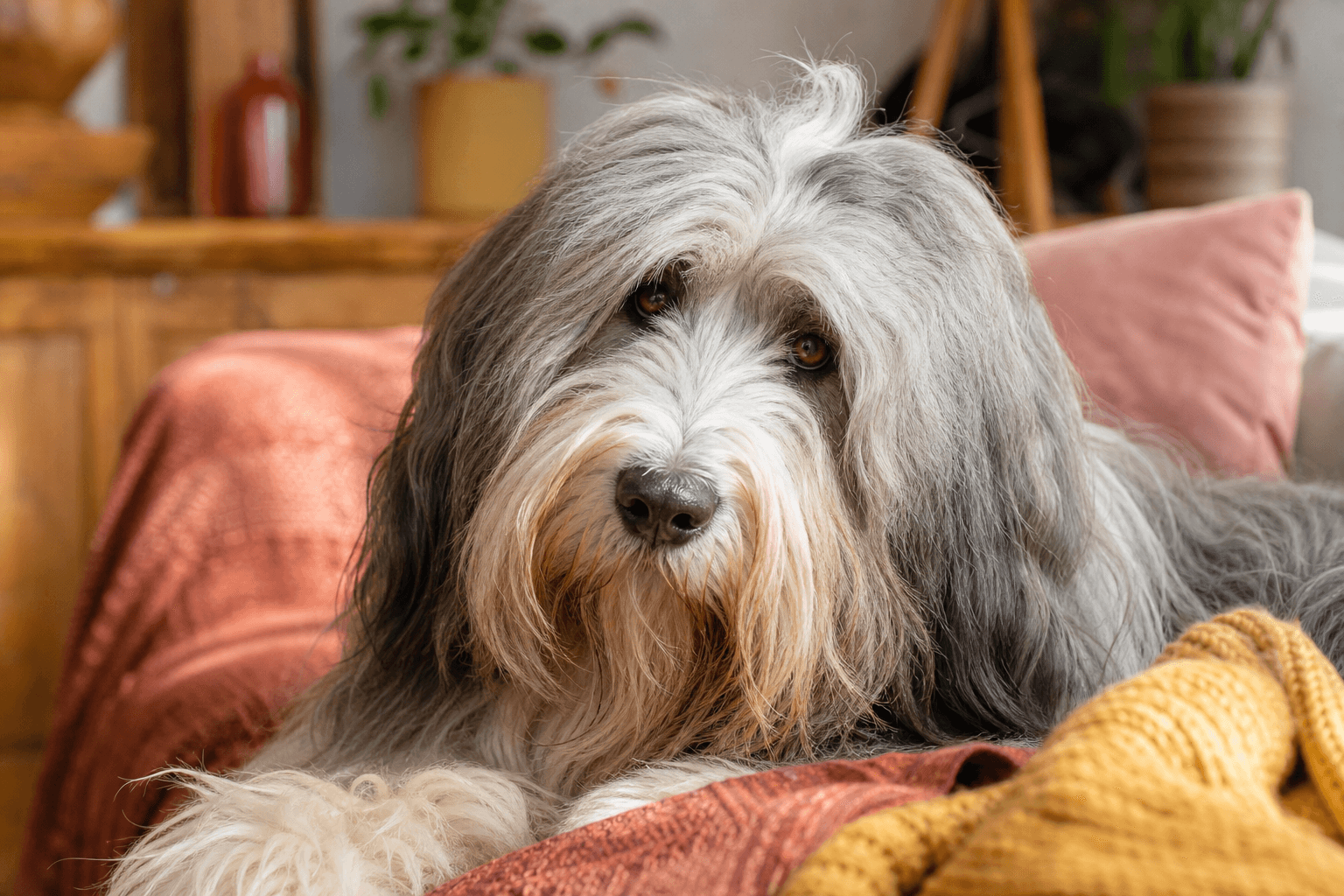
You brought home a smart, shaggy whirlwind with a heart of gold.
You want the real-world tips that actually make living with a Polish Lowland Sheepdog easier.
Here are the essentials we wish we knew on day one — quick, specific, and proven in daily life.
1. Socialize Early And Constantly
PONs are bright and observant, which can turn into wariness without steady exposure.
Pair new people, sounds, and places with treats and play from 8 weeks onward to build a confident dog, not a suspicious one.
2. Make Grooming A Weekly Rhythm
That mop-top is a dense double coat that tangles fast.
Plan on a thorough brush-out 3 to 4 times a week, and schedule a tidy-up or full groom every 6 to 8 weeks to stay ahead of mats and debris.
3. Do Not Shave The Coat
The undercoat insulates against heat and cold; shaving can damage texture and reduce natural protection.
4. Keep Eyes Clear And The Beard Clean
Part or clip the fringe so they can see; vision matters for training and confidence.
Wipe the muzzle after meals and water to prevent odor and yeast in the beard.
5. Exercise Smart: Body And Brain
Think moderate mileage, high engagement: two brisk walks plus sniffing, scatter feeding, and a 10-minute training game beats a forced run.
6. Give Them A Job
Herding breeds thrive when they have purpose.
Rotate easy jobs like toy tidy-up, platform place, nosework boxes, or low-impact agility to channel that busy brain.
7. Train With Consistency, Not Force
PONs are independent problem-solvers who shut down with harsh methods.
Use short sessions, high-value rewards, and clear criteria; end on a win and they will offer behaviors eagerly next time.
8. Fight Mats Where They Start
Focus on friction zones: behind ears, armpits, groin, tail base, and the beard.
Mist a light detangler, lift hair in layers, and use a line-brushing approach with a comb to confirm you reached the skin.
9. Nails, Ears, Teeth: The Quiet Trio
Trim nails every 2 to 3 weeks so toes stay healthy; long nails splay feet and strain joints.
Clean ears weekly after wet play, and brush teeth or use vet-approved dental chews daily.
10. Vet Plan And Breed Health
Discuss screening for hip dysplasia, progressive retinal atrophy, and thyroid issues; ask about OFA and eye certifications in their lineage.
Keep weight lean, feed a balanced diet, and stick to annual exams to catch changes early.
11. Manage The Watchdog Voice
They are natural alert barkers.
Teach a quiet cue by marking silence after a single alert and rewarding away from windows; increase indoor enrichment to reduce trigger scanning.
12. Stranger Manners And Leash Skills
Practice look-at-that games for passing people and dogs, rewarding calm eye contact back to you.
Loose-leash walking and polite greetings prevent the classic herder weave and hover.
13. Secure Spaces And Rock-Solid Recall
Install secure fencing and practice recall daily before you ever need it.
Use a long line, call once, pay big, and then release back to sniffing so coming when called does not end the fun.
14. Weather Smarts For A Double Coat
The coat sheds water and cold, but heat and humidity are taxing.
Walk at cooler hours, offer shade and cool mats, dry thoroughly after rain, and never leave a wet, compressed coat that can mat at the skin.
15. Kids, Cats, And Household Harmony
They can be wonderful with families, but herding instincts may surface as nudging or circling.
Teach kids to be still trees, redirect the dog to a mat, and reward calm coexistence; supervise introductions with smaller pets.
- Pin brush, metal comb, detangler, grooming table or non-slip mat ready
- Shave the coat in summer to keep cool
- Plan two brisk walks plus brain games daily
- Recall on a long line, paid with top-tier treats
- Leave wet coat to air-dry in mats
Turn these tips into a routine and life gets easier fast.