15 Best Dog Breeds for People Who Live Alone
You live solo, but you do not want to feel alone.
These breeds bring warmth without overwhelming your schedule.
We picked pups that are people-focused, adaptable to apartments, and realistic about daily life.
What we prioritized
Calm temperaments, reasonable exercise needs, and trainability for alone time.
Apartment-friendly
Breeds that tend to be quieter and content with indoor downtime.
Health realities
We note breeds with known care needs so you can plan early.
Beginner fit
Options for first-timers plus a few for confident, experienced owners.
Let us meet the breeds that make solo life sweeter
1. French Bulldog
Homebody hearts with clown energy. Short walks and lots of couch time suit them perfectly.
They crave your company but usually nap hard between play sessions; crate and alone-time training from day one keeps them confident.
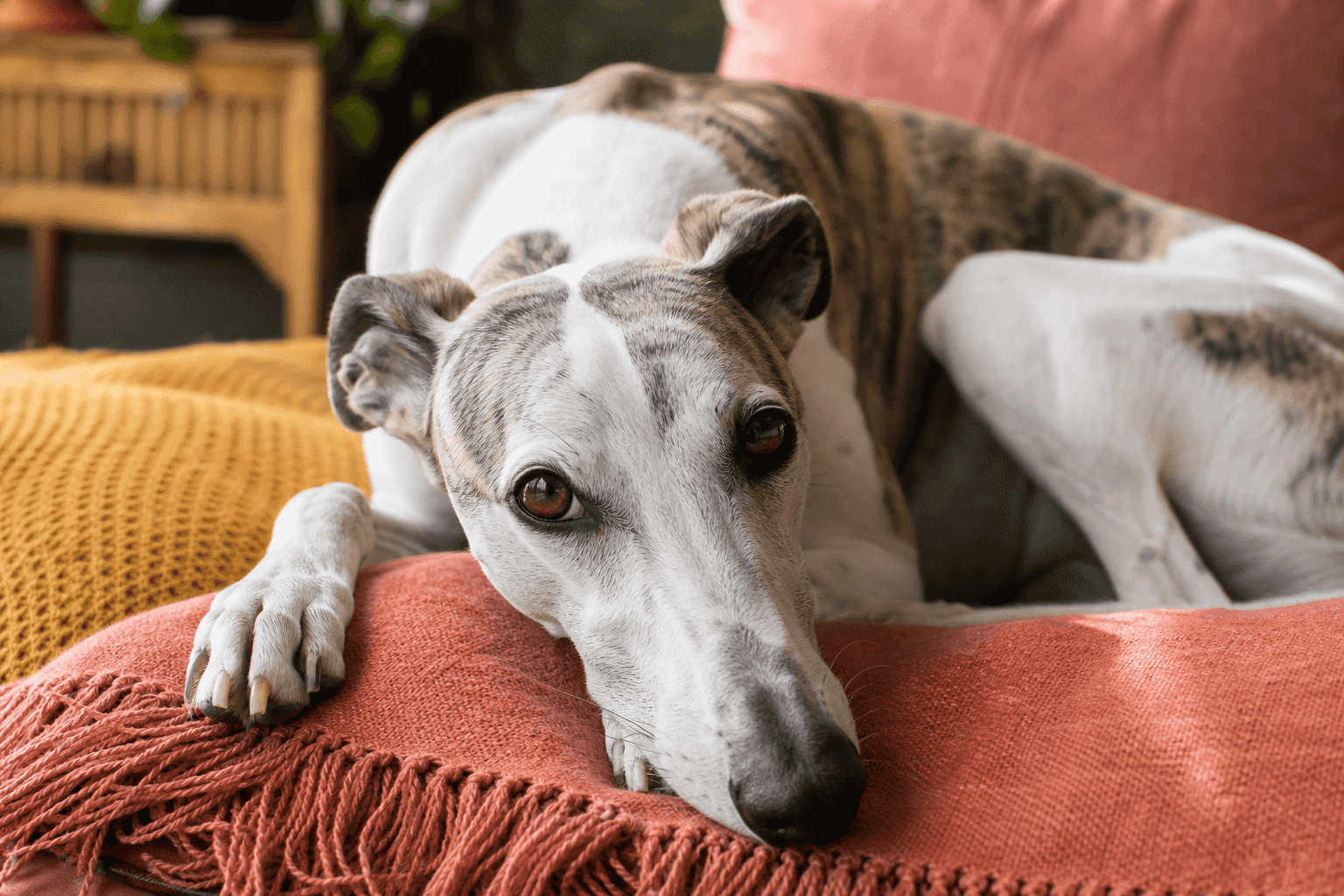
2. Greyhound
The ultimate calm roommate. Despite sprinting roots, they are gentle, quiet, and love to loaf.
Two 20-minute walks and a weekly zoom is plenty for most retired racers.
3. Whippet
Like a smaller greyhound with a velcro streak. Athletic outside, serene inside.
They are sensitive and prefer soft guidance, puzzle toys, and a warm blanket.
4. Boston Terrier
Cheerful, people-first, and adaptable to city living.
Short snout means mindful exercise on hot days, but their easygoing nature fits a busy schedule.
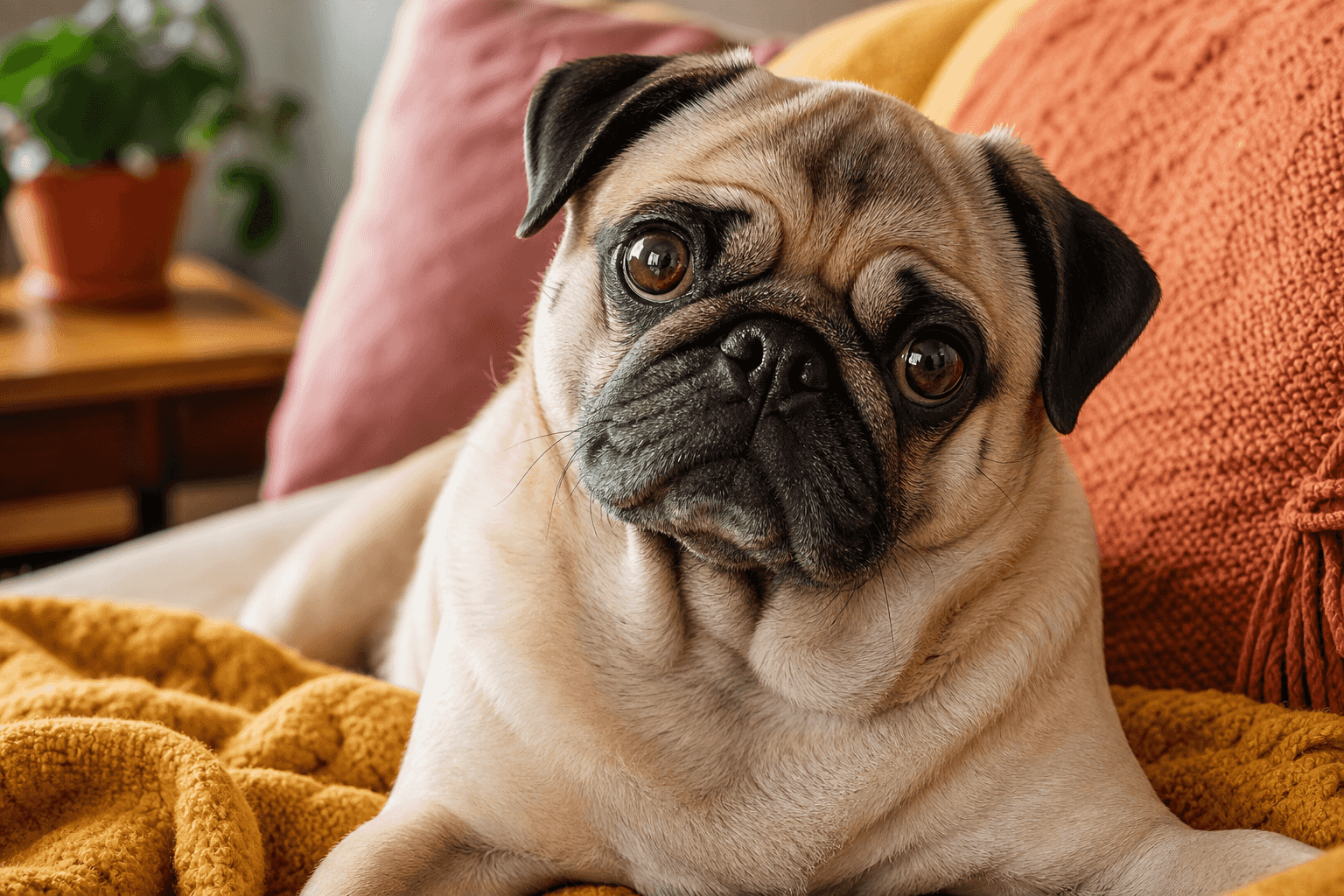
5. Pug
Comic companions who thrive on routine and short strolls.
Expect snorts and silliness; keep weight in check to protect their breathing and joints.
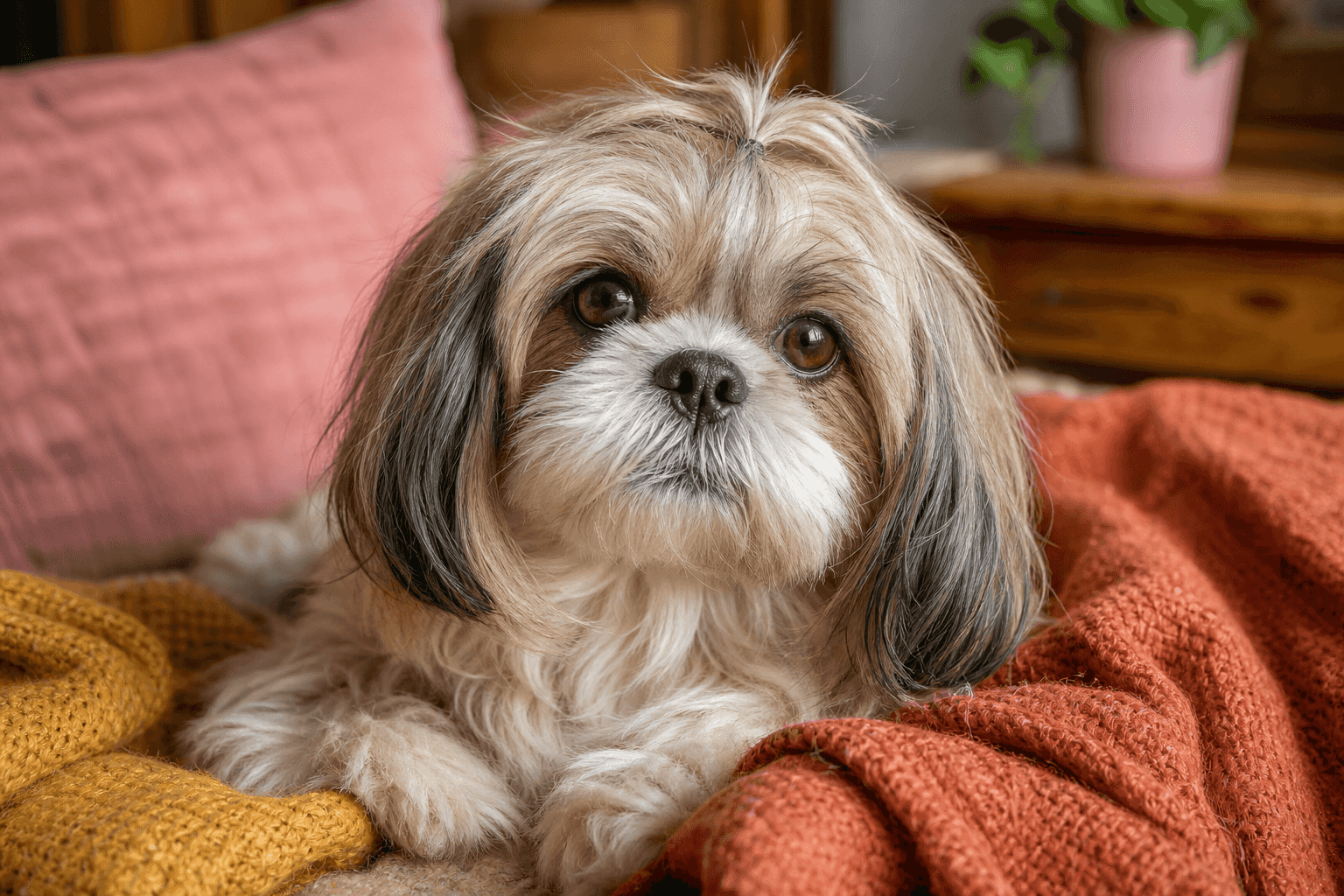
6. Shih Tzu
Calm lapdogs with a friendly outlook toward neighbors and guests.
Daily brushing if kept long, or opt for a practical puppy cut to simplify grooming.
7. Chihuahua
Big personality in a portable package. Bond strongly and do well in small spaces.
Socialization is everything so they do not over-guard you or the couch.
8. Basset Hound
Low to the ground, high on charm. Content with ambling walks and long naps.
They can be stubborn; trade force for food rewards and patience.
9. Basenji
Independent, catlike, and famously yodel-y rather than barky.
Best for confident owners who enjoy puzzle games, scent work, and a tidy housemate.
10. Miniature Schnauzer
Smart, sturdy, and up for anything from city walks to weekend hikes.
Regular grooming and mental work keep that keen brain happy and manners sharp.
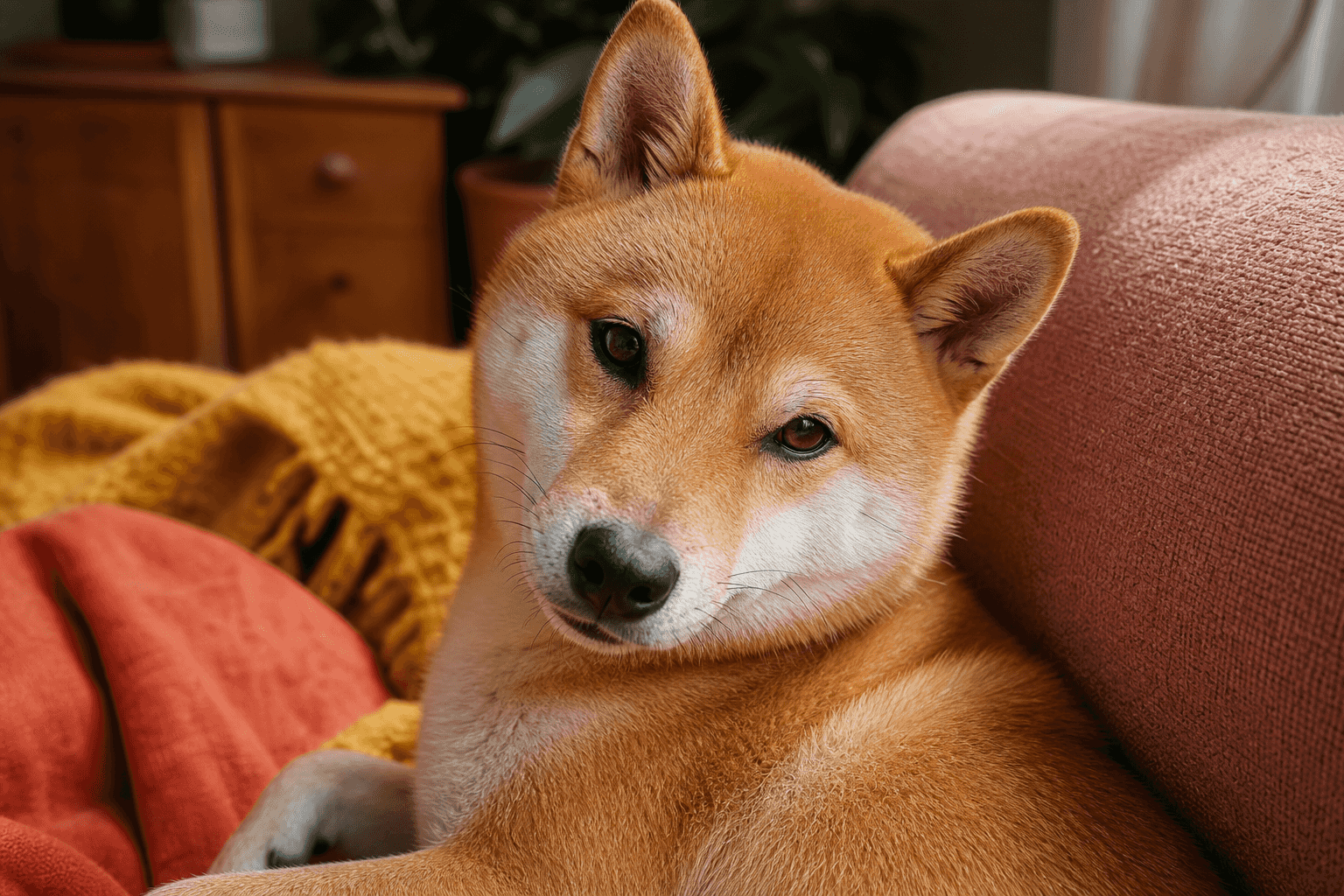
11. Shiba Inu
Independent and clean with moderate exercise needs.
They are not a pushover breed; consistent training and secure leashes are nonnegotiable.
12. Dachshund
Entertaining, loyal, and surprisingly brave.
Mind the back: use stairs or ramps for furniture, and keep them lean.
13. Lhasa Apso
Dignified watchdogs that bond deeply yet handle alone time better than many toy breeds.
Steady routines and gentle leadership bring out their affectionate side.
14. Scottish Terrier
Independent, devoted, and naturally moderate indoors.
They like purposeful walks and clear boundaries; expect a bit of terrier sass.
15. Miniature or Toy Poodle
Brilliant, low-shedding, and highly trainable, which makes solo-life logistics easier.
Channel that brain with snuffle mats, trick training, and short, frequent play bursts.
Living alone does not mean training alone
Alone-time foundations
- Start tinyNormalize 5 to 15 minute absences from day one; build to longer durations gradually.
- Make departures boringChew or lick mats appear when you leave; no big goodbyes or reunions.
- Exercise before exitsA sniffy walk plus a food puzzle beats a frantic dog and a chewed shoe.
- Tech helpsA basic camera lets you spot early whining and adjust your plan.
- Match energy to your real weekday routine
- Plan a midday break for puppies under six months
- Assume any dog can do 8 to 10 hours alone on day one
- Skip enrichment on days you work late
Size matters less than energy and noise. A greyhound or whippet can be quieter and calmer than a high-strung small breed. Ask about barking tendencies and daily exercise needs.
Adults can learn to relax for several hours, but jump straight to long days and you risk anxiety. Use dog walkers, day care once or twice a week, or split shifts with a neighbor while you build duration.
Greyhound, Whippet, Boston Terrier, Pug, Basenji, and Chihuahua are low-shed or short-coat options. Poodles and Schnauzers need regular trims but shed very little.
They can be with strict heat management: early walks, air conditioning, cooling vests, and no vigorous play in warm weather. Always watch breathing.