Consider These 14 Factors Before Purchasing an Estrela Mountain Dog Puppy

Thinking about bringing home an Estrela Mountain Dog? You're not looking for a lapdog — you're drawn to something bigger, braver, and more loyal than the average pet.
And that instinct is spot on.
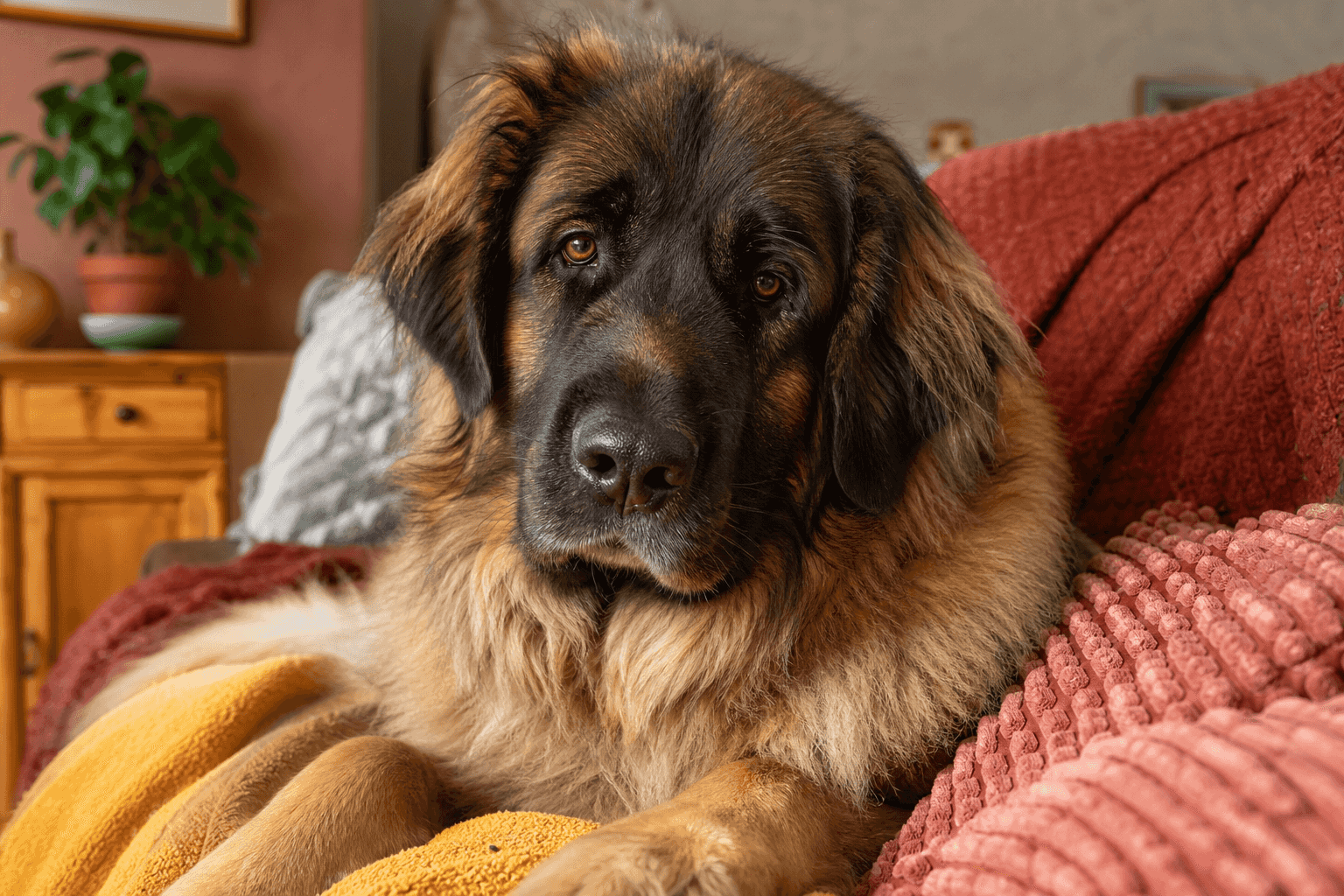
This is a strong, watchful guardian bred in the Estrela Mountains of Portugal to protect livestock and family alike. That protective heart still beats hard today.
But here's the truth most breed pages skip: living with one is a real commitment. Below, you'll get the honest, day-to-day reality — the good, the challenging, and the stuff nobody warns you about.
A Loyal Guardian with a Soft Side
At their core, Estrelas are natural protectors. They bond deeply with their families and are especially gentle with children.
But they always keep one eye on the perimeter.
Here's the important part: they aren't aggressive — but they aren't pushovers either. If something feels off, they'll bark to warn you, and they take that job seriously.
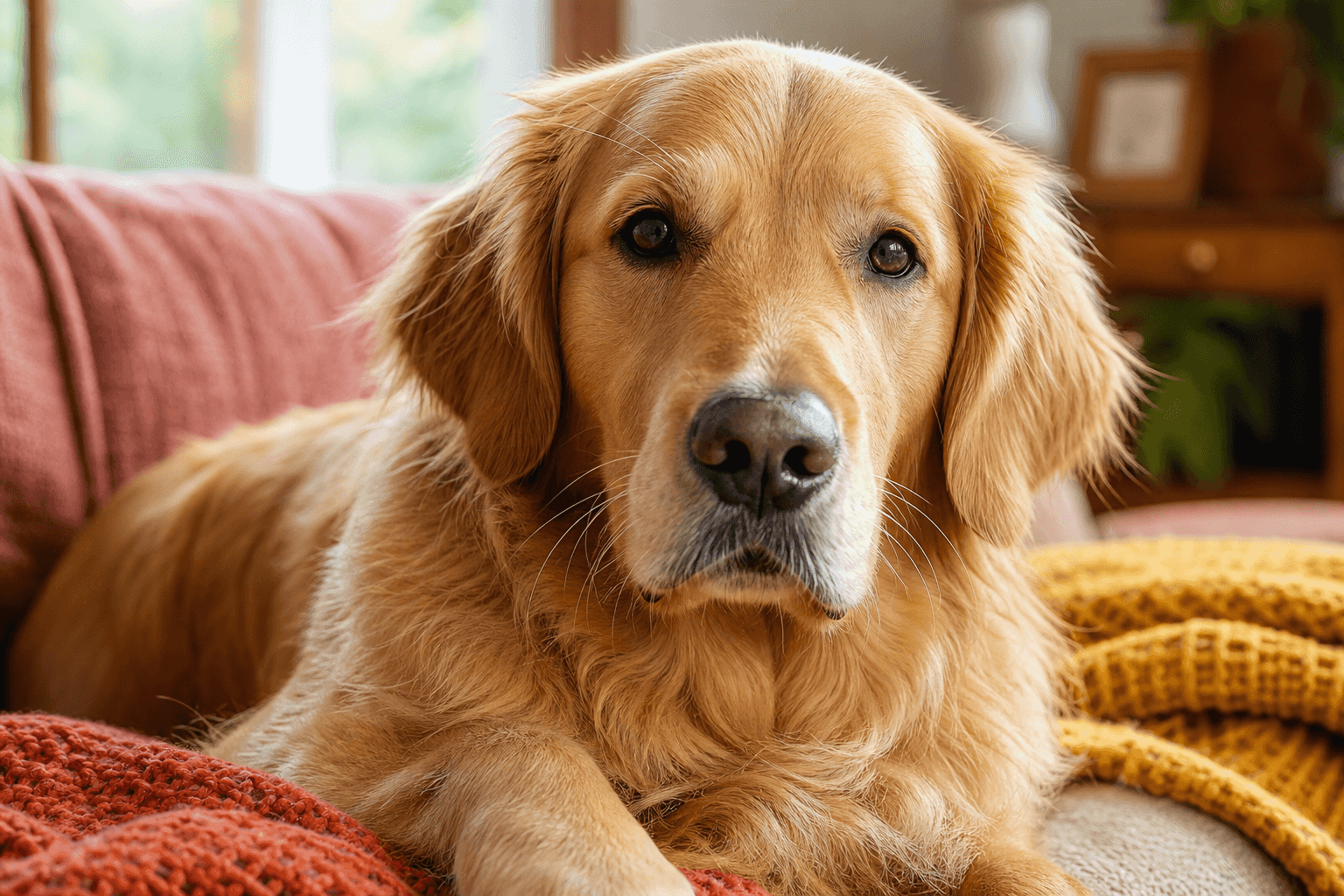
At home, though? Total sweethearts. They love lounging near you, always within reach, quietly keeping watch. Affectionate, calm, and happiest wherever you are.
“They're not looking to run the house — just to guard everyone in it.”
| Category | Rating |
|---|---|
| Affection | |
| Guarding | |
| Trainability | |
| Apartment life | |
| Grooming needs |
That guardian heart comes wrapped in a very large body. Let's talk size.
Big, Strong, and Surprisingly Playful
Estrelas are large dogs — think **77 to 130+ pounds**. But don't let the size fool you.
They can be goofy and playful, especially around kids or while they're young. Ours would chase balls in the yard like it was a personal mission, then happily nap on the porch for hours.
So what does that mean for your daily routine?
They're not high-energy dogs, but they do need **30 minutes to an hour** of movement a day. Walks, off-leash play in a secure spot, or simply patrolling the yard all count.
Training Takes Patience (and Treats)
These dogs are smart — almost too smart.
They pick things up fast, but that doesn't mean they'll always listen. The Estrela has a proud, independent streak baked in from centuries of working alone on a mountainside.
Here's the key: training isn't about dominance. It's about consistency, patience, and rewards.
How to train an Estrela the right way
- Lead with positive reinforcementTreats, praise, and play get you far more cooperation than pressure ever will.
- Skip harsh correctionsPunishment is a fast track to a dog that simply tunes you out.
- Start socialization earlyIntroduce people, kids, places, and other dogs while they're young.
- Stay consistentWith a giant guardian breed, training is non-negotiable for everyone's safety.
Skip socialization and you risk a dog that becomes overly cautious or territorial as it matures.
Now, how do they get along with the rest of the household?
They Get Along with Dogs, But...
Estrelas usually do well with other medium-to-large dogs, especially when raised together.
Smaller animals like cats or rabbits? That's trickier.
Their prey drive isn't sky-high, but it's enough that they may not be trustworthy around small pets without a lot of early, supervised exposure.
Children
Gentle & protectiveWonderful with kids, but always supervise — their size can knock over a toddler by accident.
Medium/large dogs
Usually goodBest when raised together or introduced early and calmly.
Cats & small pets
CautionNeeds slow, supervised introductions and early exposure.
Strangers
WatchfulWill alert and assess before warming up. Socialization softens this.
Grooming Is Manageable (Mostly)
Their thick, goat-like coat comes in long or short varieties — and it's easier to manage than it looks.
- Brush at least weekly (more during shedding seasons)
- Full grooming session about once a month
- Occasional baths as needed
- Regular ear checks, nail trims, and dental care
- Skip brushing for weeks and let mats form
The good news? They're not high-maintenance here. Stay consistent and grooming stays simple.
Feeding a giant breed is a different game entirely.
Feeding a Giant Breed the Right Way
Estrelas need a diet built for large breeds — especially as puppies.
Why does this matter so much? The right food supports their joints and prevents the rapid growth spurts that can trigger hip or elbow problems down the road.
Work with your vet to fine-tune portions and choose the right formula. And keep a close eye on weight — it creeps up faster than you'd expect on a dog this size.
Health Outlook
This is a generally healthy breed, with a lifespan of around **10–14 years**.
Like many large dogs, they can be prone to hip and elbow dysplasia. That's exactly why your breeder's health testing matters.
- Buy from a breeder who health-tests hips and elbows
- Keep up with regular vet checkups
- Ask your vet about joint supplements
- Maintain a lean, healthy weight for life
Not for Apartment Life
Let's be honest about this one: Estrelas need space.
They're not hyper, but they do need room to move and patrol. Cram that instinct into a small apartment and you'll get a bored, frustrated, and very vocal dog.
A yard with a secure fence is ideal. They love being outside with you — whether it's a hike or just watching the world go by from the porch.
Pros
An Estrela may be perfect if you...
- Have space and a secure, fenced yard
- Want a loyal, protective family guardian
- Can commit to early training and socialization
- Are ready for a big-hearted, affectionate companion
Cons
Look elsewhere if you...
- Live in an apartment or small space
- Are a first-time dog owner
- Want a low-commitment, low-maintenance pet
- Can't supervise around small pets or toddlers
Frequently Asked Questions
Generally, no. Their size, stubborn streak, and strong guarding instincts demand an owner who's confident with training and can commit to early socialization. Experienced hands do best.
They're alert barkers by nature — it's part of their guardian job. Expect them to sound off when something seems off. Early training helps you manage when and how much.
Yes — they're gentle and protective with kids in their family. Just always supervise play, because their size means they can accidentally knock over a small child.
About 30 minutes to an hour a day. They're not high-energy, but they need daily movement plus space to patrol to stay balanced and lean.
They usually do well with medium-to-large dogs, especially if raised together. Cats and small pets require slow, supervised introductions and early exposure.
For most owners, it's the combination of their independent, stubborn streak and their need for space and structure. They're not a set-it-and-forget-it breed.