7 things to know before bringing home a Pyrenean Shepherd
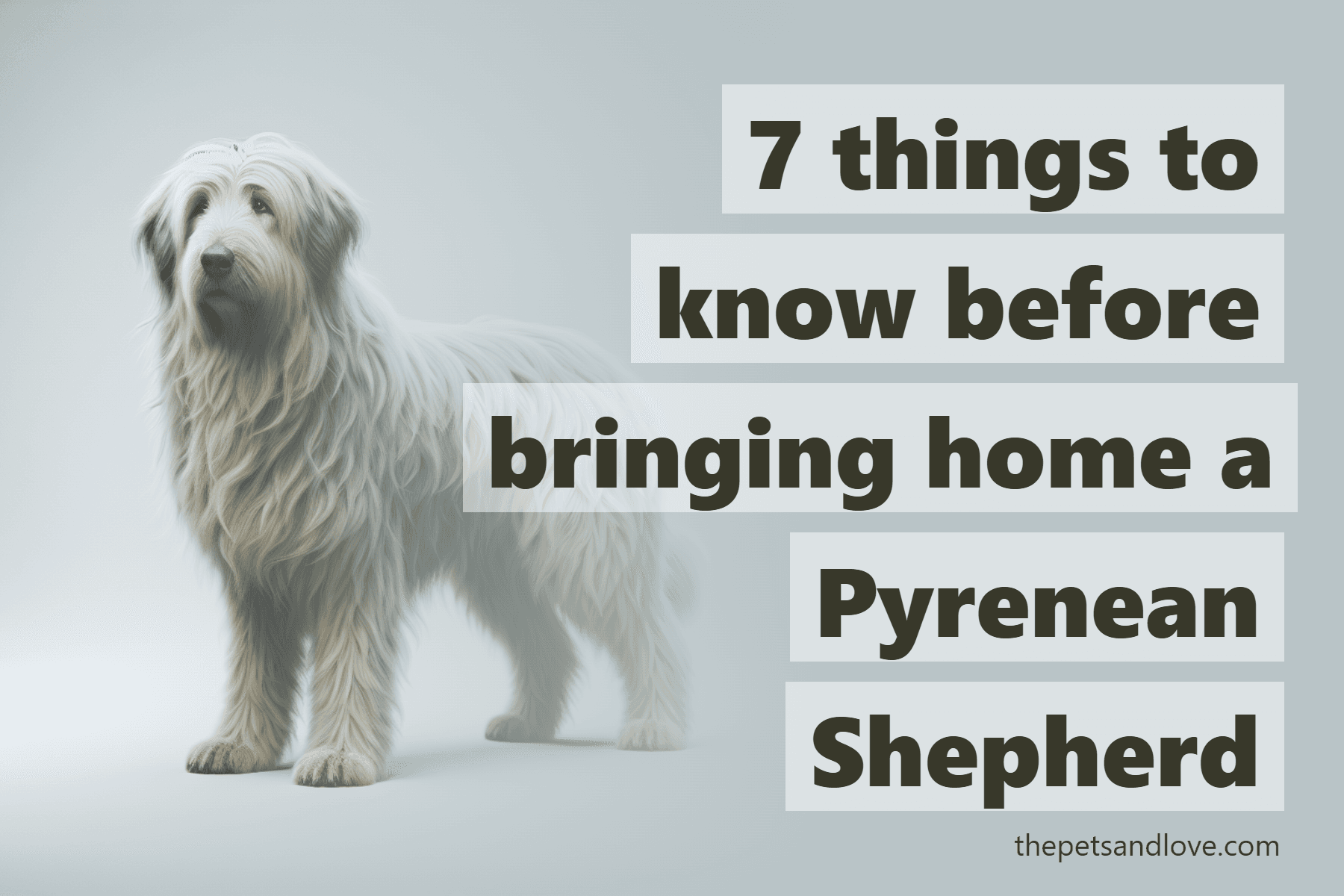
Thinking about bringing home a Pyrenean Shepherd? You're eyeing one of the most driven, devoted little herders on the planet — and that's exactly why you need to read this first.
These scruffy dynamos are pure energy, brains, and loyalty wrapped in a wiry coat. But they're not lapdogs, and they're definitely not for everyone.
Here's the honest, no-fluff rundown of what life with a "Pyr Shep" really looks like — so you know whether you're the right human for the job.
| Category | Rating |
|---|---|
| Energy Level | |
| Trainability | |
| Grooming Needs | |
| Good With Strangers | |
| Beginner Friendly |
1. They're Herding Dogs Through and Through
The Pyrenean Shepherd was bred in the French Pyrenees to move flocks all day long. Their bigger cousin, the Great Pyrenees, played the muscle — the Pyr Shep was the brains and the motor.
That instinct didn't disappear. It's still baked into every dog you'll meet today.
So what does that mean in real life?
They're alert, quick to bark, and naturally cautious around strangers. They bond hard with their person — but they're no social butterflies.
If you want a chill, go-with-the-flow pup who loves everyone, this isn't your breed.
“If you want a loyal shadow who lives to work, train, and adventure with you — you've found your match.”
And that drive comes with a serious catch: energy.
2. Endless Energy — Plan for It
Pyr Sheps aren't just energetic. They're relentless.
This is a dog engineered to cover miles of mountain terrain every single day. A couple of walks around the block won't touch it.
90+ min
of real daily activity — the bare minimum to keep a Pyr Shep sane
Here's what "real activity" actually looks like:
Agility Training
They're naturals — fast, nimble, and thrilled to have a job.
Running or Biking
A perfect trail or road partner who'll never quit before you do.
Long Hikes
Their happy place. The rougher the terrain, the better.
Herding or Trick Work
Channels that instinct and burns mental energy fast.
And here's the part people forget: it's not just physical.
These dogs are whip-smart and crave mental challenges. Puzzle toys, trick training, and new skills keep a Pyr Shep happy — and out of trouble.
All that energy is fueled by a serious brain — with a mind of its own.
3. Super Smart — and Super Stubborn
Pyr Sheps love to learn. But they're no pushovers.
They want to know why they're doing something — and they'll check out fast if training gets boring or repetitive.
Here's what works: positive reinforcement. Treats, toys, and lots of praise.
The Pyr Shep training playbook
- Start earlyBegin as young as 8 weeks — these dogs soak up learning fast.
- Keep sessions short and livelyFive to ten fun minutes beats a long, dull drill every time.
- Make it a partnershipThey genuinely want to please you — as long as you keep it interesting.
- Reward, never intimidateHarsh corrections shut a sensitive Pyr Shep down. Structure and fun win.
With a Pyr Shep, force backfires. Their "stubbornness" is usually boredom or confusion. Make training rewarding and they flip from resistant to eager fast.
The opposite. A smart dog with no guidance invents its own jobs — like barking, digging, or herding your furniture. Intelligence needs direction.
Now for the upkeep behind that charming, scruffy look.
4. Grooming: Weekly Brushing Is a Must
That scruffy coat is charming — but it needs care.
Weekly brushing prevents mats and keeps their thick double coat healthy. Expect heavier shedding during seasonal coat changes.
Beyond the coat, keep up with the basics.
- Brush the coat at least once a week
- Trim nails regularly to avoid overgrowth
- Check and clean ears to prevent buildup
- Shave the coat down thinking it helps them "cool off"
- Skip brushing during shedding season
Good news ahead — these are sturdy, long-lived little dogs.
5. Health and Longevity
Here's some good news: Pyrenean Shepherds are generally healthy and can live 15+ years.
Responsible breeders screen for issues like hip dysplasia, epilepsy, and eye problems. No dog is immune to health challenges — but this is a hardy breed.
So what can you actually control? Their weight.
These dogs are so active they tend to stay lean naturally. Still, too many treats or too little exercise will pack on pounds fast.
The single most important thing you'll do in the first year.
6. Socialization Is Non-Negotiable
Pyr Sheps are naturally reserved. Left unchecked, that reserve can tip into fearfulness or reactivity.
The fix is early, consistent, proactive socialization — and there's no shortcut.
- Enroll in puppy classes early
- Introduce new people, sounds, and surfaces often
- Walk in varied environments — town, trail, traffic
- Introduce kids and other pets while young
- Wait until they're "old enough" to start
Got kids? Get your Pyr Shep used to them early.
They can be wonderful with children they grow up with — but wary of unfamiliar kids or rowdy play. Always supervise.
Kids they grow up with
GreatLoyal and playful with their own family children.
Unfamiliar children
CautiousMay be wary of strangers or rough, loud play.
Other dogs
DependsBossy with strange dogs — early socializing is key.
Cats & home pets
WorkableFine with clear boundaries and early introductions.
Which brings us to their favorite job: management.
7. They Like to Be the Boss
Pyr Sheps tend to assume they're in charge — unless you tell them otherwise.
They can be bossy with other dogs, especially strangers. Translation: they're usually not dog-park material.
With other pets at home, early socializing and clear boundaries do the heavy lifting.
They're rarely aggressive. They're just confident and a little pushy — a herder used to running the show.
Quick poll
What's your biggest hesitation about a high-energy herding breed?
So, are you actually the right person for this dog?
8. Not a Couch Potato's Dog
Let's be blunt: this isn't a breed for someone who wants a mellow backyard pet or a chill indoor companion.
A bored Pyr Shep will make their own fun — barking, digging, or herding your furniture across the living room.
Can they live in an apartment? Yes — if you're genuinely committed to daily exercise and stimulation. Otherwise, you'll both go stir-crazy.
Pros
You'll love a Pyr Shep if you...
- Hike, run, or bike and want a partner
- Enjoy training and mental games
- Want a fiercely loyal one-person shadow
- Have time for daily structured activity
Cons
Look elsewhere if you...
- Want a laid-back, low-maintenance pet
- Are gone long hours with no plan
- Prefer a dog that loves everyone instantly
- Don't have time for daily exercise
Frequently Asked Questions
They can be challenging. Their energy, intelligence, and independent streak reward experienced, active owners. A committed first-timer can absolutely succeed — but only with early training, daily exercise, and a willingness to learn alongside the dog.
Plan for at least 90 minutes of real activity a day, plus mental stimulation. Think hikes, running, agility, or herding-style games — not just a stroll around the block.
Yes, they can be vocal. As alert herders, they bark to communicate and warn. Early training and enough daily exercise help keep nuisance barking under control.
They're often great with kids they grow up with, but can be wary of unfamiliar children or rough play. Early socialization and supervised interactions are essential.
It depends. They can share a home with other pets when introduced early and given clear boundaries, but they tend to be bossy with strange dogs and aren't usually dog-park dogs.
Not long without a plan. They bond closely and get restless when under-exercised. Tire them out first, leave puzzle toys, and avoid long solo stretches whenever possible.
Expect high energy through adolescence — often until 18 months to 2 years. Even adults stay active, so the goal is channeling their drive, not waiting for it to vanish.
Keeping up with them. Between the exercise, the mental stimulation, and their strong opinions, they demand an engaged owner. Meet those needs, though, and you get one of the most devoted, entertaining dogs around.