Consider These 14 Factors Before Purchasing a Miniature Bull Terrier Puppy
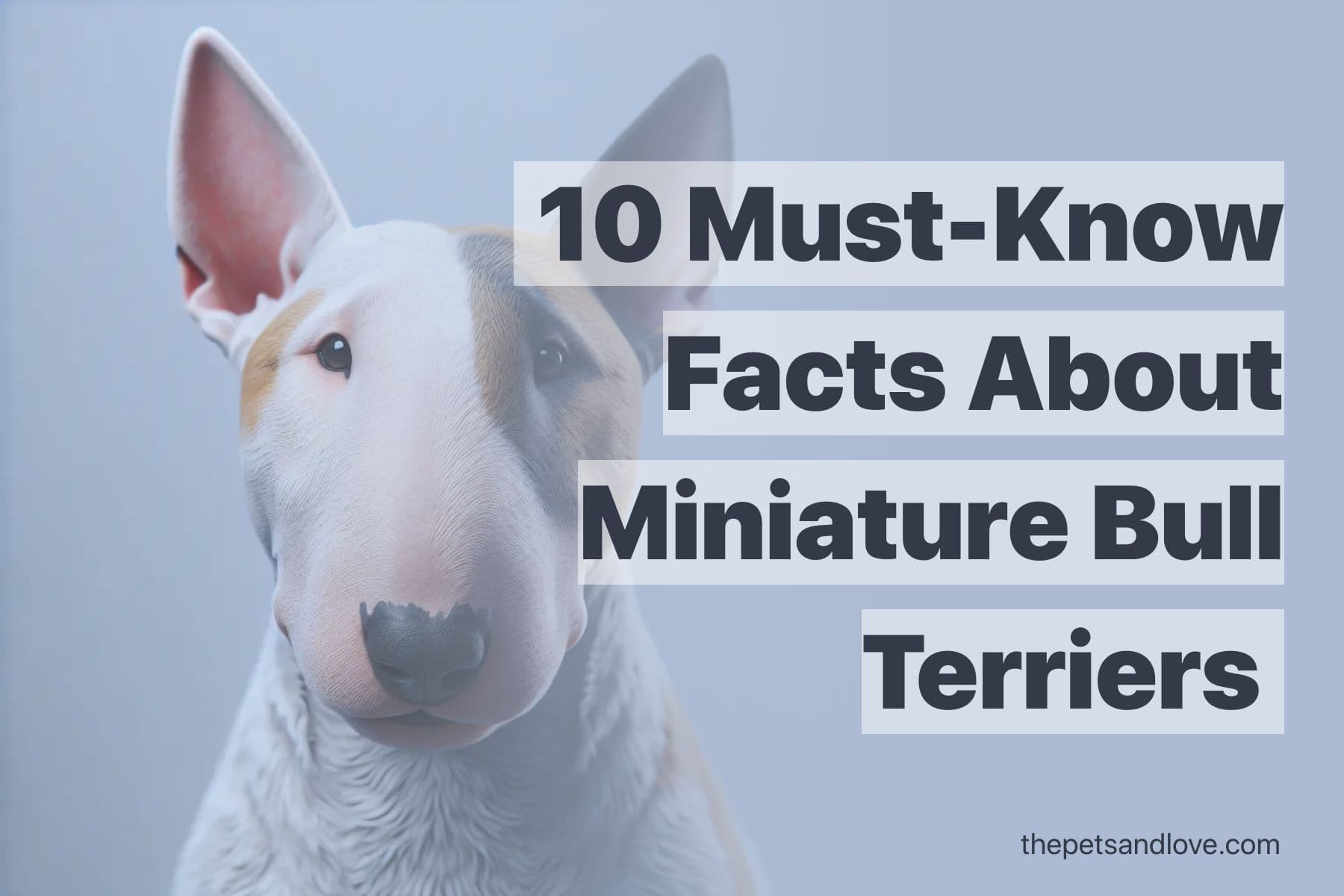
That egg-shaped head. The mischievous sparkle in the eyes. The little bounce in every step. The Miniature Bull Terrier grabs your attention the second you see one — and it's almost impossible not to smile.
But behind those goofy looks is a dog packed with personality, energy, and a stubborn streak a mile wide.
Before you fall head over heels and bring one home, there are a few things you really should know.
Here's the honest, no-fluff rundown — the good, the messy, and the wonderfully weird.
Quick poll
What's drawing you to the Miniature Bull Terrier?
They're Full of Love — and Hate Being Alone
Miniature Bull Terriers are total people dogs.
They bond hard with their humans and want in on everything — your morning coffee, your errands, your evening Netflix binge.
Here's the catch: leave them alone too long, and things can go sideways.
A lonely Mini Bull can get anxious, bored, and destructive. If you work long hours with no one home, this may not be your breed.
What about kids? When raised alongside them and taught gentle play, they can be fantastic family dogs.
But supervise closely — these pups get rough and tumble, and a happy body-slam can knock a toddler flat.
Now, about that head everyone keeps staring at.
That Iconic Look
Let's be honest — their head looks like a football, and that's exactly the charm.
That unmistakable egg-shaped skull is unique to Bull Terriers, and it's a conversation starter everywhere you go.
“People will stop you at the park, in the store, on the sidewalk — just to ask about your dog.”
If you like a little attention, you'll get plenty of it.
Stubborn but Trainable
Mini Bull Terriers have a mind of their own. Let's just get that out of the way.
They're not the easiest dogs to train — but they're far from impossible.
The secret? Consistency, patience, and making it fun.
How to train a Mini Bull Terrier
- Use positive reinforcementTreats, toys, and games work. Harsh methods just make them dig in harder.
- Start the day they come homeDon't wait until six months when they suddenly outweigh your toddler.
- Keep sessions short and livelyBore them and you've lost them. End on a win every time.
- Stay consistent across the householdIf one person allows the couch and another doesn't, you'll confuse a smart dog.
Speaking of paying off — let's talk about all that energy.
Energy to Burn
These are not couch potatoes.
They're curious, playful, and full of go. And a bored Mini Bull will absolutely make their own fun.
That "fun" might involve your shoes, your couch, or your flower beds.
30+ min
Solid exercise needed every single day, minimum
Walks, fetch, agility games, or a good sniff-around in the backyard all work wonders.
But don't stop at physical exercise. Mental stimulation matters just as much.
Puzzle Feeders
Slow down mealtime and give that clever brain a workout.
Training Games
Five minutes of "find it" or new tricks tires them out fast.
Fetch & Tug
Burns energy and builds your bond at the same time.
New Environments
A fresh trail or park keeps their curious mind engaged.
Social With People — Not Always With Pets
They love people. Other animals? It depends.
Some Mini Bulls do great with other dogs, especially when socialized early. Others prefer to be the only pet in the house.
Small animals like cats or rabbits can trigger their prey drive, so slow, managed introductions are a must.
Kids (raised together)
Great with supervisionTeach gentle play — they can be rough when excited.
Other dogs
Case by caseEarly socialization is the deciding factor.
Cats & small pets
RiskyPrey drive can kick in. Introduce slowly, if at all.
Strangers
Warm but protectiveSocialize early so they learn not everyone is a threat.
Good news ahead — grooming is refreshingly simple.
Grooming? Wonderfully Easy
If you want a low-maintenance coat, this is your dog.
A weekly brush with a rubber mitt or bristle brush keeps their coat shiny and healthy.
Best part? They don't carry that classic "doggy smell," so baths are only needed every few months.
Unless they roll in something gross. Which — let's be honest — they probably will.
- Brush weekly with a rubber mitt
- Bathe every few months (or after mischief)
- Trim nails regularly
- Brush teeth and check ears weekly
- Ignore ear wax buildup or redness
Health and Safety Notes
Like every breed, Mini Bulls come with a few things to watch for.
Deafness, kidney problems, and certain eye disorders top the list.
Responsible breeders test for these — so always, always ask to see the results.
They absolutely do. Deafness and kidney issues are exactly why reputable breeders run tests — a "cheap" untested puppy can cost far more down the road.
Not until they're grown. High-impact play too young can harm developing joints. Keep it low-impact for the first year-plus.
Not a Fan of the Cold
These dogs don't do well left outdoors, especially when it's cold.
They're indoor dogs through and through — they want to be near their people.
If you live somewhere chilly, keep them cozy inside and grab a doggy sweater for winter walks.
Clowns With a Protective Streak
Mini Bulls are equal parts goofball and guardian.
One minute they're doing something ridiculous to make you laugh. The next, they're keeping a watchful eye on the family.
That protective side is exactly why early socialization matters so much — you want them to learn that not every stranger is a threat.
Is a Miniature Bull Terrier Right for You?
Let's be straight about this.
If you want a quiet, low-energy lap dog, this probably isn't your breed.
But if you want a dog who's funny, fearless, and bursting with personality? You might have just found your match.
Pros
You'll love them if you...
- Want a hilarious, loyal companion
- Have time and patience to train
- Enjoy active play and daily exercise
- Like a dog with a big personality
- Have a good sense of humor
Cons
Think twice if you...
- Work long hours with no one home
- Want a calm, hands-off pet
- Have small pets and no room for slow intros
- Prefer an easy, obedient pushover
- Can't commit to early socialization
Frequently Asked Questions
They can be, but only for first-timers who are ready to commit to consistent training and early socialization. Their stubborn streak and energy can overwhelm someone expecting an easygoing dog. If you're patient and hands-on, you'll do fine.
Not long. They crave company and can become anxious or destructive when left for hours on end. A few hours is manageable for a well-adjusted adult, but long daily absences aren't a good fit for this breed.
They're not the most vocal breed, but they'll alert you to visitors and can bark out of boredom. Plenty of exercise and mental stimulation keeps the noise down.
Yes, when raised with kids and taught gentle play. Always supervise, because they can be rough and tumble during excited play and may accidentally knock over a small child.
It varies. Early socialization helps them get along with other dogs. Cats and small pets can trigger their prey drive, so slow, carefully managed introductions are essential — and some Mini Bulls do best as the only pet.
The stubbornness paired with the energy. They need mental and physical outlets every day, plus consistent boundaries. Skip either and you'll see it in chewed furniture and pushy behavior.
Expect high energy through adolescence, which can stretch past their first birthday. Many settle into a calmer rhythm as they mature around 2 to 3 years old — but they stay playful clowns for life.
No — their short coat is one of the easiest to maintain. A weekly brush, occasional baths, and routine nail, teeth, and ear care are all it takes.