7 things to know before owning a Greenland Dog
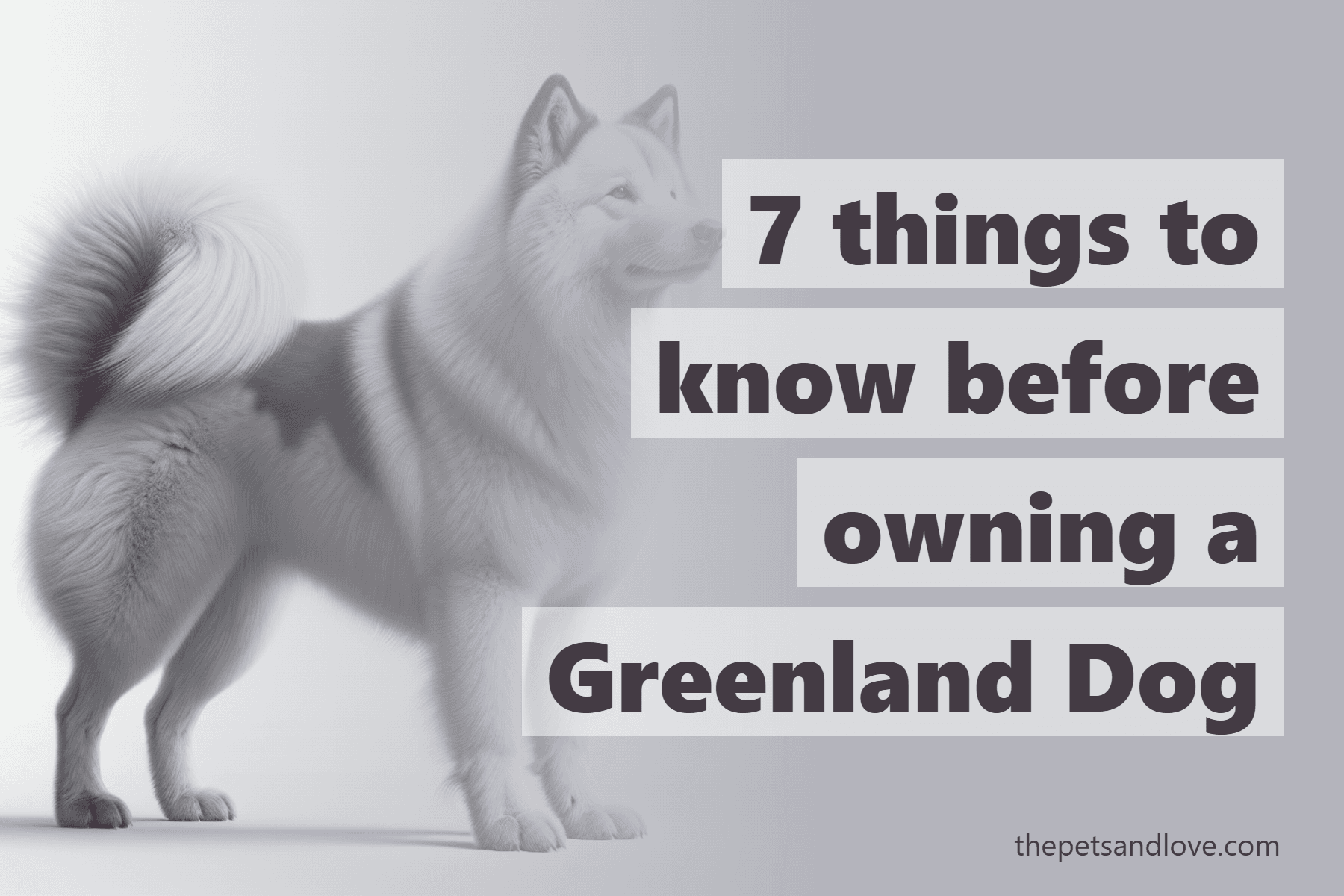
Thinking about bringing home a Greenland Dog? Then you already sense this isn't your average family pet — and you're right.
These dogs are ancient Arctic athletes: strong, independent, and bred to survive where most animals wouldn't last a night.
Get the match right, and you'll earn a bond that's genuinely hard to beat. Get it wrong, and you'll spend years fighting a dog that's smarter and more stubborn than you bargained for.
So let's walk through exactly what you need to know before you commit.
What Makes the Greenland Dog Special?
Here's the short version: this breed was built by thousands of years of Arctic survival, not by living rooms and dog parks.
Greenland Dogs — known locally as Kalaallit Qimmiat — are ancient sled dogs bred for endurance and raw strength in some of the harshest climates on Earth.
They share ancestry with the Canadian Eskimo Dog and have hauled people and gear across the ice for millennia.
That's not just trivia. It explains almost everything about how they behave today.
In fact, they're still working dogs in Greenland right now — and the government protects the breed as a national treasure.
“Outside of Greenland, they're rare. And honestly, that's probably for the best — these dogs aren't for just anyone.”
So what does that Arctic heritage do to their personality?
Temperament: Independent but Loyal
Let's be honest up front: Greenland Dogs are smart, stubborn, and not naturally eager to please.
If you've never owned a working or primitive breed, this dog can be a serious handful.
They're deeply pack-oriented, and they will test your leadership if you're not calm, consistent, and confident.
But here's the flip side.
Once they bond with you, they're loyal to the core. They tend to thrive with owners who are active, firm, and experienced — and who lean on early socialization and positive reinforcement.
One thing that surprises people: they're generally friendly with family members, kids, and other dogs. What they're not is a guard dog. Frankly, they're too friendly for that.
Their size looks the part, but temperament-wise they are typically too social and friendly to guard. Do not get one expecting a protection dog.
This breed respects leadership you earn through consistency — not obedience you assume. Loyalty and instant compliance are two very different things here.
Now for the part most people underestimate.
Energy Level: Through the Roof
This is not a couch-potato dog. Not even close.
Greenland Dogs need serious physical and mental stimulation every single day.
We're talking two hours of real exercise, minimum — hiking, running, or pulling a sled or cart.
Here's the catch: they get bored fast. And boredom in this breed usually shows up as digging, chewing, and marathon howling sessions.
Pros
They shine when you're...
- Outdoorsy and love adventure
- Home with a big, secure yard
- Into running, hiking, or sledding
- Able to give them a "job" to do
Cons
They struggle when you're...
- Living in an apartment
- Away from home for long hours
- Looking for a low-energy lapdog
- Short on outdoor space
Quick poll
How much daily exercise can you realistically commit to?
Good news: their coat is easier than you'd expect.
Grooming & Care
You might expect that thick double coat to be a grooming nightmare. It isn't.
Greenland Dogs are actually fairly low-maintenance in this department.
- Brush twice a week to control tangles and shedding
- Bathe only every few months
- Keep nails trimmed regularly
- Brush teeth and clean ears routinely
- Bathe them constantly — it dries out their skin
- Skip the basics because "the coat looks fine"
What this means in practice: a solid twice-weekly brush and a few core habits keep this dog healthy and comfortable — no fancy salon routine required.
Feeding a working athlete is its own skill.
Diet and Health
Greenland Dogs are large, athletic animals, so their food has to match their output.
Look for high-quality diets rich in protein — around 25% — to fuel that endurance engine.
Now, here's a detail that really matters: feed smaller meals a couple of times a day rather than one huge bowl.
On the whole, they're a generally healthy breed. But like all purebreds, they can carry genetic issues.
If you're buying a puppy, insist on a breeder who screens for health problems and uses tools like DNA testing and inbreeding calculators.
Here's where confident owners win and everyone else struggles.
Training Tips
Start early. Stay consistent. Those two rules do most of the heavy lifting.
Greenland Dogs are intelligent but independent, so they need clear boundaries and a handler who means what they say.
The training essentials
- Lead with positive reinforcementTreats, praise, and consistency go a long way with this breed.
- Never rely on harsh disciplineYelling or heavy-handed correction won't work — and it can badly backfire.
- Get professional help earlyPuppy classes or a trainer are invaluable, especially if you're new to high-drive breeds.
- Get the whole family alignedThese dogs respect strong, consistent leadership — mixed messages undo your progress.
So who is this breed actually right for?
Best Home Environment
Let's be blunt about the match, because it saves everyone heartache.
Active adventurers
IdealRunners, hikers, and outdoorsy families are the dream fit.
Big secure yard
IdealThey need space to roam and work off energy safely.
Experienced owners
GreatPeople who've handled strong, independent breeds thrive here.
Apartment dwellers
Poor fitNo room, no job, no outlet — a recipe for frustration.
Sedentary households
Poor fitThis dog needs movement, not a quiet life on the sofa.
Long hours alone
RiskyThey need company or a job — isolation leads to trouble.
2+ hrs
Daily exercise this breed genuinely needs
Not for
Apartments or long-hours-alone lifestyles
Frequently Asked Questions
Generally, no. Their independence, stubbornness, and enormous exercise needs make them a real challenge. They're best suited to experienced owners who've handled strong, high-drive breeds before.
Not long. They need company or a job to stay balanced. Left alone for long stretches, they tend to get bored and destructive — digging, chewing, and howling are common outlets.
They're vocal, especially when bored or under-exercised. Howling is very much part of the package for this Arctic sled breed. Plenty of daily activity keeps the noise in check.
They're generally friendly with family members, including kids. As always, supervise interactions with young children and teach both the dog and the kids to respect boundaries.
Being pack-oriented, they usually do well with other dogs, especially when socialized early. Introductions should still be gradual and calm.
Not really. They're typically too friendly to guard. If protection is your goal, this isn't the breed.
Meeting their relentless exercise and mental-stimulation needs — two-plus hours a day, every day. Without it, their independence and energy turn into behavior problems.
Like most working breeds, they mellow somewhat as they mature past adolescence, but they remain high-energy adults. Don't expect a naturally low-key dog at any age.

Sviatoslav Oleksiv founded The Pets and Love in 2019. A lifelong pet owner and Rhodesian Ridgeback enthusiast, he writes and edits our guides to help fellow pet parents give their animals the best care.
Every guide follows our editorial standards. This article is for informational purposes only and is not a substitute for professional advice — always consult a licensed veterinarian about your pet's health.