13 Things You Must Know Before Bringing Home an Icelandic Sheepdog Puppy
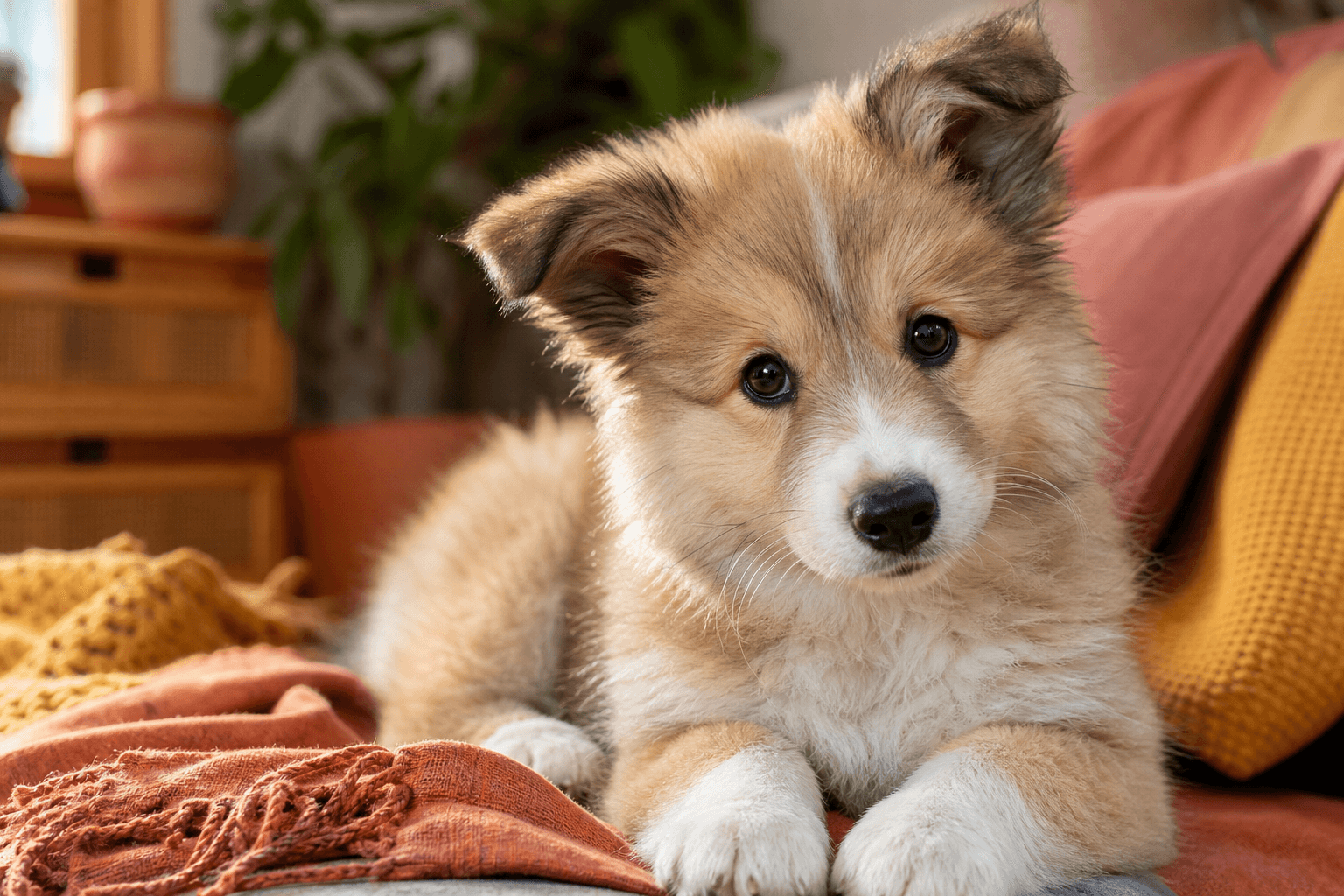
You fell for the smile, the curled tail, and those fox-like ears — we get it.
An Icelandic Sheepdog puppy is pure joy and serious energy wrapped in fluff.
Here is exactly what matters before you bring one home, so your first months are smooth instead of scrambled.
1. This Is a Herding Brain in a Small, Smiley Package
Icelandic Sheepdogs are true spitz herders: quick thinkers, alert, and wired to notice movement.
That adorable circling and prancing? It is herding impulse. You will guide it, not erase it.
Plan for outlets like structured fetch, tug with rules, and beginner herding or agility classes once your vet clears activity.
2. Expect Vocalization — They Use Their Voice
This breed communicates with barks, yips, and alerts. It is part of how they moved stock in open fields.
Teach a quiet cue early and reinforce calm. Reward the silence you like, not the noise you do not.
3. Double Coat Means Real Shedding, Not Hypoallergenic
They have a weatherproof double coat that sheds year-round and blows heavily once or twice a year.
No shaving — it damages insulation. Commit to brushing and targeted de-shedding when they molt.
4. Exercise Needs: Short Legs, Big Engine
Daily motion keeps this cheerful dog settled. Think 60 to 90 minutes split across the day for adults.
Puppies need age-appropriate movement: short sniffy walks, play, and training games rather than forced miles.
Mental work — food puzzles, nosework, and obedience — tires them faster than looping the block.
5. Heat and Weather: Cold-Proof, Heat-Sensitive
They thrive in cold and wet, but summer heat can flatten them fast.
Schedule exercise at dawn or dusk, offer shade and water, and use cooling mats on hot days.
6. Social Butterfly That Hates Being Alone
Icies love being part of everything. Long, daily isolation is a recipe for barking and mischief.
Plan for gradual alone-time training, dog sitters or daycare on busy days, and plenty of togetherness when you are home.
7. Training Style: Positive, Playful, and Smart
They learn fast and tune out faster if you drill. Keep sessions short, upbeat, and game-like.
Rotate rewards — food, tug, sniff breaks — and practice impulse control with easy wins like sit to say please and wait at doors.
Recall is non-negotiable; start indoors, then fenced yards, then long-line fields before you ever try off leash.
8. Early Socialization Shapes Their Confidence
Between 8 and 16 weeks, introduce surfaces, sounds, crates, car rides, umbrellas, hats, and friendly vaccinated dogs.
Pair every new thing with treats and distance they can handle. Curiosity today prevents reactivity tomorrow.
9. Yard and Fencing: Manage the Chase
Movement triggers herding and bark alerts — joggers, bikes, squirrels.
Use a secure fence, block visual triggers where you can, and train an emergency cookie scatter to redirect in a pinch.
10. Grooming Routine You Will Actually Keep
Weekly brushing plus a quick line-comb through feathering keeps mats away. During coat blow, step up to daily.
Nails every 2 to 3 weeks, teeth several times a week, and a bath only when they are truly grimy.
Undercoat rake
Loosens dead undercoat during seasonal sheds without stripping guard hairs.
Slicker brush
Lifts tangles behind ears, armpits, and breeches where mats sneak in.
Comb (fine/medium)
Final pass to catch snags slickers miss; stop if you see redness.
High-velocity dryer (optional)
After baths, pushes water and loose coat out fast; introduce slowly with treats.
11. Health Basics and Ethical Breeder Screening
Well-bred Icelandic Sheepdogs are generally sturdy, with a 12 to 15 year lifespan.
Ask breeders for OFA or PennHIP hips, patella evaluations, and eye exams for conditions like cataracts or PRA. See proof, not promises.
Budget for routine vet care and insure early if you plan to.
12. Food and Growth: Protect Joints While They Mature
Feed a balanced puppy formula and track body condition, not scoops. You should feel ribs with a light touch, not see bony knobs or a soft pillow.
Avoid high-impact jumping and long runs until growth plates close, usually after 12 months.
Use part of their meals for training to prevent overfeeding and to power brain work.
13. Life With Kids and Other Pets
This breed is typically gentle and playful with children when you supervise and teach both sides good manners.
They may try to herd running kids or cats by circling and barking; interrupt kindly, cue a sit, and give a toy job instead.