13 Things You Must Know Before Bringing Home a Swedish Vallhund Puppy
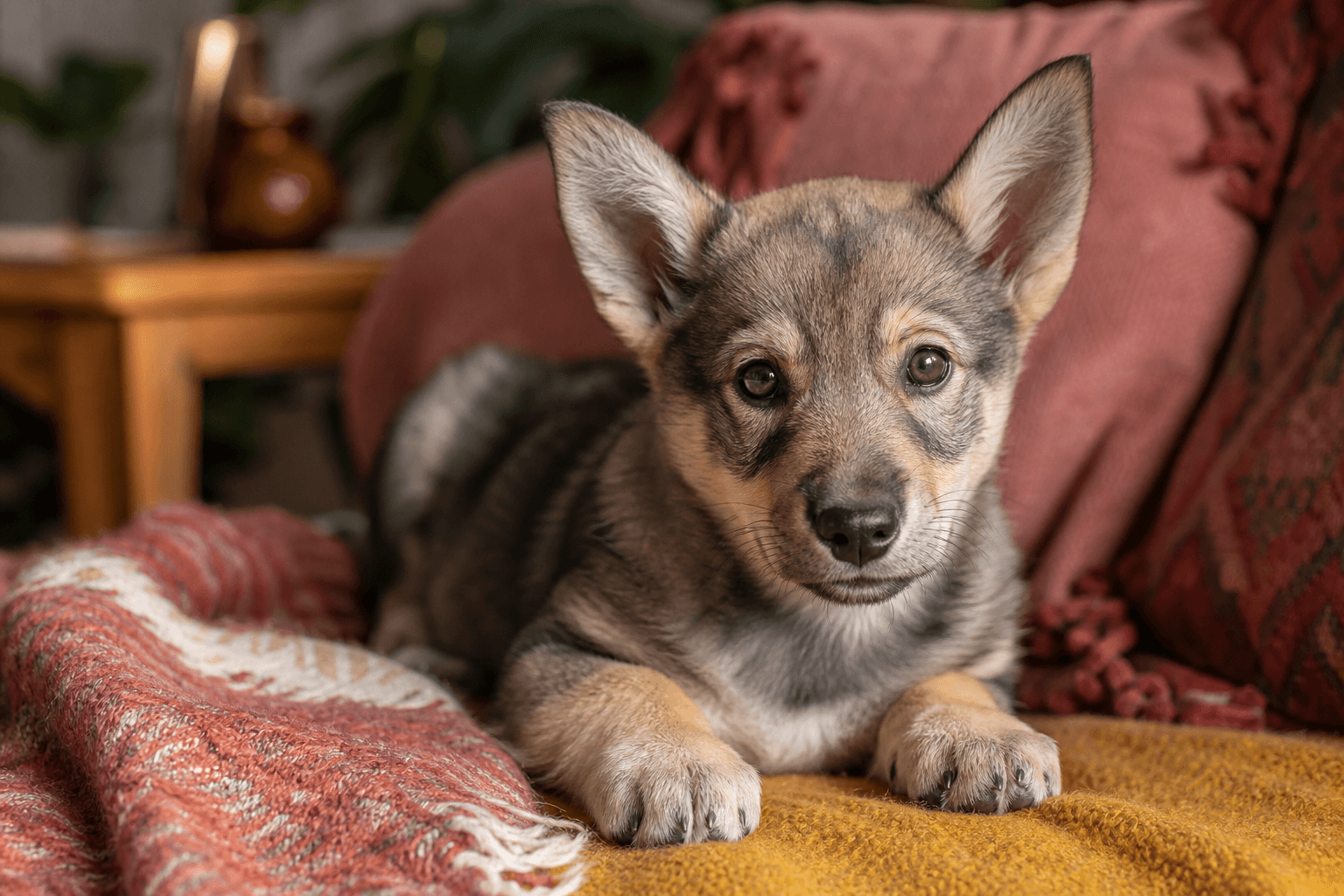
You fell for the foxy face and big personality. We get it.
Before a Vallhund steals your slippers and your heart, here is the need-to-know, fast.
Use this to decide with confidence and set up your first weeks right.
1. A True Viking Herder
Swedish Vallhunds are an ancient Scandinavian spitz herding breed with a low, powerful frame built for all-day cattle work.
That heritage shows up in today’s puppies as confidence, quick thinking, and a job-first attitude.
2. Energy Needs Are Real
Plan on 60 to 90 minutes of daily activity once grown, split into brisk walks, off-leash play where safe, and training games.
Puppies need controlled, age-appropriate exercise, not forced jogging; choose short play bursts and sniffy exploration.
3. Expect a Talker
They are alert and expressive, with a voice that reports everything from the doorbell to a drifting leaf.
Teach a quiet cue early and pay for calm; management tools like window film and white noise help in busy neighborhoods.
4. Herding Instincts Happen
Heel-nipping and motion-chasing are normal in this breed, especially with running kids or pets.
Redirect to a tug toy, reinforce stationing on a mat, and give legit outlets like herding lessons or fast-paced sports.
5. Stout Build, Smart Handling
Vallhunds are short-legged and sturdy with a longish back.
Protect joints and spine by avoiding repetitive jumping, slippery floors, and stair marathons while growth plates are open.
6. Double Coat, Double Shedding
The weatherproof double coat sheds year-round with a big spring and fall blow.
Weekly brushing usually suffices, but during coat drops you may brush daily; baths are occasional and no shaving is needed.
7. Training They Actually Enjoy
Smart, food-motivated, and biddable, Vallhunds thrive with short, upbeat sessions.
Prioritize recall, settle on a mat, leave it, and a solid quiet cue; channel brains into rally, agility, or trick titles.
- Reinforce calm and silence around doorways before guests arrive
- Punish barking or herding attempts after the fact
- Use tug and fetch as rewards for great recalls
- Delay socialization until all vaccines are complete
8. Early Socialization Is Non‑Negotiable
From 8 to 16 weeks, pair new sights, surfaces, people, and friendly dogs with treats and exits.
Choose controlled environments like puppy class and quiet store visits over chaotic dog parks.
9. Health Testing to Ask For
Ask breeders for OFA or equivalent hip evaluations, an eye exam by a veterinary ophthalmologist, and genetic screening typical for the breed such as degenerative myelopathy and progressive retinal atrophy where applicable.
Vallhunds often have natural bobtails; responsible programs track tail genetics and overall diversity.
10. Apartment vs. Yard
They can thrive in apartments if their exercise and bark management needs are met.
A fenced yard is nice, not required; your consistency is.
11. Routine and Mental Work
These dogs love having a plan: potty, play, train, nap, repeat.
Use food puzzles, sniff walks, perch work, and place training to take the edge off on rainy days.
Get your brush and nail trimmers ready
12. Grooming Gear to Have
Have a slicker brush, a metal comb for behind the ears and britches, a deshedding tool for seasonal blows, canine nail clippers or a grinder, and dog-safe shampoo.
Brush lightly to the skin without scraping, comb for tangles, and keep nails short to protect posture and joints.
13. Alone Time and Your Schedule
Vallhunds bond hard and can struggle if thrown into long solo days.
Build independence with short absences, stuffed chew projects, and a comfy crate or pen, and line up midday help if you work away from home.