13 Things You Must Know Before Bringing Home a Skye Terrier Puppy
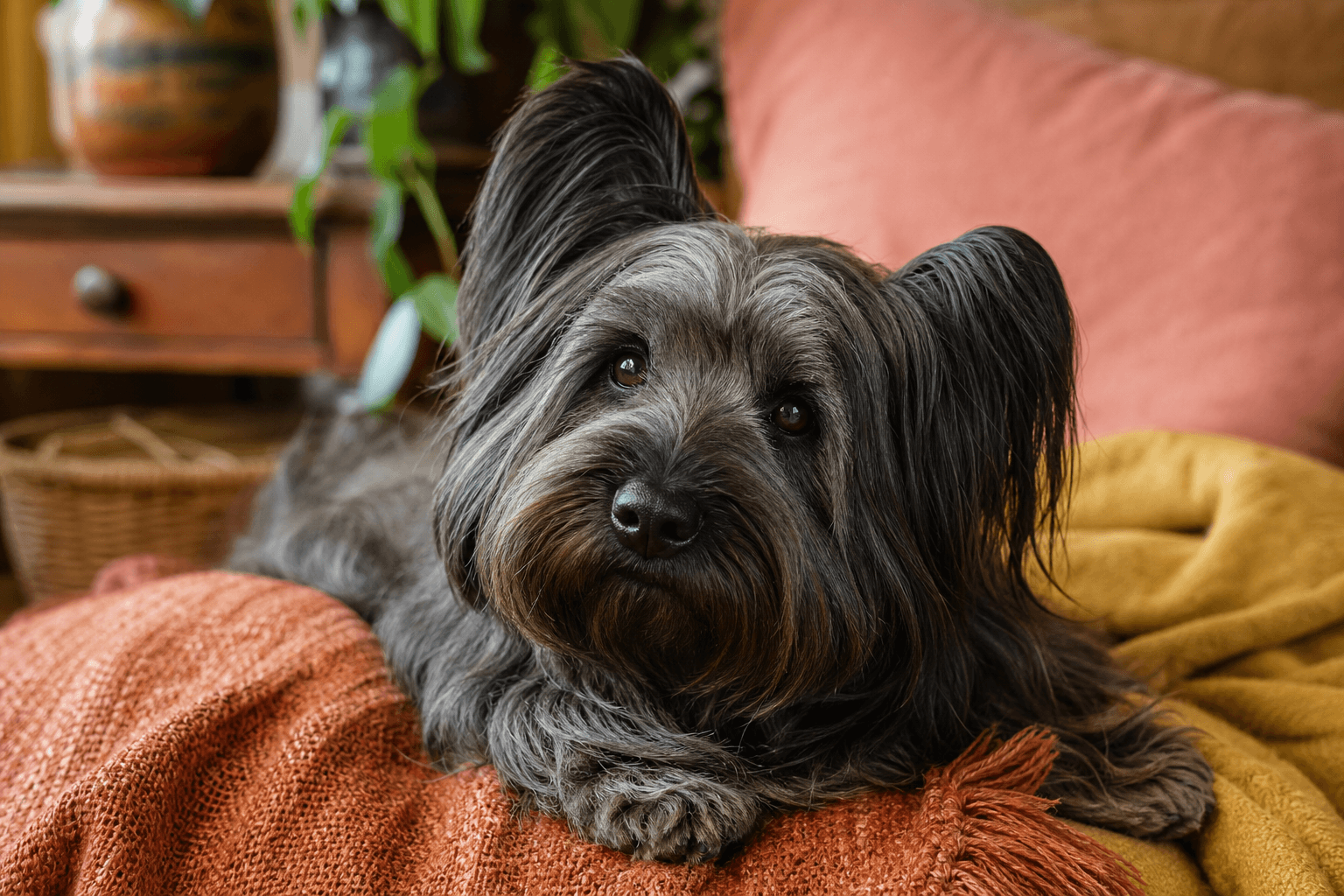
You clicked because you want the real-world scoop on Skye Terrier puppies, not fluff.
We have lived the long-coat brushing, the terrier stubborn streak, and the deep devotion these dogs give back.
Here are the things that actually matter before a Skye puppy walks into your life.
1. Temperament: Loyal, Reserved, Deeply Devoted
Skye Terriers are famous for quiet loyalty to their people and polite reserve with strangers.
Expect a calm companion indoors, an alert watchdog voice, and a dog that thrives when they have a person to shadow.
Core vibe
Dignified, affectionate with family, cautious with newcomers.
Sensitivity
Responds to tone and fairness; harsh handling backfires.
Independence
True terrier mind; will ask “why” before “yes.”
Adaptability
Apartment-friendly if needs are met; enjoys routine.
2. Socialization Is Not Optional
That natural reserve can slide into suspicion if you coast through puppyhood.
From 8 to 16 weeks, schedule gentle exposures to friendly people, calm dogs, novel surfaces, car rides, and vet handling.
3. Exercise Needs: Moderate, Daily, Thoughtful
Plan on two brisk walks plus a few play bursts or sniff games each day.
As puppies, keep sessions short and on level ground to protect their long backs and growing joints.
4. Prey Drive And Management
Skye Terriers were bred to hunt; small critters can flip a chase switch.
Walk on a leash or in a well-fenced area, teach a rock-solid recall with long-line practice, and supervise introductions to cats and pocket pets.
5. Grooming Basics: The Coat Is A Commitment
That glamorous, floor-skimming coat is a double coat that tangles without regular work.
Brush thoroughly to the skin two to three times a week with a pin brush and comb, working in small layers to prevent mats behind ears, under elbows, and in the armpits.
6. Bathing And Trims: What To Do And Avoid
Bathe every 3 to 6 weeks based on lifestyle, using a gentle dog shampoo and full rinse out.
Blow-dry on cool, brushing as you go; snipping the outer coat changes the look and can make it fuzzier, so stick to tidying feet and hygiene areas unless you are committing to a pet trim.
7. Size, Space, And Stairs
Skyes are low and long, typically medium-small in weight but substantial in build.
They do well in apartments with consistent walks, but slick floors and frequent stairs are hard on backs; add rugs for traction and gate off staircases during puppyhood.
8. Training Style: Positive, Brief, And Consistent
Short, upbeat sessions beat marathons.
Use food and play rewards, vary the patterns, and end while your puppy still wants more; aim for life skills like settle on a mat, hand target, leave it, and cooperative grooming.
9. Barking: Channel It Early
Skyes are alert and will announce visitors or hallway sounds.
Teach a speak cue paired with a quiet cue, reinforce quiet settling on a mat, and manage the environment with white noise if you live in a busy building.
10. Health Testing And Choosing A Breeder
If you are buying from a breeder, ask for current health clearances appropriate to the breed, such as patella evaluations and eye exams, plus a transparent discussion of orthopedic and thyroid history in the lines.
Meet at least one parent when possible, review contracts that require returning the dog if rehoming becomes necessary, and prioritize temperament.
11. Growth And Diet: Slow And Steady
Feed a balanced puppy diet and keep your Skye lean; extra weight stresses long backs and joints.
Use measured meals, split into three daily at first, shifting to two by six months; avoid high-impact exercise after meals.
12. Ears, Eyes, And Daily Coat Care
Prick ears or drop ears are both correct; check weekly for wax and keep hair around the ear opening tidy to promote airflow.
Wipe corner eye debris daily to prevent staining, and comb the part down the back so the coat lies flat and free of knots.
13. Kids, Other Pets, And Household Fit
With thoughtful introductions and supervision, Skyes can be lovely with respectful children.
They may be selective with unfamiliar dogs; prioritize calm meet-and-greets and reward neutral, polite behavior, especially during adolescence.
Set yourself up for day-one success
Starter kit
Crate, baby gates, non-slip rugs, pin brush, greyhound comb, long line, treat pouch.
Day-one routine
Potty break, short sniff walk, nap, gentle brush and handle, train two minutes, repeat.
House rules
No jumping off furniture, stairs supervised, settle spot in every room.
Mental work
Snuffle mat meals, scatter feeding, easy puzzle toys, short scent games.