13 Things You Must Know Before Bringing Home a Croatian Sheepdog Puppy
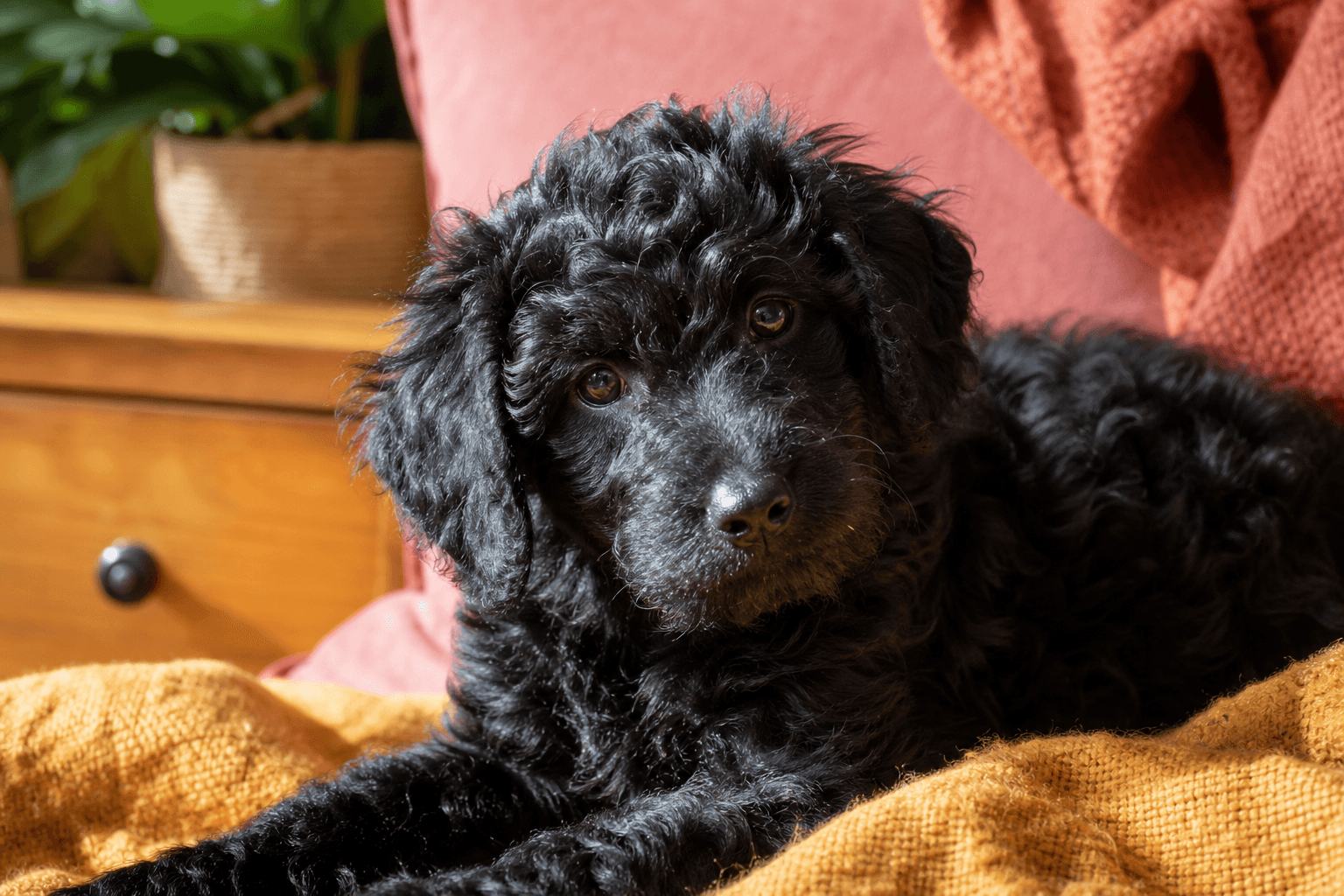
You clicked because you love the idea of a smart, nimble farm dog in a compact, all-black package.
We have lived the herding-dog highs and lows, and this is the stuff you actually need before a Croatian Sheepdog puppy steps into your life.
Read this first, set up your home second, and enjoy a smooth first year.
1. Daily Energy Needs Are Real
This is a true working breed that thrives on movement.
Plan for 60 to 90 minutes of daily exercise, split between brisk walks, off leash play in a secure area, and short training or sniffing sessions.
Skip a day and you may see pacing, shadow chasing, or mischief.
2. You Are Adopting a Brain, Not Just a Body
Croatian Sheepdogs are brilliant problem solvers who notice patterns fast.
Without puzzles and learning, they invent their own projects like reorganizing your laundry or herding your guests.
Daily Brain Work
Rotate food puzzles, scatter feeding in grass, or hide and seek recalls indoors.
Weekly Skills
Teach a new trick, start agility foundations, or short scentwork searches.
3. The Herding Instinct Will Show Up
Expect heel nipping, circling, and motion chasing in puppyhood, especially with running kids or joggers.
Channel it into structured games like fetch to a mat, impulse control on a flirt pole, and calm lie down cues.
4. Expect a Talkative Watchdog
They are naturally alert and can be barky when bored or when anything changes outside.
Teach a quiet on cue early, and give them a sanctioned job like go to your bed when the doorbell rings.
5. The All-Black Coat Is Low-Fuss, Not No-Fuss
The wavy to curly black coat sheds modestly and repels dirt well.
Brush once or twice a week to prevent tangles and tidy feathering; expect seasonal upticks in shedding.
Ear checks, nail trims every two to three weeks, and an occasional bath keep them fresh without stripping coat oils.
6. Size, Maturity, and First-Year Timeline
Most adults land around 16 to 20 inches tall and roughly 25 to 45 pounds, with males often on the larger end.
Growth plates close around 12 to 18 months, so keep jumping and stairs moderate in the first year.
Adolescence brings extra energy and testing of boundaries, usually peaking between 7 and 14 months.
7. Health Testing and Vet Plan
As a generally robust landrace herder, they still benefit from thoughtful screening.
Ask breeders for hip evaluations, patella checks, and an eye exam clearance; a baseline cardiac listen by a vet is wise.
Schedule a puppy exam within three days of pickup, discuss a vaccination plan that matches local risk, and start monthly parasite prevention.
8. Socialization Is Your Superpower
From 8 to 16 weeks, show them the world in bite sized, positive doses.
Think quiet hardware stores, walking past livestock at a distance, city sounds at low volume, and relaxed handling by a variety of people.
9. Training Style That Works
They bloom with short, upbeat sessions and clear jobs.
Use marker training, food, and play; they shut down with harsh corrections and will outsmart inconsistent rules.
Build rock solid recall, settle on a mat, and a drop cue early to keep that busy mind useful.
10. Give Them Jobs, Not Just Walks
Activities that suit them include agility, herding lessons, rally, disc, trick titles, and nosework.
On busy days, trade one long walk for a scent box search and a ten minute trick session.
11. Home Setup and Fencing
They are agile, springy athletes who can squeeze through gaps and hop low barriers.
Use a secure, six foot fence, a crate that feels like a den, and baby gates to protect doorways during the zoomy months.
Apartment life can work if barking is managed and exercise plus brain work are truly daily.
12. Kids and Other Pets
With guidance, they are loyal family dogs, but motion can trigger herding behaviors.
Teach kids to stand still like a tree, throw treats behind the dog to reset arousal, and avoid sprinting past a young pup.
With cats and small pets, success rises if you supervise introductions, reward calm, and give the cat safe vertical spaces.
13. Climate and Heat Management
The dark coat excels in wind and drizzle but soaks up sun fast.
Exercise at dawn or dusk in summer, offer shade and cool water, and use cooling mats or vests on hot days.
In winter, that weather resistant coat does well, but check paws for ice and keep sessions short in extreme cold.