13 Things to Know Before Getting a Sugar Glider
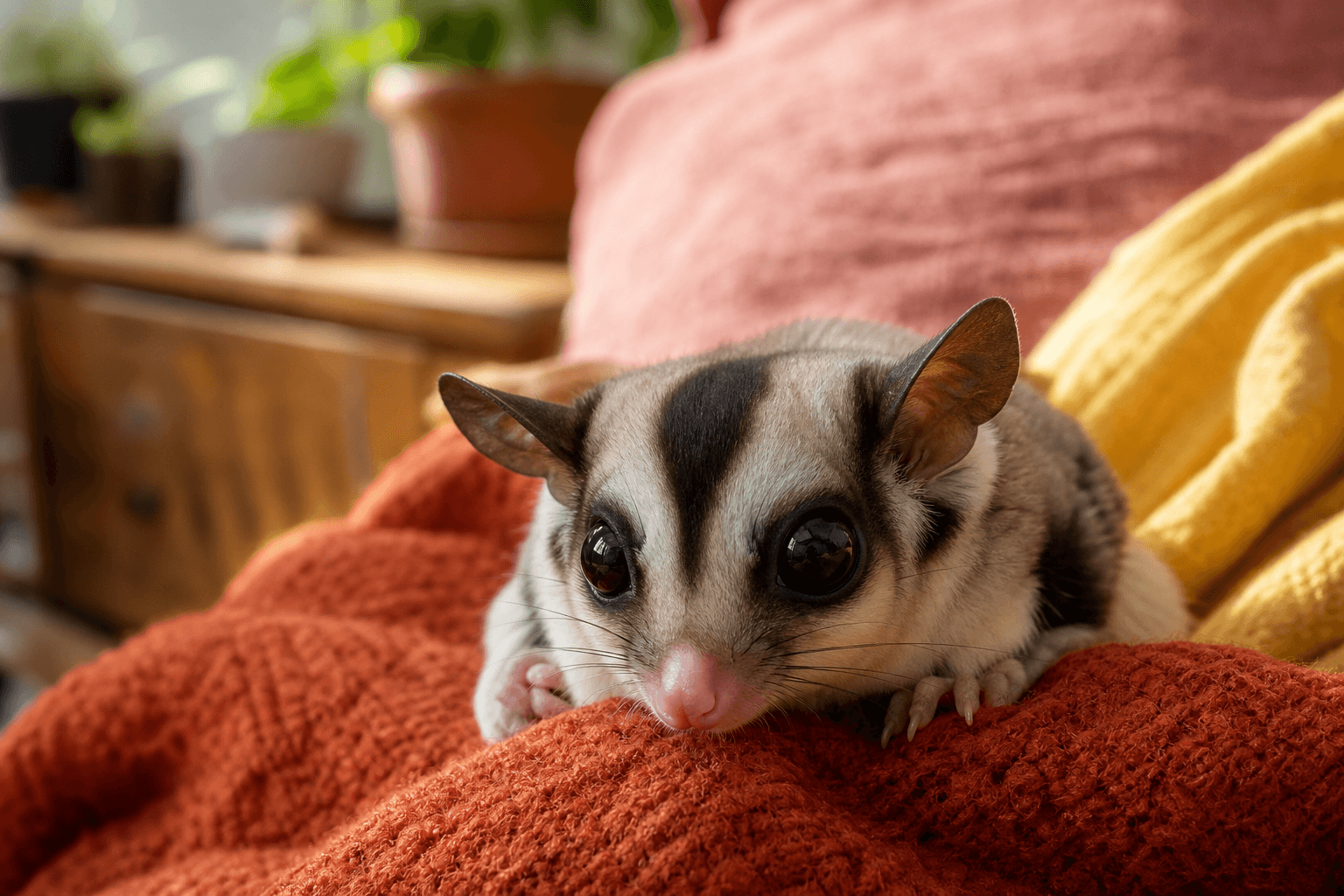
You fell for those big eyes and tiny hands. We get it — we did too.
Before you bring a sugar glider home, here are the practical truths that make life sweet instead of stressful.
These are the things we wish we knew on day one, from sleep schedules to bonding bites.
1. They Are Truly Nocturnal
Sugar gliders sleep through most of the day and come alive after dusk.
If you want a cuddle buddy at 2 p.m., you’ll be disappointed; if you’re a night owl, you’ll love their playtime between 8 p.m. and 2 a.m.
2. They Need a Same-Species Friend
Gliders are colony animals. Keeping one solo often leads to stress, overgrooming, and excessive vocalizing.
The happiest setups are pairs or small groups of compatible, same-sex or desexed gliders.
3. It’s a 10–15 Year Commitment
With proper care, sugar gliders commonly live a decade or more.
Plan for moves, life changes, and caretakers for vacations — this is not a short-term pet.
4. Diet Is Specialized, Not Just Fruit
They need a balanced, calcium-positive diet with appropriate protein and a controlled calcium-to-phosphorus ratio.
Most owners follow a vetted plan (e.g., a recognized nectar-replacement plus approved fresh produce and insects). Random fruit-only feeding leads to malnutrition and weak bones.
Core component
Use a proven staple nectar/complete glider diet as the base.
Protein
Offer insects like gut-loaded crickets or mealworms a few nights a week.
Produce
Rotate glider-safe veggies and limited fruit to balance Ca:P.
Supplements
Only as directed by the specific diet plan; avoid guesswork.
5. The Cage Needs Height and Enrichment
Think vertical. A tall enclosure with safe bar spacing and lots of branches, pouches, and climbing routes mimics their natural movement.
Include a sealed-bearing, solid-surface exercise wheel, foraging toys, and fleece sets for sleep.
Caring is more than setup — it’s daily connection and safety.
6. Bonding Takes Weeks, Not Days
At first, they may crab (that loud buzz-growl) or nip. It’s fear, not meanness.
Pouch carry during the day, hand-feeding treats at night, and calm, consistent handling builds trust. One day you realize they’re seeking you out.
- Carry in a bonding pouch 30–60 minutes a day at first
- Use fleece squares with your scent in sleeping pouches
- Force handling when they resist
7. There Is a Noticeable Odor
Males, especially intact, have scent glands and mark. Even females have a musky smell.
Spot-clean daily, wash fleece on rotation, and avoid over-cleaning everything at once or they’ll mark harder to re-scent their space.
8. You’ll Need an Exotic Vet
Not every clinic sees sugar gliders. Line up an experienced exotics vet before adoption.
Annual wellness exams, fecal checks, and prompt care for dental or limb injuries are part of responsible ownership.
9. Daily Out-of-Cage Time Is Non-Negotiable
Plan for supervised evening play — tent time, a glider-safe bathroom, or a dedicated play area.
They need to climb, glide, and forage to stay fit and mentally well.
10. Glider-Proofing Is a Thing
They can squeeze through tiny gaps and chew unsafe materials.
Cover drains, block under-door gaps, remove candles and essential oil diffusers, secure cords, and keep other pets out during play.
11. Expect Nighttime Sounds
Crabbing, chirps, and wheel running happen after dark.
If you’re a light sleeper, don’t place the cage in your bedroom.
12. Check Local Laws and Housing Rules
Some regions restrict sugar gliders or require permits, and some landlords prohibit exotics.
Verify before you fall in love and pay deposits.
13. The Real Costs Add Up
Beyond adoption, you’ll invest in a tall enclosure, safe wheel, pouches, vet visits, and ongoing diet ingredients.
Annual Cost Breakdown
| Expense | Annual Cost |
|---|---|
| Staple diet + produce + insects | $300–$500/yr |
| Vet care (annual + set-aside for emergencies) | $150–$600+/yr |
| Bedding/fleece and enrichment | $100–$250/yr |
| Electric/cleaning supplies/misc. | $50–$150/yr |
| Est. Annual Total | $600–$1,500+/yr (after initial setup) |
They are social colony animals. Most thrive in pairs or compatible groups; solo housing often leads to stress behaviors.
They are delicate, nocturnal, and can nip when scared. They suit patient, supervised older teens or adults more than young children.
A proven staple nectar or complete diet, balanced veggies and limited fruit, plus insect protein. Avoid random fruit-only feeding.
Not reliably. They may develop habits for certain corners, but expect cleanup and cage liners.
Aim for 45–90 minutes of supervised out-of-cage activity most evenings, plus bonding time.