13 Things to Know Before Getting a Pet Mouse
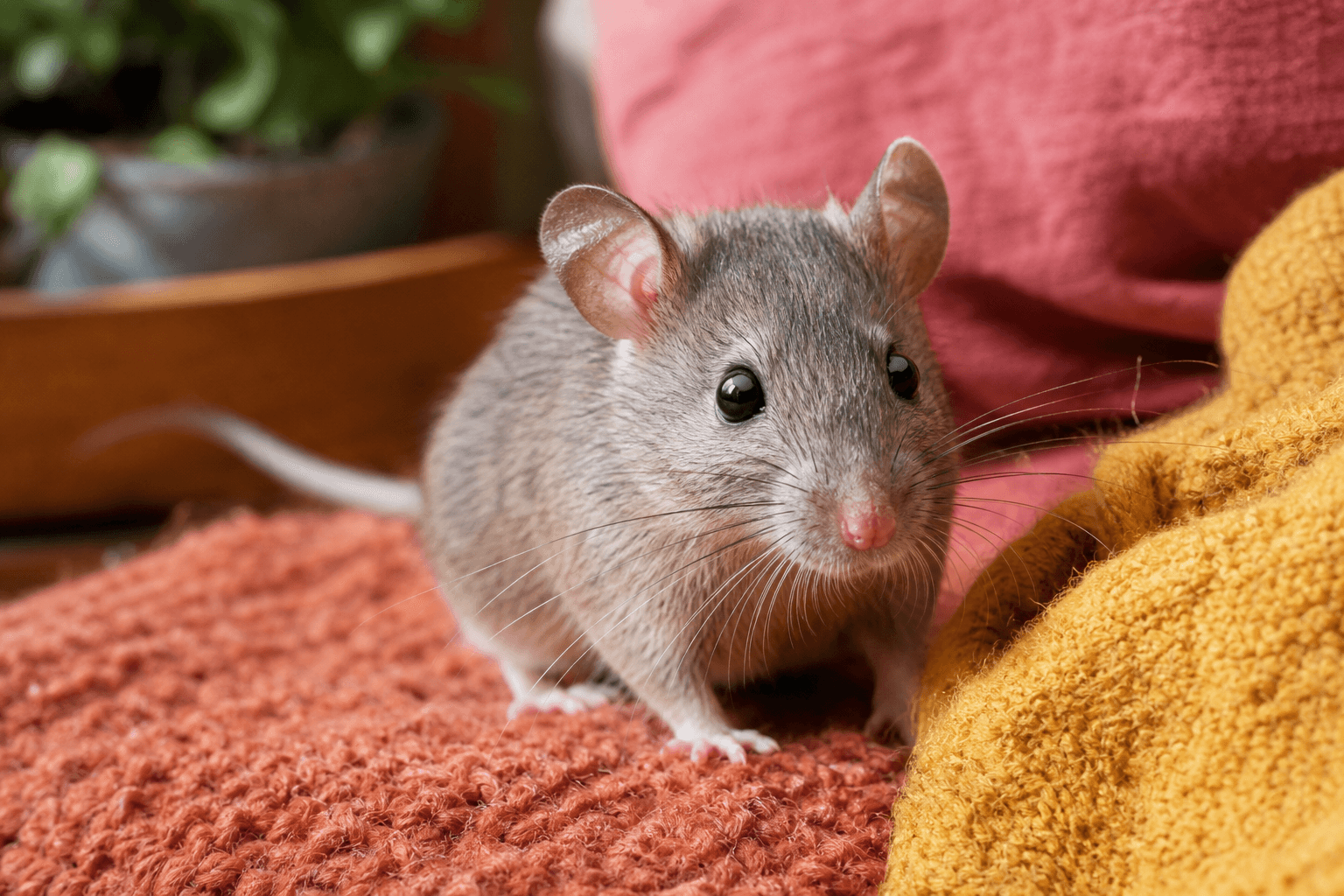
You want a tiny, curious companion that fits your life — and your shelf space.
Pet mice can be delightful, social, and surprisingly smart.
Here are the real-world things we wish we knew before bringing ours home.
1. Their Lifespan Is Short
Most pet mice live about 1.5 to 2 years, occasionally a bit longer with excellent care.
It’s a meaningful bond in a short window, so plan for gentle goodbyes and consider adopting in pairs to soften the eventual loss.
2. The Right Cage Matters More Than You Think
Bar spacing should be around 0.3 inches (8 mm) or less to prevent escapes; many hamster cages have gaps that are too wide.
Go for a footprint you can actually fill with enrichment — think at least 24 x 12 inches of usable space — and prioritize floor area over height.
Deep bedding (3 to 6 inches) lets them burrow, which reduces stress and chewing.
3. Mice Are Social — But Not All Together
Female mice usually thrive in small groups; males are best kept solo unless you adopt a known compatible pair, as adult males often fight.
Never mix sexes unless someone is neutered and you have a specific plan — they breed quickly.
4. Yes, There Is a Smell (and How to Manage It)
Unneutered males have a stronger musky odor; females smell milder.
Use paper-based bedding, spot-clean wet areas every couple of days, and avoid scented products that can irritate sensitive airways.
Odor helpers
Deep bedding, spot-cleaning, good ventilation, and plenty of absorbent hideouts.
Odor pitfalls
Small cages, wire floors, infrequent cleaning, or using pine/cedar shavings.
5. Seed Mixes Are Not a Complete Diet
Choose a lab block or pellet formulated for mice, then offer small amounts of fresh veg (like broccoli, bell pepper, leafy greens) and the occasional whole grain.
Avoid sugary treats, sticky foods, and anything toxic to rodents like chocolate, alcohol, or uncooked beans.
6. They Need Enrichment Every Day
Think like a mouse: tunnels, cardboard mazes, chew sticks, scatter-feeding, and a safe solid-surface wheel sized 7 to 8 inches to protect their backs.
Rotate toys weekly to keep curiosity high without buying new things constantly.
Set them up to succeed before you reach in to say hello
7. Handling Takes Patience (No Tail Grabs)
Never pick up a mouse by the tail — it can injure the skin and hurt them.
Start with hand-feeding, then guide them into a cup or your cupped hands; short, frequent sessions build trust.
8. They Are Nocturnal
Expect peak activity after dusk. Place the enclosure away from your bed if you’re a light sleeper.
Red or dim lighting lets you watch without disrupting their rhythm.
9. Tiny Pets Still Need Vet Care
Find an exotics-savvy veterinarian before you adopt — waiting until something goes wrong is stressful for everyone.
Watch for warning signs: weight loss, labored breathing, porphyrin staining around eyes/nose, hunched posture, or sudden lethargy.
Mice can develop respiratory and dental issues; early treatment matters and often costs less than emergencies.
Prey animals hide illness. Subtle changes in behavior or grooming can be the first clue.
10. Escape Artists by Design
Mice can flatten, squeeze, and chew through soft plastics.
Double-check bar spacing, latch doors, and use metal or ceramic for items they might gnaw.
- Bar spacing 0.3 inches or tighter
- All doors latch securely
- No soft plastic tunnels or lids
- Room mouse-proofed during playtime
11. Accidental Litters Happen Fast
Females can become pregnant within hours of giving birth, and litters are often 6 to 12 pups.
Buy from a source that sexed them correctly, recheck at home, and separate by sex promptly if uncertain.
12. Cleaning Routine Keeps Them Healthy
Spot-clean high-traffic corners every 2 to 3 days and do a partial bedding refresh weekly; a full clean less often preserves familiar scent and reduces stress.
Wash accessories with warm soapy water, rinse well, and dry completely before returning.
13. Budget for Setup More Than the Mouse
The mouse is the inexpensive part; the enclosure, wheel, hides, bedding, and vet fund are the real costs.
Annual Cost Breakdown
| Expense | Annual Cost |
|---|---|
| Initial setup (cage, wheel, hides) | $80–$180 |
| Bedding and food (annual) | $120–$220 |
| Toys/enrichment (annual) | $30–$80 |
| Vet fund (recommended set-aside) | $100–$200 |
| Est. Annual Total | $330–$680 first year (plus mouse) |