13 Things to Know Before Getting a Manx Cat
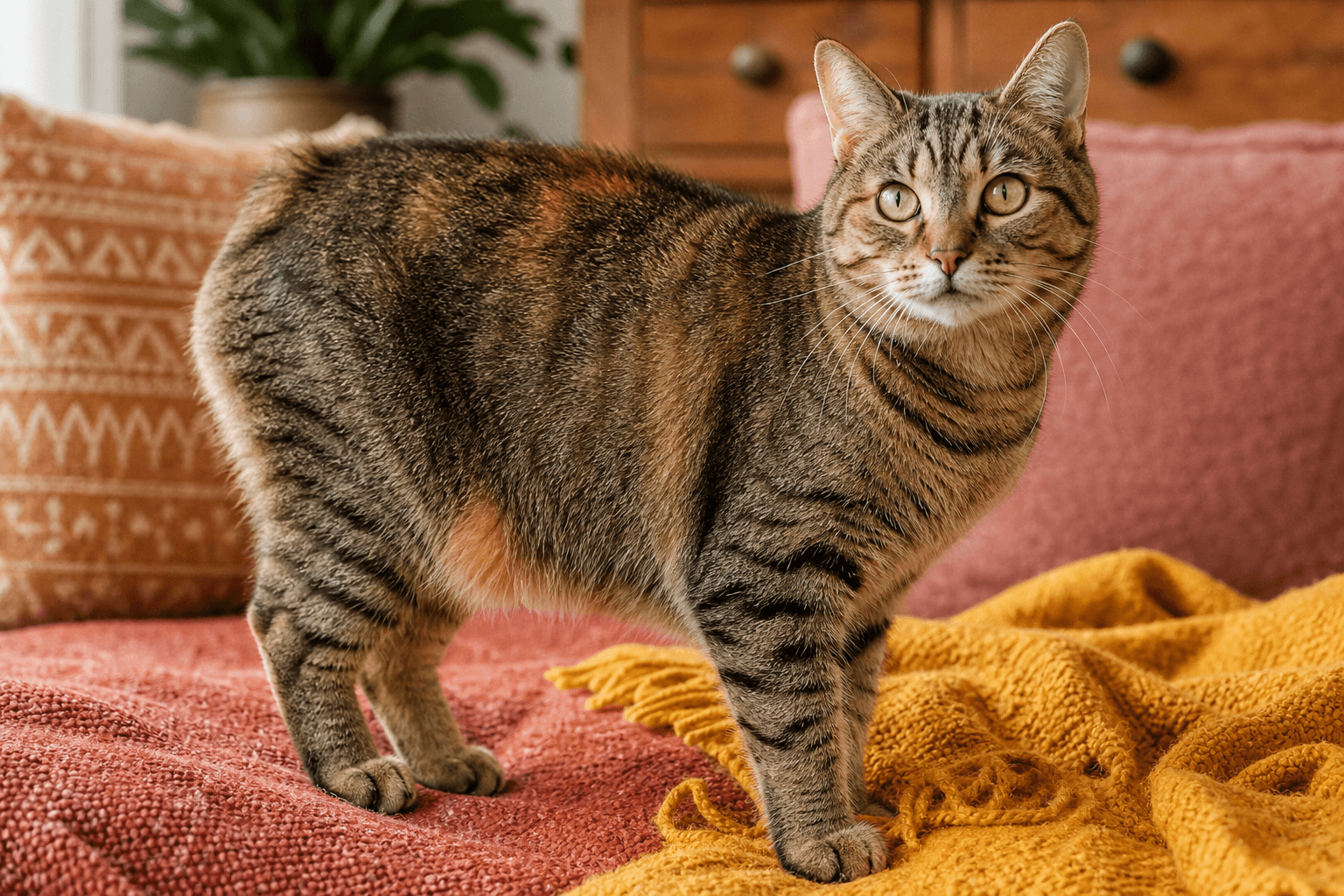
You clicked because that round, bunny-like cat stole your heart.
We get it — Manx cats are charming, athletic, and a little mysterious.
Here are the real-world things you should know so you can say yes with confidence (and no surprises later).
1. The Tailless Look Has Real Genetics Behind It
The Manx trait comes from a natural mutation affecting tail development, historically associated with the Isle of Man.
It’s dominant, which is why you see it in the breed, but two copies can be harmful; ethical breeders avoid those pairings.
2. Not Every Manx Is Completely Tailless
Manx come in a range: rumpy (no tail), riser/rumpy riser (a nub you can feel), stumpy (short tail), and longy (near full-length).
Personality doesn’t depend on tail length, but some owners prefer a stumpy or longy for a slightly lower risk of spinal complications.
3. The Spine Deserves Respect
Some Manx can develop what’s often called Manx syndrome: congenital spinal issues that may affect the nerves controlling the bladder, bowels, or hind limbs.
Red flags include repeated constipation, accidents, rear-leg weakness, or oddly kinked gait. If you see this, call your vet early.
4. You Need a Vet Who Knows Manx Quirks
Before you adopt, make sure your vet is comfortable assessing spinal alignment, tail base sensitivity, and neurologic reflexes.
Some Manx benefit from periodic X-rays or advanced imaging if signs arise; catching problems early can protect quality of life.
Now, let’s talk about what it’s like to live with one every day.
5. Temperament: Loyal, Dog-Like, and People-Oriented
Most Manx bond closely and follow you room to room. They often enjoy fetch and greet you at the door.
They’re typically gentle, with a playful streak that lasts well into adulthood.
Affection
Cuddly without being clingy; many like laps in the evening.
Vocalization
Usually moderate—chirps and trills more than yowls.
Stranger Friendliness
Often polite but reserved at first; warms with patience.
Kid Compatibility
Solid, especially with respectful handling.
6. They Are Powerful Jumpers
That round rump hides strong hindquarters.
Plan on vertical territory: a tall cat tree, window perches, and shelves. Without it, they’ll find their own (fridge, anyone?).
7. Grooming Is Easy—But Don’t Skip It
Shorthaired Manx need a weekly brush; longhaired (sometimes called Cymric) need a few times a week to prevent mats, especially pants and belly.
Check the tail base area—even with little or no tail—for cleanliness and skin comfort.
8. Litter Box Setup Matters
Choose a box with an easy step-in and plenty of room for turning, plus a low-dust litter.
If your cat has any hind-end sensitivity, a lower entry can make all the difference and prevent accidents.
- 1 box per cat plus one extra
- Low entry for any mobility concerns
- Covered boxes for odor control
- Daily scoop; full change every 2–4 weeks
9. Good With Families and Other Pets—With Introductions
Manx typically do well with respectful kids and cat-savvy dogs.
Use a slow, scent-first intro: swap bedding, then short visual sessions before free roam.
Healthy Manx compensate with strong hindquarters and learn routes; balance issues suggest a vet check.
Many are robust. The key is careful breeding and attentive care.
10. Indoors Is Safer for Manx
Because of their value and potential for spinal sensitivity, indoor life (with supervised outdoor time like a catio) is best.
Leash training works for many; start with a soft harness and short, positive sessions.
11. Choose Ethical Sources Carefully
If buying, look for transparent breeding practices, contracts, health guarantees, and willingness to discuss tail-length pairings.
Rescue is a great option too; shelters do see Manx and Manx mixes—ask about mobility and litter box history.
Screening questions to ask
- What tail-length pairings do you use and why?Listen for avoiding two tailless parents.
- What health checks are done?Neuro exam, fecal/parasites, baseline vet records.
- Return policy?Reputable sources always take cats back.
12. Budget for Upfront and Ongoing Costs
Expect adoption fees or breeder prices, plus essentials like a sturdy tree, litter boxes, and initial vet work.
Annual Cost Breakdown
| Expense | Annual Cost |
|---|---|
| Food and treats | $300–$600 |
| Litter and supplies | $200–$350 |
| Wellness vet care | $150–$300 |
| Insurance (optional) | $300–$600 |
| Grooming/tools | $30–$120 |
| Toys/enrichment | $50–$150 |
| Est. Annual Total | $1,030–$2,120 / year |
13. Is a Manx the Right Fit for You?
Choose a Manx if you want a companion who shadows your day, plays hard, and curls up at night.
Pass if you’re not up for vetting breeders carefully or if you prefer a very independent, low-interaction cat.