13 Things to Know Before Getting a Doberman Pinscher
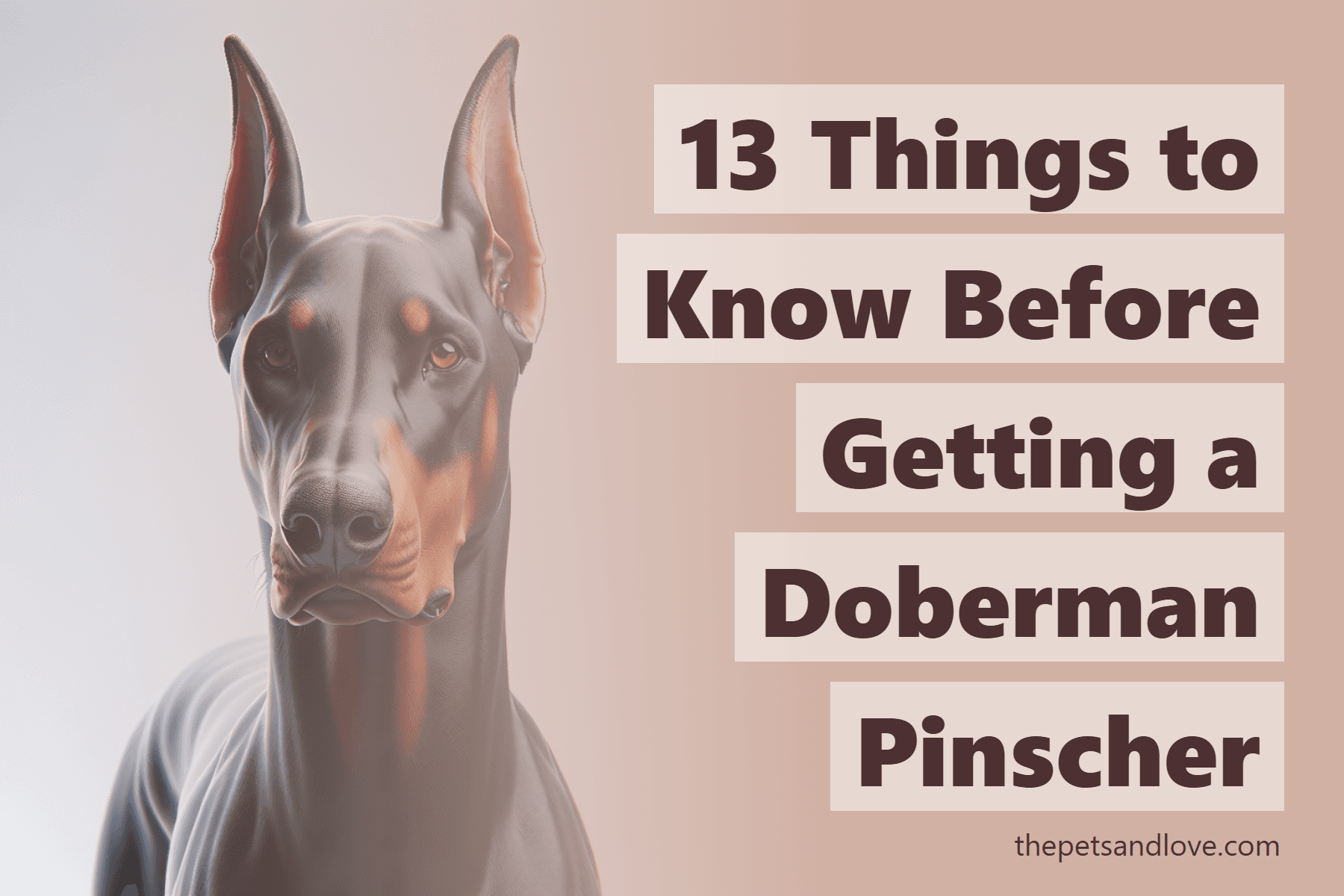
You've fallen for that sleek, muscular silhouette. The alert ears, the confident stance, the reputation for loyalty that borders on legendary.
Here's the truth: a Doberman Pinscher can be the most devoted companion you'll ever have — or the most overwhelming one.
The difference comes down to whether you know what you're signing up for before the puppy comes home.
So let's walk through the 13 things every future Doberman owner needs to know — the energy, the training, the softie side nobody warns you about, and the honest deal-breakers.
Up to 100 lbs
Fully grown, pure muscle
Daily
Serious exercise required
1. Dobermans Need to Move — A Lot
Let's start with the biggest reality check.
These dogs are high-drive athletes, not decorative housemates. They were bred to work, and that engine doesn't idle quietly.
If you can't commit to daily walks, runs, play sessions, and mental stimulation, a Doberman will find its own entertainment.
And a bored Doberman might redecorate your home… with teeth.
The Dobies I've seen thrive live in active homes that offer variety — fetch, agility, structured obedience, the works.
If you're more of a couch potato, be honest with yourself. This probably isn't your breed.
Okay, they're athletic. But are they easy to train?
2. Smart — but Not Always Easy
Dobermans are whip-smart. That's the good news.
The catch? Smart dogs make their own decisions. If you don't show leadership, they'll happily take charge — and not always in ways you'll enjoy.
They need confident, consistent training from day one. No exceptions.
When to call in a pro
If you're new to dogs, or you feel out of your depth, don't wait.
A trainer who understands working breeds can save you months of frustration and stop bad habits before they cement.
“A little help early on can save you from a lifetime of trying to un-teach the wrong lessons.”
Training is one thing. Socializing them is non-negotiable.
3. Socialization Is Non-Negotiable
Dobermans are naturally protective. It's part of their charm — they'll love your family fiercely.
But that same instinct can tip into wariness or reactivity around strangers and other animals if you skip socialization.
Here's the goal: a confident dog who can tell the difference between a real threat and the mailman.
- Expose them to new people early and often
- Introduce different places, sounds, and surfaces
- Arrange calm meetings with other vaccinated dogs
- Assume they'll "grow out of" fear on their own
- Wait until problems appear to start socializing
Start young. The window matters more than most first-time owners realize.
4. They're Built to Guard
Alert, loyal, brave — Dobermans make excellent watchdogs.
But that protective streak needs shaping, not encouraging. Proper training teaches them when it's okay to defend and when it's time to chill.
Done right, their guarding instinct becomes a quiet superpower, not a problem.
Now for the day-to-day upkeep — grooming and health.
5. Low Grooming, Some Shedding
Good news for the low-maintenance crowd: that sleek coat is easy.
But "easy" doesn't mean "shed-free." You'll still find fur tumbleweeds if you slack off.
- Weekly brushing keeps loose hair under control
- Nail trims to keep those paws healthy
- Dental care — brushing matters more than people think
- Ear cleaning to prevent buildup and infection
- Baths only as needed, not on a rigid schedule
6. Health Matters — Know the Risks
Like many purebreds, Dobermans come with a few known health concerns.
Dilated Cardiomyopathy (DCM)
A serious heart condition the breed is prone to. Regular cardiac checks matter.
Hip Dysplasia
A joint issue common in larger breeds. Avoid over-exercising puppies.
Von Willebrand's Disease
A bleeding disorder. Reputable breeders screen for it.
Weather Sensitivity
Their short coat offers little insulation — more on that next.
7. Not Built for Harsh Weather
That gorgeous short coat has a downside: it doesn't insulate.
Dobermans don't tolerate extreme heat or cold well, so leaving them outside for long stretches isn't fair to them.
In short: they're indoor dogs, plain and simple.
8. Separation Anxiety Is Common
This breed bonds hard. It's beautiful — until you leave for work.
Without enough company or stimulation, Dobies can spiral into anxiety and destruction.
If you work long hours, plan ahead
- Provide puzzle toysKeep their brain busy while you're out.
- Line up a dog walkerMidday movement breaks up the loneliness.
- Create a safe spaceA comfy crate or designated room reduces stress.
- Build independence graduallyPractice short absences before long ones.
9. They're Big Softies with Their Family
Here's the part the tough-guy reputation hides.
Despite the intimidating exterior, Dobermans are deeply affectionate and people-oriented. They'll follow you room to room, lean into your legs, and insist on being part of everything.
“Underneath all that muscle is a 90-pound dog who thinks it's a lapdog.”
Family members
DevotedLoyal, loving, and eager to please with the right upbringing.
Children
Good with trainingWell-socialized Dobies can be gentle, but supervise around small kids.
Strangers
WaryProtective by nature — socialization is what keeps it balanced.
Other pets
DependsEarly exposure is key; some may need slow, careful introductions.
10. Feed Them Right
A high-quality diet built for large, active breeds isn't optional.
Dobermans grow fast and need the right nutrients to support their joints, heart, and energy levels.
And always keep fresh water available — especially in warmer weather.
11. Apartments? Not Ideal
These dogs need room to stretch those long legs.
A fenced yard is the dream. But if you're in an apartment, know that you're signing up for extra work.
Pros
Works in an apartment if you…
- Commit to structured daily exercise
- Add plenty of mental enrichment
- Have a reliable walking routine
Cons
Struggles in an apartment when…
- You expect them to self-entertain
- Exercise is inconsistent or rushed
- There's no real outlet for their energy
12. They Can Be Barky
Dobermans are vocal, especially when bored or under-stimulated.
Training and routine cut down on nuisance barking — but be realistic. They're guard dogs at heart, and alerting you is in the job description.
13. They're Big and Strong
A full-grown Doberman can weigh up to 100 pounds of pure muscle.
That power has to be managed with training and respect. You can't let them pull on the leash or run wild.
Not just for your sake — for everyone's safety.
They're protective, not aggressive. With socialization and training, a Doberman is a calm, confident companion — the "vicious" stereotype is largely outdated.
Well-raised Dobermans are affectionate, loyal family dogs. The catch is the "well-raised" part — they demand time and consistency.
A yard helps, but Dobermans crave interaction and mental work far more than open space. A lonely dog in a big yard is still a lonely dog.
Frequently Asked Questions
They can be — but only for a committed first-timer who's ready to invest in training and exercise. If you want a low-effort dog, start with something easier. If you're willing to learn and put in the work (ideally with a trainer's help), a Doberman can be incredibly rewarding.
Not long, and never without a plan. This breed bonds hard and is prone to separation anxiety. A few hours with puzzle toys and a safe space is manageable, but full workdays alone can lead to stress and destruction. A dog walker or midday break helps enormously.
They're vocal, especially when bored or under-stimulated. They're alert guard dogs by nature, so some barking comes with the territory. Good exercise, routine, and training keep nuisance barking to a minimum.
With proper socialization and upbringing, yes — they're loyal and affectionate with their family. As with any large, powerful dog, supervise interactions with small children and teach kids how to respect the dog's space.
It depends heavily on early socialization. Some Dobermans live happily with other pets, especially when raised together. Others may need slow, careful introductions. Their protective instinct means you shouldn't rush it.
The relentless need for exercise, mental stimulation, and companionship. They're not a dog you can leave to their own devices. If your lifestyle can't match their energy and attachment, it becomes a real challenge for both of you.
Expect adolescent energy and boundary-testing through the first couple of years. Many mellow noticeably around age two to three — but "calm" for a Doberman still means a dog that needs daily activity.