13 Things to Know Before Getting a Devon Rex
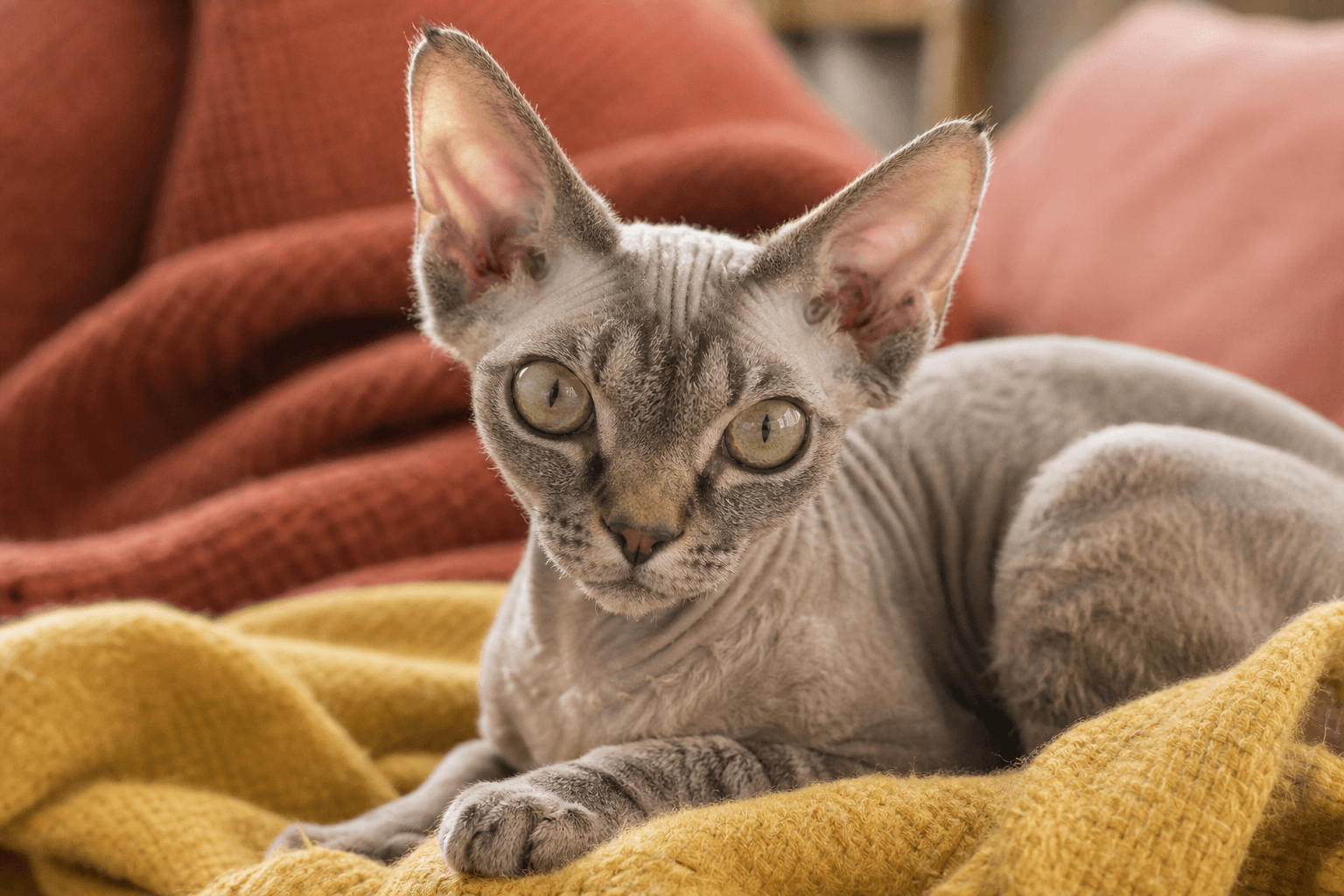
You clicked because you want the truth about Devon Rex cats, fast.
We live with these curly-coated sprites, and we can tell you exactly what delights and surprises are coming.
Here are the 13 things that actually matter before you bring one home.
1. They Are Velcro-Cat Social
If you want a cat who shadows you from room to room and sleeps under your chin, this is your cat.
Devons bond hard. They crave eye contact, laps, and being part of every task.
If you’re away long hours, plan on a second pet or dedicated enrichment so they don’t get lonely.
2. That Curly Coat Is Delicate
The waves come from a genetic mutation that makes hair fragile.
It can range from plush ripples to sparse suede. Rubbing too hard can break hairs and create bald patches.
Handle with soft brushes and gentle stroking — think velvet, not shag carpet.
3. Grooming Is Light but Specific
Most Devons shed less than average cats, but they still shed.
Use a soft grooming glove weekly, wipe with a damp microfiber, and clean the big ears every 1–2 weeks.
Ears
Wax builds up fast in those open, bat-like ears. Use vet-safe ear cleaner and cotton pads — never swabs deep in the canal.
Claws
Trim every 2–3 weeks. They climb and perch; short claws save your curtains and your skin.
4. Not Hypoallergenic (But Sometimes Easier)
No cat breed is truly hypoallergenic. Devons produce Fel d 1 like other cats.
Some allergy sufferers react less, possibly due to lower shedding and coat type, but it’s individual.
5. High Energy, High Play Drive
They’re spring-loaded athletes who will invent parkour if you don’t provide outlets.
Plan on daily wand toy sessions, fetch (yes, really), and vertical space.
Make their brains work, too
6. Clever Problem-Solvers
Devons learn doors, latches, and food puzzles fast.
Channel it with clicker training for sits, spins, and carrier calm. It keeps mischief from turning into mayhem.
Training rules that stick
- Keep it shortFive treats, five reps, and quit while they want more.
- Reward curiosityMark and treat for approaching the carrier, not just going in.
- Rotate puzzlesSwap toys weekly so novelty stays high.
7. Soft Voices, Big Opinions
They’re chatty without being loud — more chirps and trills than yowls.
Expect commentary at mealtimes and when you close the bathroom door.
8. They Run Cold
With light coats and lean bodies, Devons love warm laps, sun puddles, and heated beds.
They may burrow under blankets; provide safe warm spots and watch for space-heater risks.
9. Good Appetites, Lean Frames
They burn energy like little rockets, but they can still get pudgy if free-fed.
Use portioned, high-quality diets and food puzzles to pace them. Track body condition, not just weight.
- Can feel ribs with light pressure
- No waist from above
- Belly pad growing
- High-energy play daily
10. Breed Health Watchouts
Reputable lines screen for known issues. Ask for proof.
Patellar luxation
Loose kneecaps can cause skipping or lameness. Mild cases may be managed; severe ones need surgery.
Hypertrophic cardiomyopathy (HCM)
A heart disease found in many breeds. Breeders often perform periodic echocardiograms on breeding cats.
11. Apartment-Friendly, People-First
They thrive in small spaces as long as they have you, sun, and vertical territory.
Window perches, two tall trees, and daily engagement beat square footage.
12. Usually Great With Kids and Pets
Devons often seek company and will play gently when taught boundaries.
Slow introductions win: scent swapping, short supervised sessions, and plenty of escape routes.
They are sturdy, athletic cats. Teach kind handling and they make playful family companions.
Scratching is essential for claw health and stress relief. Provide multiple sturdy posts.
13. Finding a Responsible Breeder or Rescue
Expect a waitlist and questions about your home — that’s a good sign.
Written contract, health guarantee, vaccination/deworming record, microchip info, and proof of HCM screening in the line.
Typically 12–14 weeks, after socialization and initial vaccines. Earlier is a red flag.
Yes. Check breed-specific rescues and general shelters; adults rehome occasionally and are wonderful companions.
From reputable breeders in many regions, commonly mid-to-high four figures depending on lineage and location. Budget for supplies and vet care on top.