13 Things to Know Before Getting a Belgian Laekenois
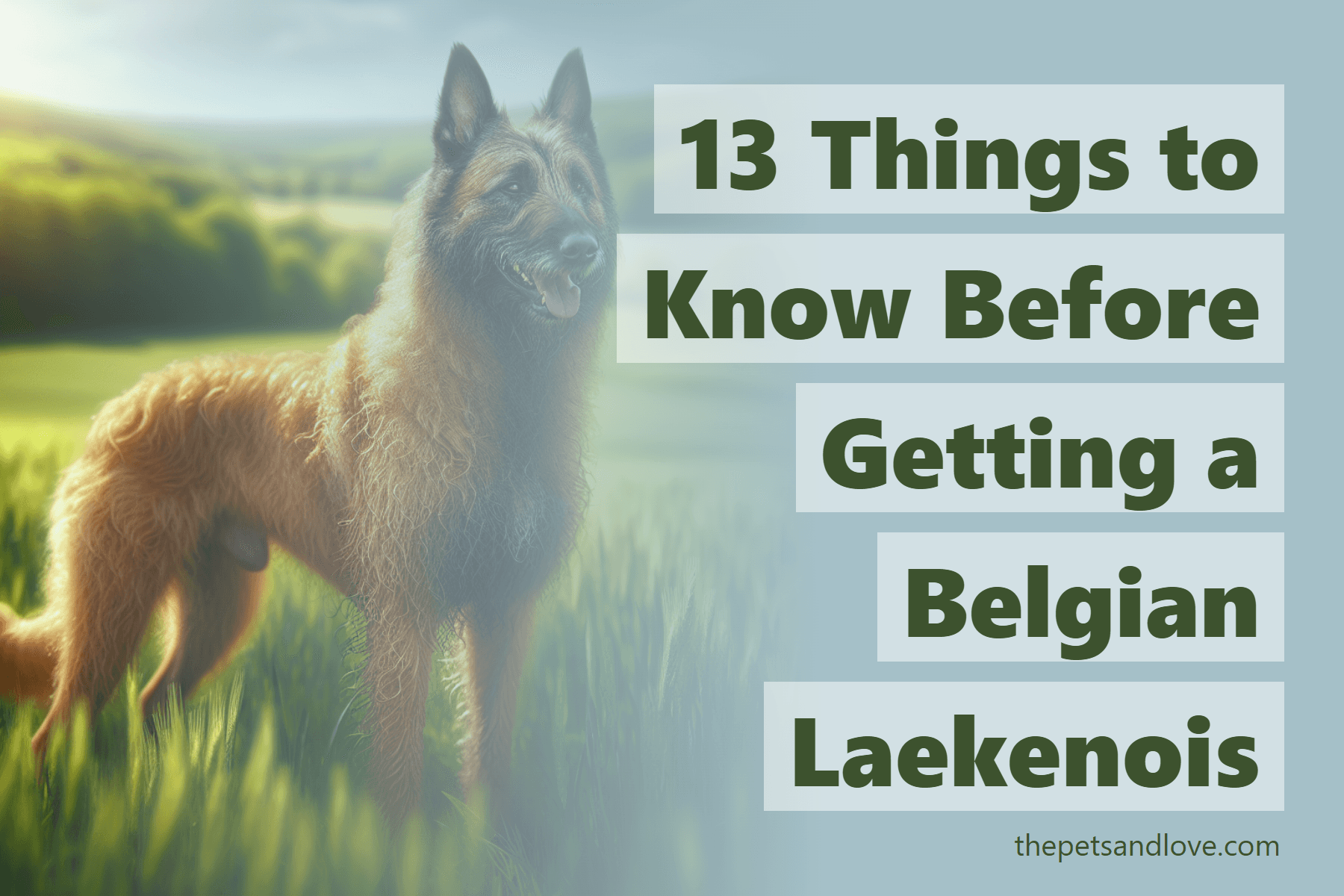
You've fallen for that shaggy, wiry face — the one that looks like a shepherd who wandered through a bramble bush and decided to keep the look. We get it.
The Belgian Laekenois is loyal, brilliant, and endlessly devoted. But here's the honest truth: they're also one of the most demanding companions you can bring home.
So before you commit, let's walk through the 13 things that actually matter — the rarity, the coat, the drive, the deal-breakers. By the end, you'll know exactly whether this dog fits your life.
~100
New puppies registered per year in Belgium
Breed registries
4th
Rarest of the four Belgian Shepherd breeds
1. They're Rare — And That's Not Just Trivia
The Laekenois is the rarest of the four Belgian Shepherd varieties. Even in their home country, only around **100 puppies** are registered each year.
Here's what that means for you: finding a reputable breeder takes time, patience, and often a spot on a waiting list.
But there's a payoff. You'll likely be the only person at the dog park with one — and you'll spend a lot of your time answering, "Wait, what kind of dog is that?"
2. That Coat Takes Real Work
The wiry, tousled coat is the Laekenois's signature. It's also a commitment.
You'll need to brush several times a week to keep mats from forming, plus tidy up around the eyes and ears. Professional grooming every few months keeps things in shape.
If regular grooming sounds like a chore you'll resent, be honest with yourself now — the coat isn't optional.
Grooming is the easy part. Their minds are the real challenge.
3. Smart as a Whip — And That Cuts Both Ways
Laekenois are exceptionally intelligent. They pick up commands fast and shine in obedience, agility, and tracking.
But that same brain gets bored quickly. And a bored Laekenois invents its own entertainment.
So what does this mean for you? You have to work their mind as hard as their body — puzzle toys, scent games, and training sessions aren't extras here. They're the difference between a partner and a problem.
4. Training Isn't Optional — It's the Whole Game
This breed needs consistent, confident training from day one. They're eager to please, but they'll test soft boundaries fast.
Early socialization matters most. Their protective streak can tip into over-guarding or reactivity toward strangers if you don't expose them widely and early.
The Laekenois training foundation
- Start socialization immediatelyNew people, dogs, sounds, and surfaces during puppyhood.
- Be consistent, not harshThey respond to calm confidence, not force.
- Set clear boundaries earlyWhat you allow as a puppy, you allow as a 55-pound adult.
- Keep sessions short and variedThis brain bores fast — mix it up daily.
5. Energy For Days
Don't underestimate this. A couple of walks around the block won't touch it.
These dogs were built to move — herding, hiking, running, working. They need real, sustained activity every single day.
1–2 hrs+
Of vigorous daily exercise a healthy adult needs
If you're not an active, outdoorsy person, a Laekenois will out-energy you by breakfast. This is a dog for someone whose weekend involves trails, not TV.
6 & 7. Incredible Watchdog, Wary of Strangers
Naturally alert and protective, the Laekenois will tell you the instant something's off. It makes them superb watchdogs.
The flip side: they're reserved with people they don't know and won't greet every visitor with a wagging tail.
“A well-socialized Laekenois is discerning, not aggressive — it watches first and warms up on its own terms.”
Early, positive exposure to strangers is what keeps that instinct healthy instead of hair-trigger.
So who is this dog actually right for?
8. Not Ideal for First-Time Owners
Between the energy, intelligence, and guarding drive, the Laekenois really wants an experienced hand.
It's not impossible for a beginner — but you'd need confidence, patience, and a serious training plan from the start.
Quick poll
Be honest — how much daily time could you give a working dog?
9. Families With Small Kids? Think Twice
They aren't aggressive by nature. But high energy plus a protective streak makes toddler households tricky.
A hard-charging Laekenois can knock over a small child mid-play, or react strongly to unfamiliar kids in the home.
Toddlers
CautionSupervise every interaction — size and energy are a mismatch.
Older kids
Good fitActive older children who respect boundaries can be great matches.
Experienced owners
ExcellentThis is the breed’s ideal home.
Busy, away-all-day homes
Poor fitProne to anxiety when left alone too long.
10. They Live to Have a Job
This is a working dog to its core. Agility, herding, advanced obedience, long hikes — they need a purpose.
Looking for a couch companion? This isn't your breed. Want a partner for every adventure? They'll be thrilled to sign up.
Pros
You'll love the Laekenois if you...
- Live an active, outdoor lifestyle
- Enjoy training and dog sports
- Have experience with driven breeds
- Want a fiercely loyal companion
Cons
You'll struggle if you...
- Work long hours away from home
- Prefer a low-maintenance, calm dog
- Have very young children
- Aren’t up for daily grooming and exercise
11 & 12. Health and Nutrition
Like many medium-to-large breeds, the Laekenois carries some health risks worth knowing before you commit.
- Hip dysplasia
- Progressive retinal atrophy
- Epilepsy
- Allergies
- Bloat
- Thyroid issues
Here's the single best defense: work with a breeder who does proper health testing on the parents, and stay consistent with vet checkups.
On the food front, feed a high-quality diet that matches their calorie burn. These dogs run hot and need balanced nutrition to support coat, joints, and stamina.
13. They Struggle With Alone Time
Laekenois bond hard with their people. Being left alone for long stretches wears on them.
Separation anxiety is common, especially without training to build independence early.
- Build alone-time tolerance gradually from puppyhood
- Leave enrichment toys when you go out
- Consider a dog walker or daycare for long days
- Leave them home alone 8+ hours daily with nothing to do
If you travel often or work long hours, this fit only works with serious planning in place.
Quick answers to the questions new owners always ask.
Frequently Asked Questions
Generally, no. Their energy, intelligence, and guarding drive make them best suited to experienced handlers. A committed beginner can succeed, but only with a strong training plan and realistic expectations.
Not long. A few hours at most for an adult, and even less for a puppy. They’re prone to separation anxiety, so long solo days need a dog walker, daycare, or a different plan.
They’re alert and vocal watchdogs, so they’ll bark to announce anything unusual. Good training and enrichment keep it from becoming excessive nuisance barking.
They can be great with respectful older kids, but their size and energy make toddlers a risk. Always supervise, and never leave young children unattended with the dog.
With early socialization, many do fine — but their herding instinct can kick in around fast-moving pets. Introduce slowly and supervise until you know the dynamic.
Keeping up with their mental and physical needs. They need daily hard exercise plus mental work, or the boredom turns destructive fast.
Expect high energy through adolescence, roughly until 2 to 3 years old. Even then, "calm" is relative — this is a working breed that stays active well into adulthood.